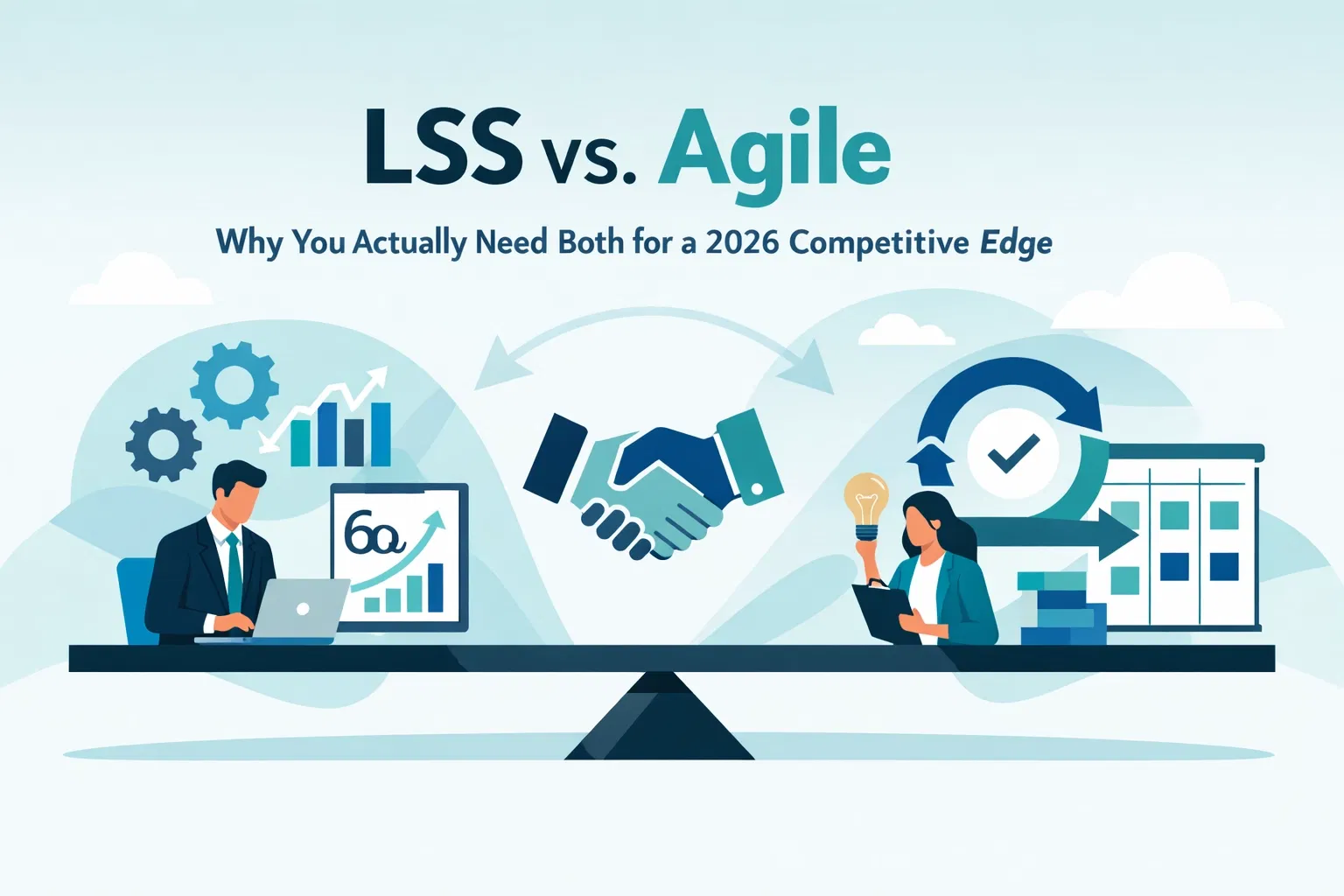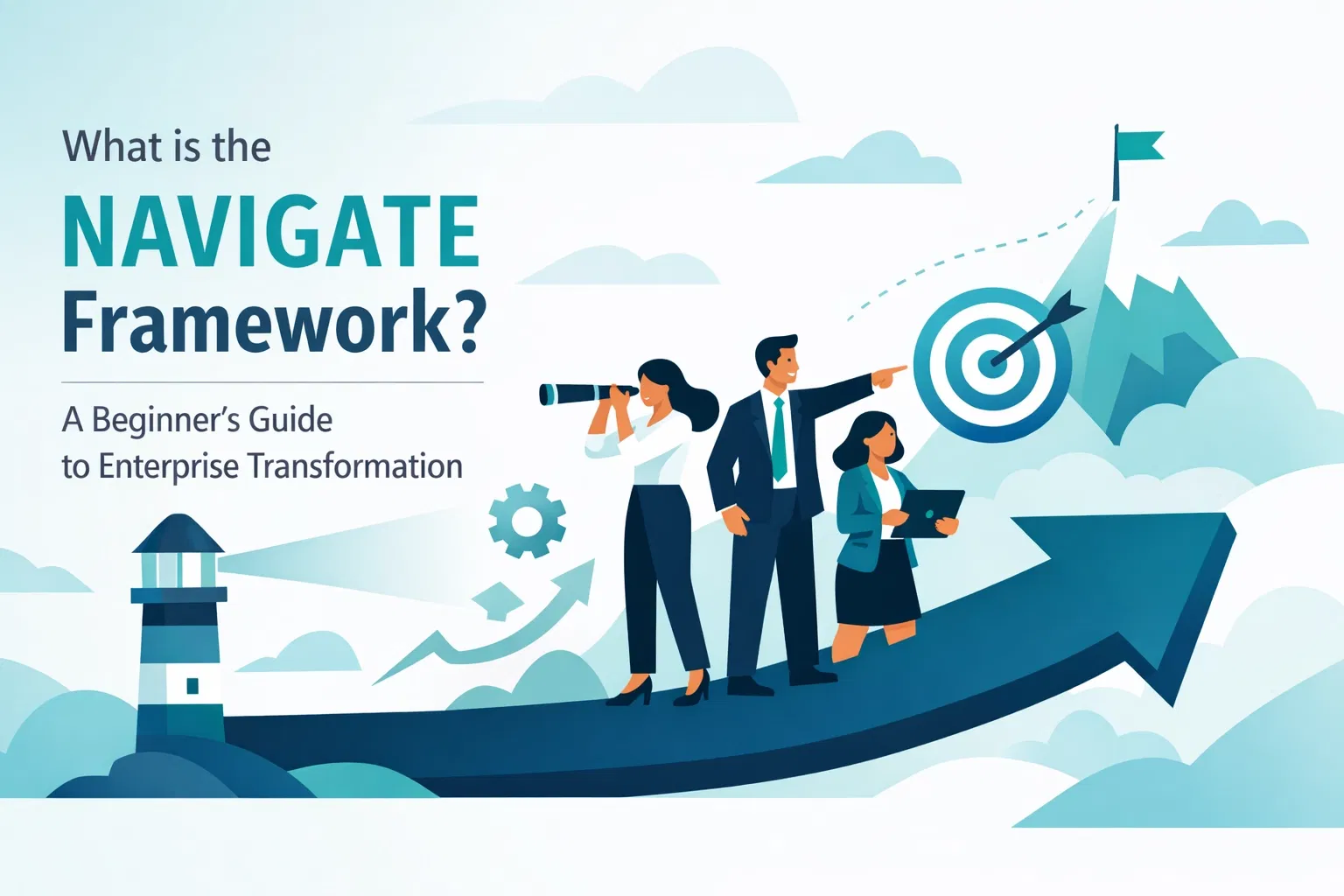
In the realm of modern business, organizations often find themselves "tool-rich but results-poor." Many enterprises have invested heavily in Lean, Six Sigma, Agile, and Change Management protocols, yet they continue to struggle with fragmented initiatives that fail to deliver cohesive, long-term value. This phenomenon, often referred to as "methodological silos," occurs when specialized teams operate in isolation, applying specific tools to localized problems without a unifying architectural vision.
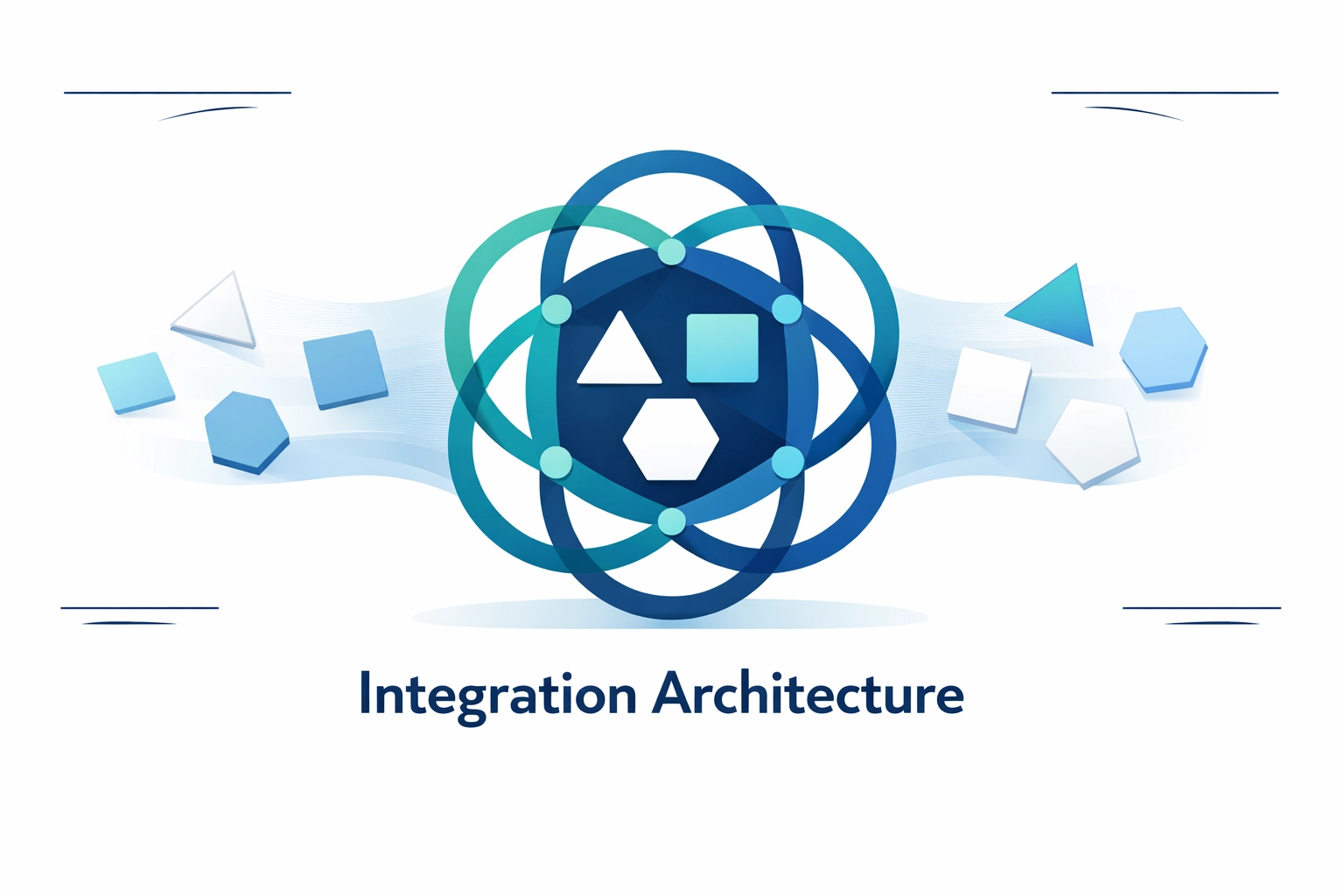
To address this systemic inefficiency, the NAVIGATE Framework was developed. It serves as the Integration Architecture for Enterprise Transformation, acting as the connective tissue that orchestrates disparate methodologies into a single, high-performing system. By bridging the gap between high-level executive strategy and ground-level operational reality, NAVIGATE ensures that transformation is not merely a series of projects, but a fundamental shift in organizational capability.
The Fundamental Purpose of Integration Architecture
The fundamental purpose of an integration architecture like NAVIGATE is to move beyond the "toolbox" mentality. Traditional Lean Six Sigma practitioners often focus on specific tool application: such as FMEA scoring or establishing baseline metrics. While these technical skills are vital, they frequently lack the strategic alignment necessary to move the needle on enterprise-wide performance.
NAVIGATE provides a structured, eight-phase journey that front-loads strategic clarity and governance design. It recognizes that for a transformation to be successful, it must integrate four critical dimensions:
- Strategy: Aligning the transformation with the organization's ultimate goals.
- Structure: Designing the governance and frameworks to support change.
- Execution: Applying technical rigor through Lean and Six Sigma tools.
- Behavior: Cultivating the cultural mindsets required to make changes permanent.
The 8 Phases of NAVIGATE: A Technical Breakdown
The NAVIGATE Framework unfolds through eight interconnected phases. Each phase is designed to address a specific risk factor in the transformation lifecycle, from initial recognition to long-term evolution.
1. Need the Shift
Transformation must begin with an objective validation of the need for change. In this phase, leaders use the Need Signal Grid™ to recognize and categorize triggers: whether they are external market shifts, internal operational failures, or evolving customer requirements. Without this phase, organizations risk launching "vanity projects" that do not address the core business needs.
2. Assess the Terrain
Before a single process is mapped, the organization must examine its internal landscape. This involves a comprehensive diagnostic of current capabilities, resource availability, and organizational readiness. It is during this phase that practitioners identify potential roadblocks and high-impact opportunities for intervention.
3. Shape the Design
This is the architectural heart of the framework. Rather than jumping into a pilot project, the organization develops a transformation architecture. This includes defining the governance model, selecting the appropriate mix of methodologies (e.g., when to use Agile vs. Six Sigma), and ensuring that the project selection is grounded in data-driven metrics.
4. Anchor Culture
One of the most common reasons transformation fails is the neglect of the "human element." To fully appreciate the complexity of change, one must recognize that behaviors drive outcomes. In this phase, the framework focuses on building a culture where improvements stick, embedding new mindsets and behaviors directly into the workflow to prevent a regression to the status quo.
5. Execute with Precision
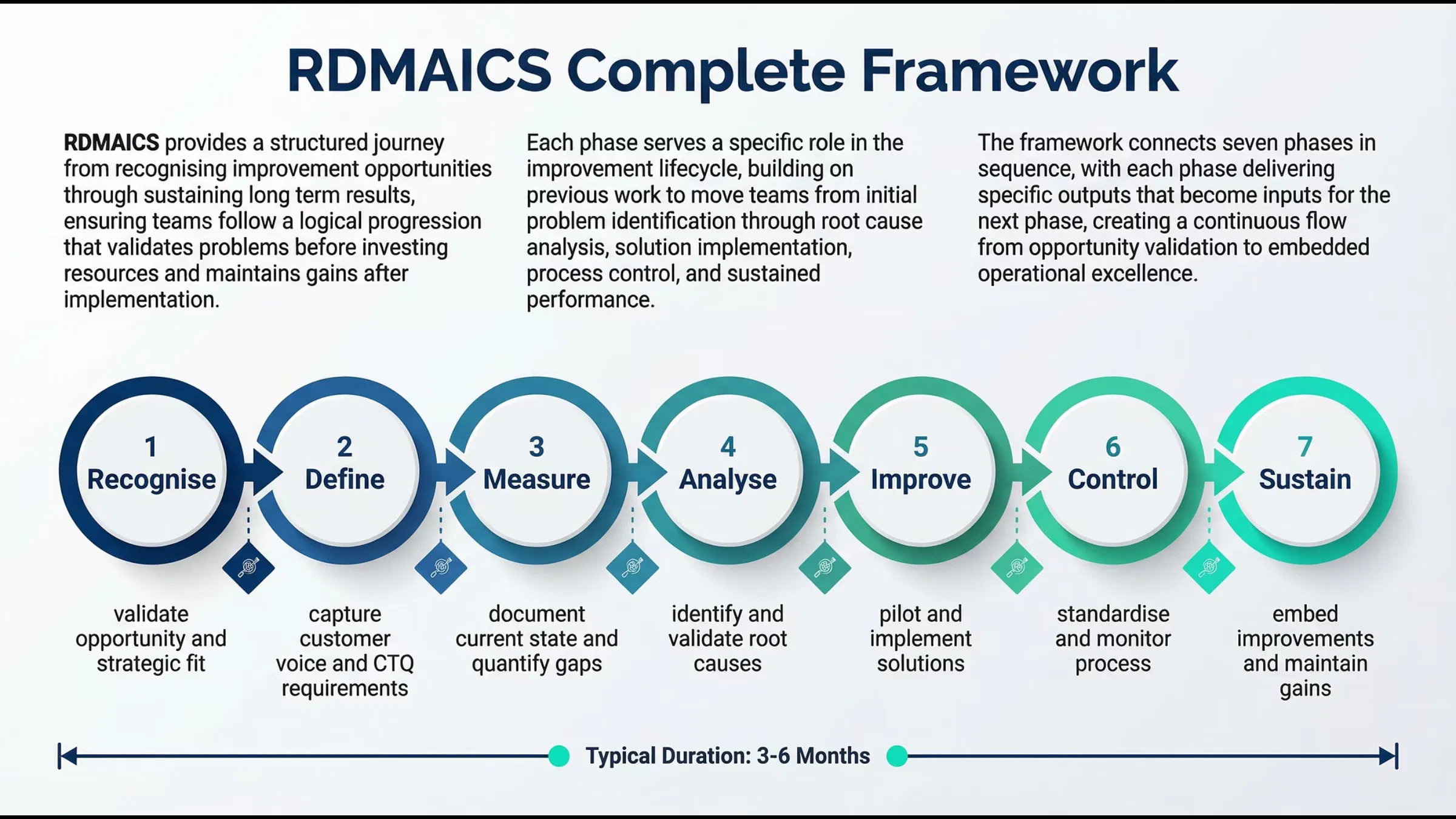
With the foundation laid, the organization moves into the execution phase. This is where the technical rigor of the RDMAICS framework and other Lean Six Sigma tools are applied. Projects are executed systematically, focusing on removing waste and reducing variation with surgical precision.
6. Scale & Embed
A successful pilot is only a proof of concept. To achieve enterprise transformation, the solutions must be expanded across departments and functions. This phase addresses the key considerations for scaling solutions from a controlled environment to the full complexity of the enterprise.
7. Sustain & Integrate
Sustainability is often the Achilles' heel of operational excellence. The NAVIGATE framework institutionalizes changes through robust control plans and documentation. This involves properly documenting process changes and ensuring that the new way of working becomes "business as usual."
8. Evolve Continuously
The final phase utilizes the Transformation Renewal Loop™. Transformation is not a destination but a continuous cycle. Organizations must use 90-day feedback cycles and process audits to verify that the transformation remains relevant as the business environment evolves.
Bridging the Strategy-to-Reality Gap
To understand why NAVIGATE is essential, one must look at the "Execution Gap." Research consistently shows that while 90% of organizations have a clear strategy, only a fraction successfully implement it. This gap exists because strategy is often disconnected from the daily actions of the workforce.
NAVIGATE bridges this gap by providing a directional structure with operational agility. It allows senior leadership to maintain strategic oversight while giving operational teams the flexibility to adapt their tactics based on real-time data. By integrating Lean Six Sigma intelligence with systems thinking, the framework ensures that every project: whether it’s a localized Kaizen event or a massive digital overhaul: contributes to the overarching enterprise goals.
Why Organizations Must Move Toward Architectural Thinking
The complexity of the modern business environment demands more than short-lived programs or ad-hoc solutions. Organizations that rely solely on "collecting belts" or running isolated workshops will inevitably face the fatigue of "program-of-the-month" syndrome.
By adopting an architectural approach like NAVIGATE, organizations benefit from:
- Unified Governance: A single source of truth for all transformation activities.
- Reduced Friction: Elimination of competing priorities between Lean, Agile, and traditional management teams.
- Increased ROI: By focusing on the "Need the Shift" phase, organizations ensure that resources are only allocated to projects with high strategic value.
- Enhanced Resilience: The "Evolve Continuously" phase builds the organizational capacity to adapt to future disruptions.
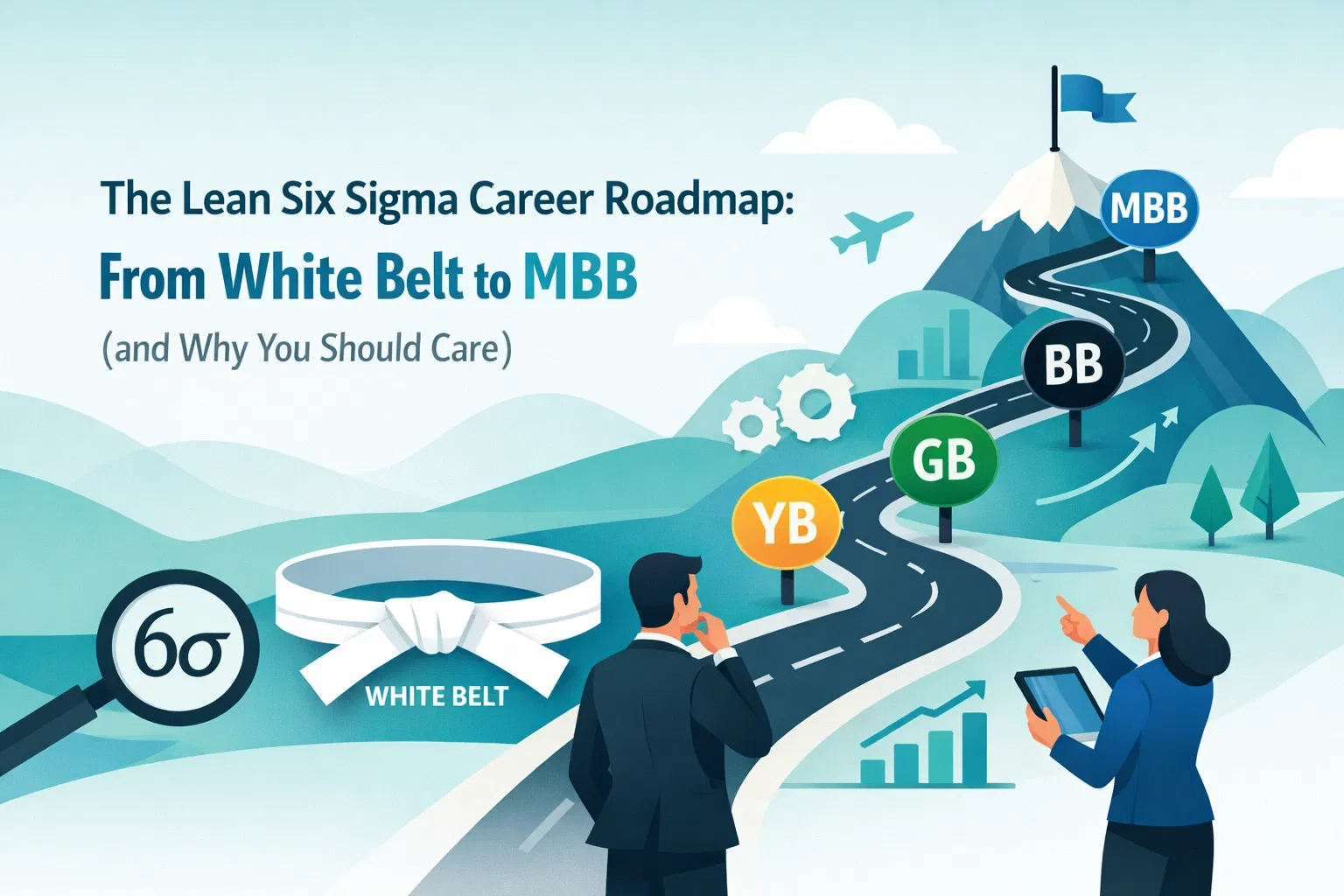
The role of a Lean 6 Sigma Master Black Belt is evolving from a technical expert to an enterprise architect. To be successful in this new landscape, leaders must be able to shape company strategy and train others to operate within an integrated system.
Conclusion: Taking the First Step Toward Integration
The NAVIGATE Framework represents the next evolution in operational excellence. It moves the conversation from "Which tool should we use?" to "How do we build a system that perpetually improves itself?" For professionals looking to lead at the highest levels of their organizations, mastering the art of integration architecture is no longer optional: it is a prerequisite for success.
Whether you are a seasoned Black Belt or an executive leader just beginning your journey, the path to enterprise-wide transformation requires a map that accounts for both technical precision and human behavior. NAVIGATE is that map.
If you are ready to elevate your career and transition from a project leader to a transformation architect, we invite you to explore our advanced certification programs. Take the next step in your professional development and lead your organization toward a future of integrated excellence.
Enroll in the Lean 6 Sigma Hub Master Black Belt Program Today