This week, we’re launching a multi-part A3 problem-solving series on the Lean 6 Sigma Hub blog. You’ll get a worked A3 explained box by box, a free copy-and-use template, practical numbers, and coaching questions to help you test your thinking at each stage. The goal...
Why safety inspections are a flow problem A heavy vehicle’s safety inspection is more than a sequence of workshop tasks. It is a flow from booking and check-in to a verified, compliant vehicle being released for service. Delays between inspection, defect approval and...
Clinical trial recruitment is often treated as a sequence of separate tasks: activate the site, approve campaign materials, find potential participants, screen, and randomise. In practice, it is one connected flow. Information (site readiness, approved materials,...
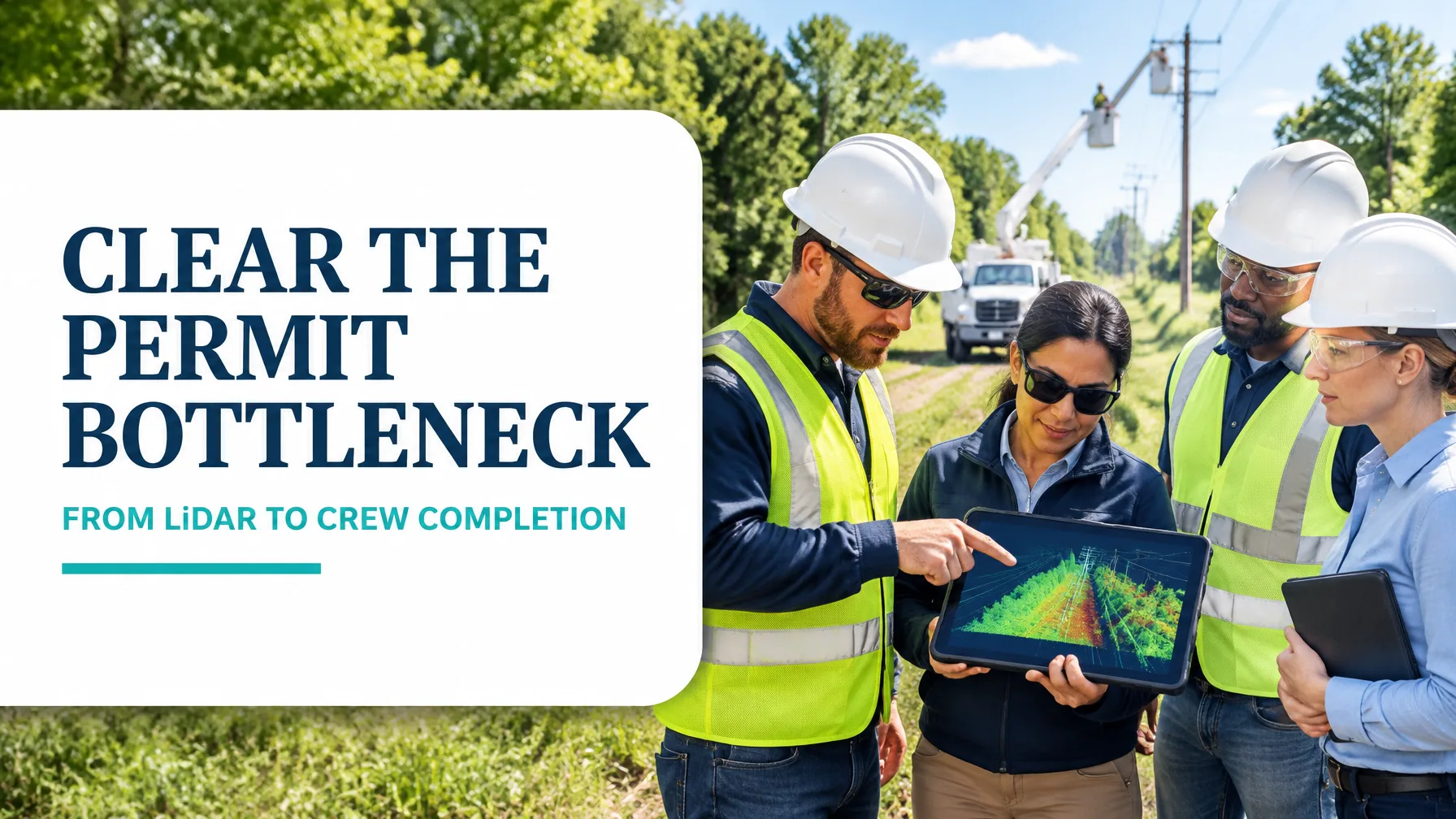
Vegetation work is often described in kilometres trimmed, spans inspected or work orders closed. Yet a utility can have capable crews and reliable LiDAR data and still miss its outage-prevention targets. The reason is frequently the flow between them: inspection...
An electric bus can be fully charged and still not be ready for service. It may be waiting for a cleaning bay, a manual state-of-charge check, a release decision or an available path out of the depot. That is why depot performance is a flow problem, not simply a...