In the realm of modern healthcare, the margin for error is non-existent, yet the environment is often characterized by systemic complexity and administrative "chaos." From overcrowded emergency rooms to escalating operational costs, the challenges facing clinicians and administrators are immense. Consequently, a growing number of industry leaders are turning to a proven methodology to restore order: Lean Six Sigma (LSS).
The fundamental purpose of lean six sigma training in a clinical context is to harmonize patient-centric care with rigorous operational efficiency. To fully appreciate why this movement is gaining such momentum, one must look beyond the charts and data to the tangible impact these methodologies have on human lives and organizational sustainability.
The Contemporary Healthcare Landscape: A Case for Change
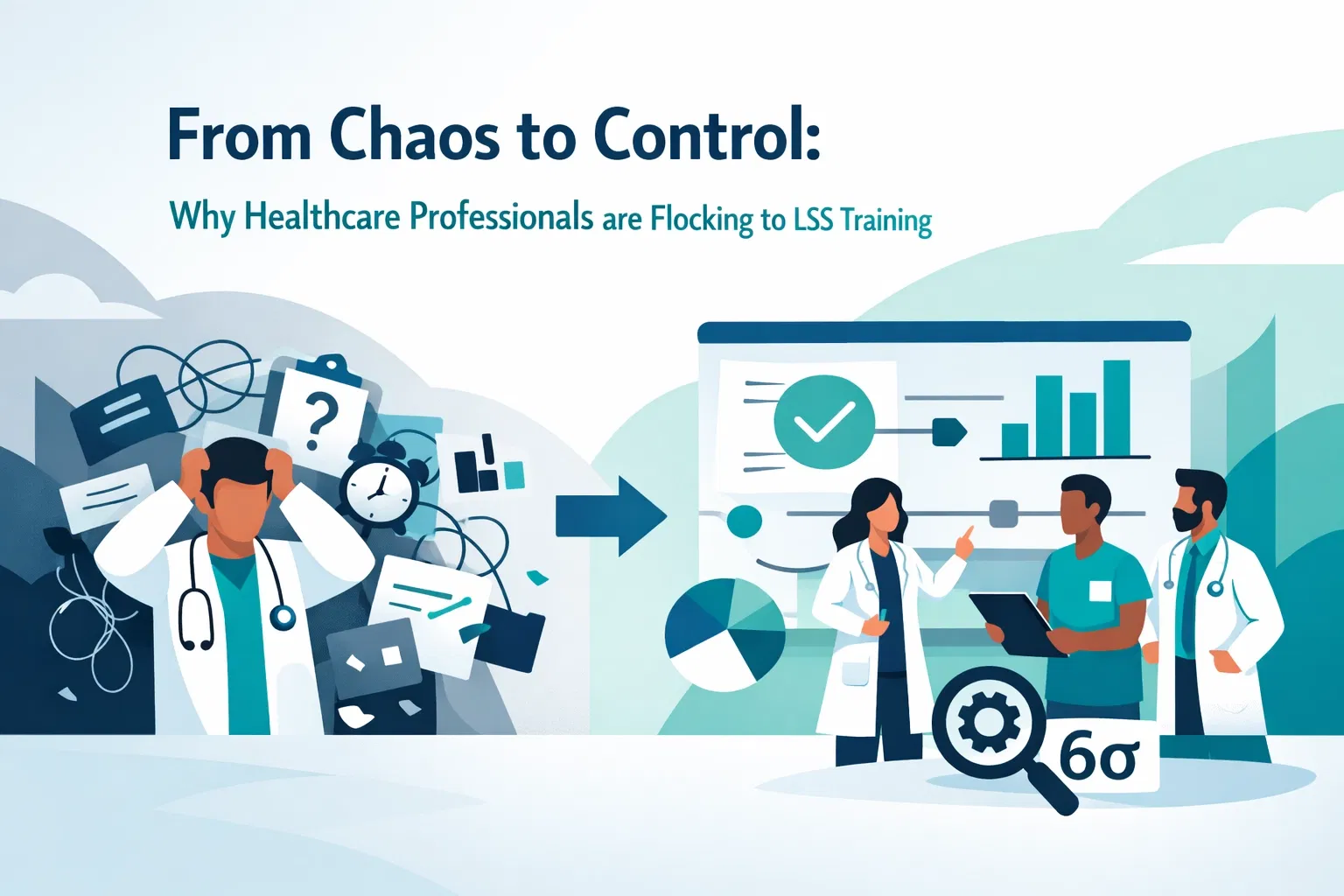
Healthcare systems globally are currently navigating a "perfect storm" of rising patient acuity, staffing shortages, and tightening budgets. In this high-stakes environment, traditional management styles often fall short. The result is "muda": the Japanese term for waste: which manifests as long wait times, redundant paperwork, and, most critically, preventable medical errors.
For healthcare professionals, the transition from "chaos to control" involves shifting the culture from reactive firefighting to proactive process management. This is where lean six sigma certification becomes a career-defining asset. It provides the analytical framework necessary to dissect complex workflows and rebuild them with precision.
Enhancing Patient Safety Through Quality Frameworks
The most compelling argument for Lean Six Sigma in healthcare is its direct correlation to patient safety. Medical errors remain one of the leading causes of preventable harm. By utilizing technical tools such as Root Cause Analysis (RCA) and Failure Mode and Effects Analysis (FMEA), healthcare teams can identify where a process is likely to fail before it actually does.
- Error Reduction: LSS methodologies aim for a "Six Sigma" level of quality, which statistically translates to only 3.4 defects per million opportunities. In a hospital setting, this could mean the difference between a successful surgery and a catastrophic medication error.
- Standardization: Developing standardized protocols ensures that every patient receives the same high level of care, regardless of which shift is on duty.
- Data-Driven Decisions: Rather than relying on anecdotal evidence, LSS practitioners use a data collection plan to pinpoint exactly where deviations occur.
Streamlining Operational Flow and Reducing Wait Times
In the eyes of a patient, the quality of care is often measured by the time spent waiting: waiting for a bed, waiting for test results, or waiting for discharge. These bottlenecks are not just inconveniences; they represent systemic inefficiencies that drain resources.
By applying Lean principles, hospitals can map the patient journey using a SIPOC complexity score calculator to visualize the entire process from admission to discharge. This allows administrators to identify non-value-added steps and eliminate them.
Typical outcomes of operational streamlining include:
- Reduced Emergency Department (ED) Boarding: Minimizing the time patients spend in hallways awaiting an inpatient bed.
- Optimized Operating Room (OR) Turnover: Increasing the number of procedures performed daily without compromising safety.
- Faster Lab Results: Streamlining the handoff points between clinical staff and diagnostic departments.
To understand the specific needs of the patient (the "Customer"), professionals often use a Critical to Quality (CTQ) Tree to translate vague desires like "fast care" into measurable metrics like "triage within 10 minutes."
Financial Stewardship and Waste Elimination
While the primary focus is always the patient, the financial health of the institution cannot be ignored. Healthcare costs are ballooning, and many organizations struggle to remain solvent. Lean Six Sigma provides a structured way to identify cost-saving opportunities without slashing essential services.
The implementation of LSS projects often leads to significant financial returns. By reducing the waste of motion (nurses walking long distances for supplies) or the waste of over-processing (unnecessary tests), hospitals can redirect funds toward advanced technology and staff retention. Professionals can utilize a Project Charter ROI Calculator to forecast the financial impact of their improvement initiatives before they even begin.
The Path to Leadership: Why Certification Matters
For nurses, doctors, and hospital managers, lean six sigma training is more than just a resume builder; it is a gateway to leadership. Organizations are actively seeking "Change Agents" who can lead cross-functional teams and drive measurable results.
- Yellow Belts: Often frontline staff who participate in improvement projects and understand the basic language of Lean.
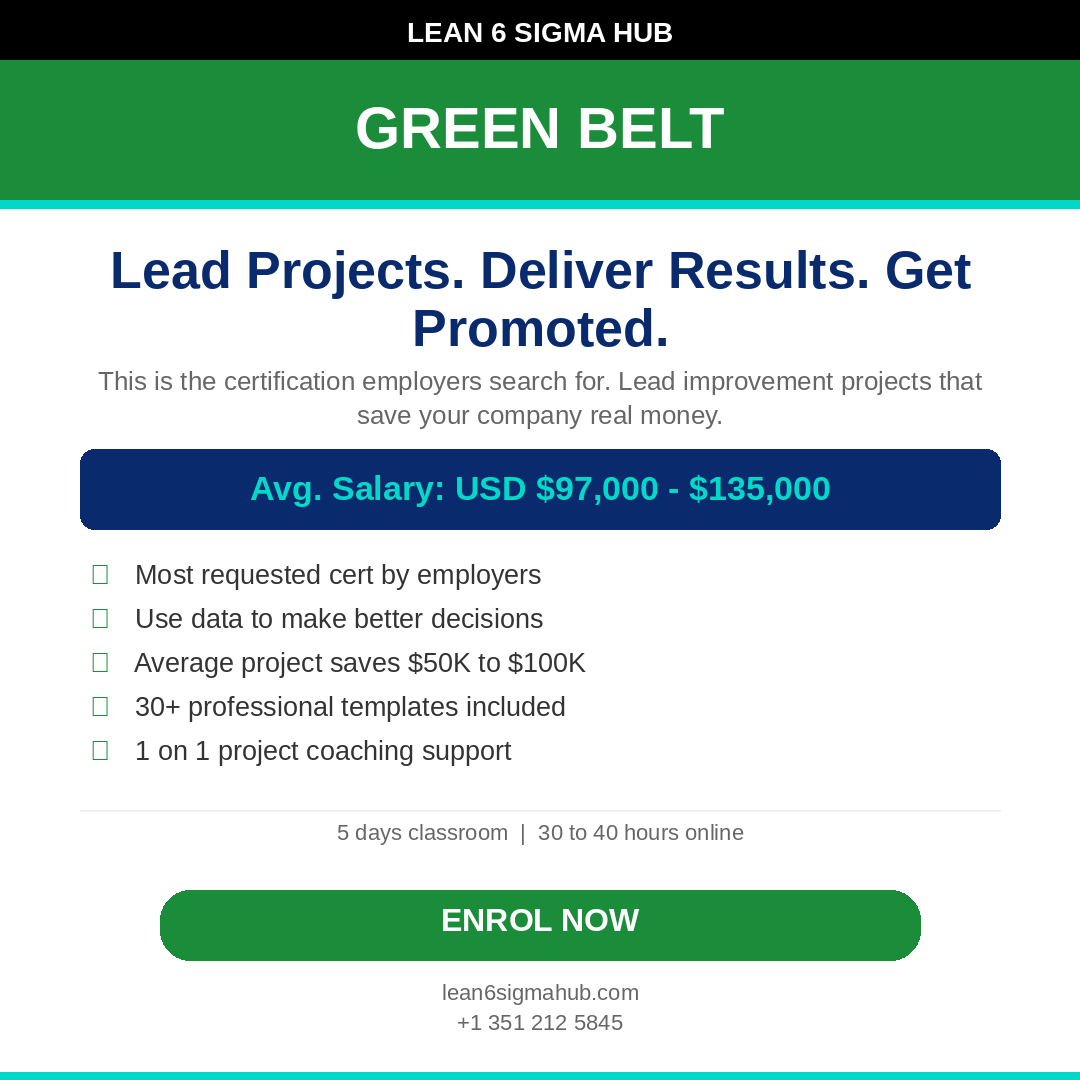
- Green Belts: Professionals who lead departmental projects and possess a deep understanding of the DMAIC methodology. You can test your readiness with a free Green Belt practice exam.
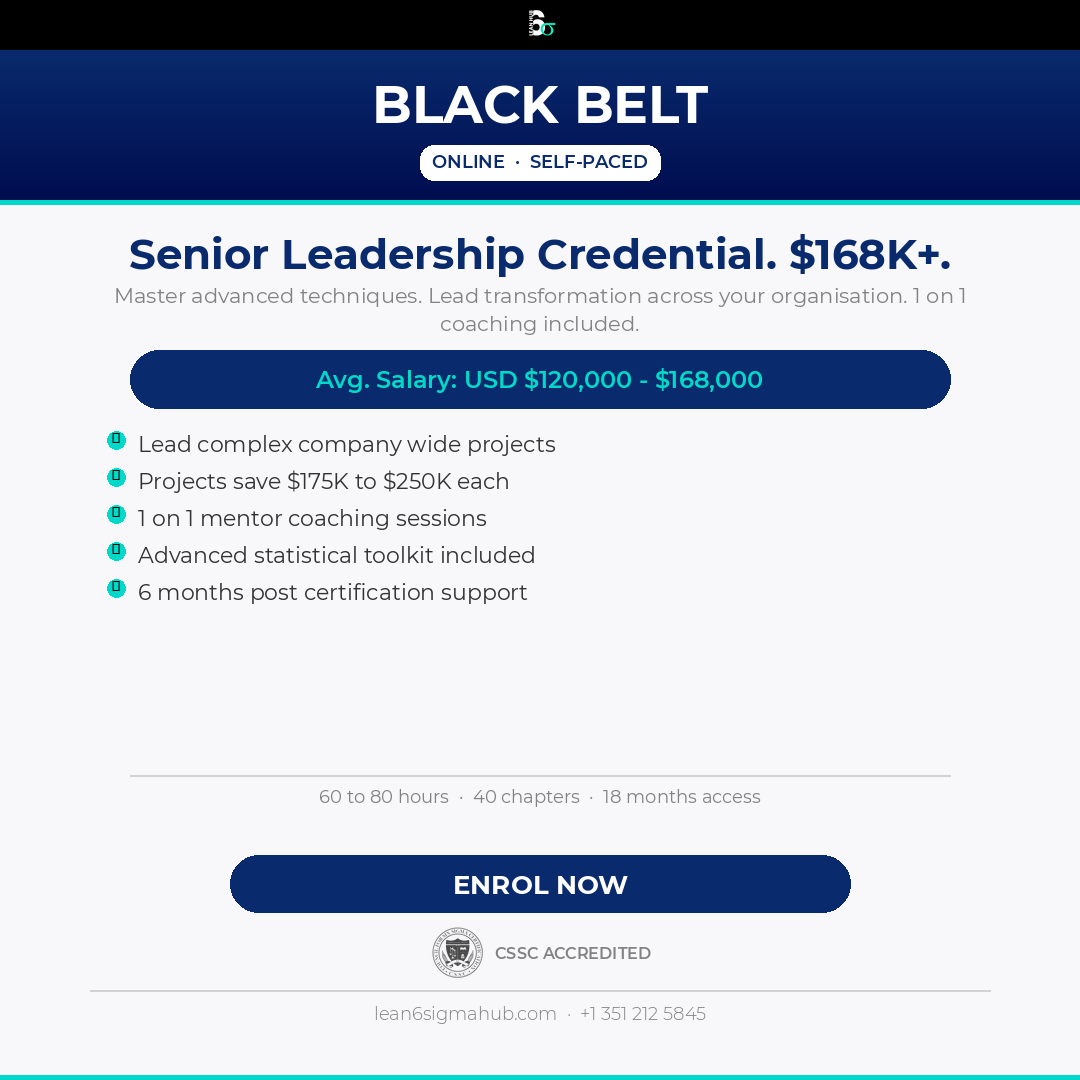
- Black Belts: Strategic leaders who manage large-scale, enterprise-wide initiatives and mentor other belts.
The average salary for a certified Black Belt in healthcare can range from $120,000 to over $168,000, reflecting the high value placed on their ability to save the organization millions while improving care quality.
Technical Implementation: The DMAIC Roadmap
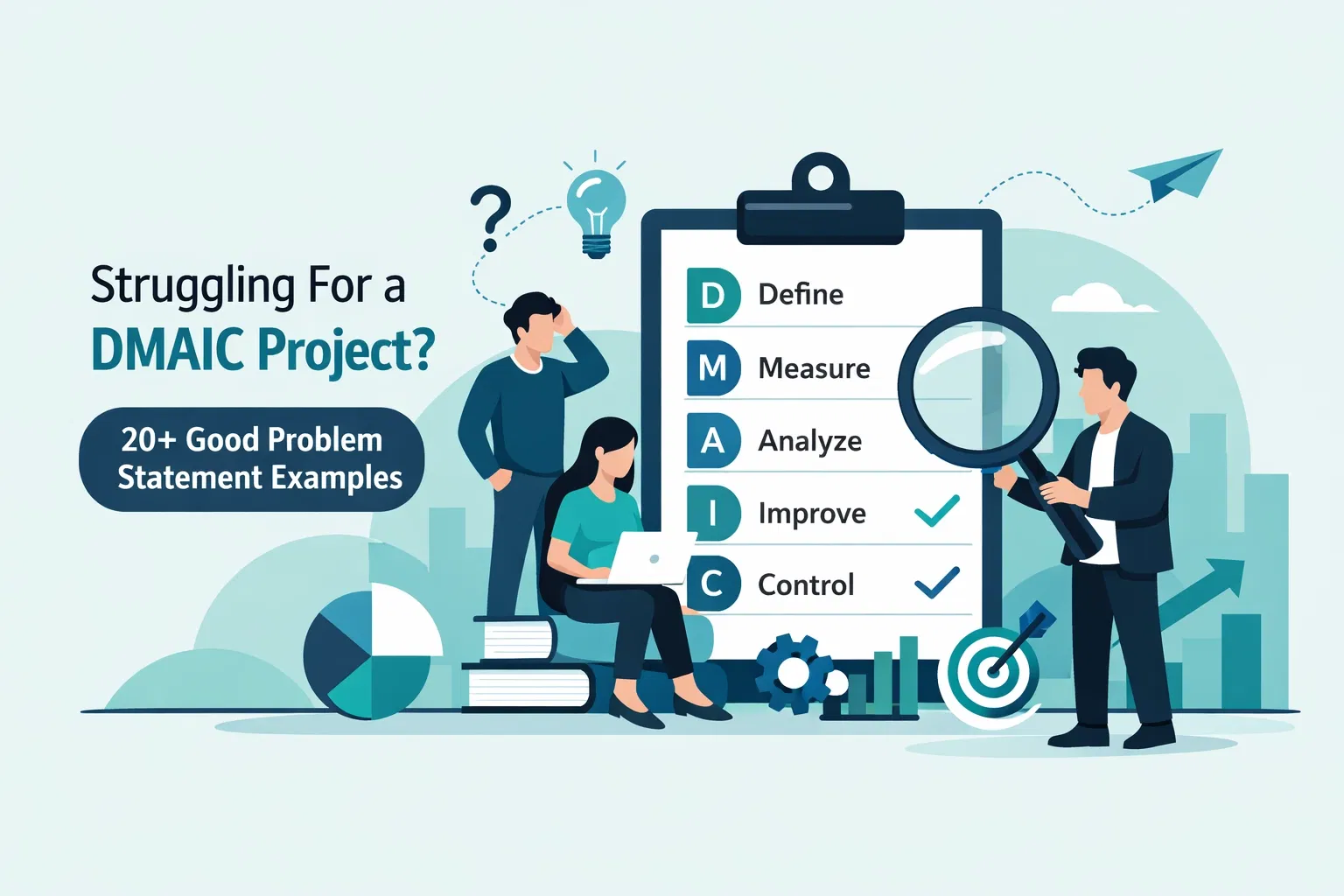
To transition from chaos to control, healthcare professionals follow the five-phase DMAIC roadmap. This scientific approach ensures that improvements are not just temporary fixes, but sustainable shifts in the organizational culture.
- Define: Clearly outline the problem. Is the goal to reduce post-operative infections or to decrease patient wait times in the clinic?
- Measure: Collect baseline data. Without accurate data, you are just another person with an opinion.
- Analyze: Use statistical tools to identify the root cause of the problem.
- Improve: Pilot solutions and implement the most effective ones.
- Control: Establish protocols to ensure the problem does not return.
For those just beginning their journey, the White Belt certification offers an excellent, zero-cost introduction to these concepts, providing the foundational knowledge needed to support organizational change.

Conclusion: A Call to Excellence
The adoption of Lean Six Sigma in healthcare is not merely a trend; it is a necessary evolution. As the industry becomes increasingly complex, the demand for professionals who can navigate this complexity with precision will only grow. By pursuing lean six sigma certification, you are not just advancing your career: you are committing to a higher standard of care, a safer environment for patients, and a more efficient future for the healthcare industry.
The journey from chaos to control begins with a single step toward mastery. Whether you are looking to solve specific departmental issues or lead your entire organization toward excellence, the tools and methodologies of Lean Six Sigma are your roadmap to success.
Take the first step in your professional transformation and enroll in our accredited Lean Six Sigma Training programs today to lead the future of healthcare excellence.