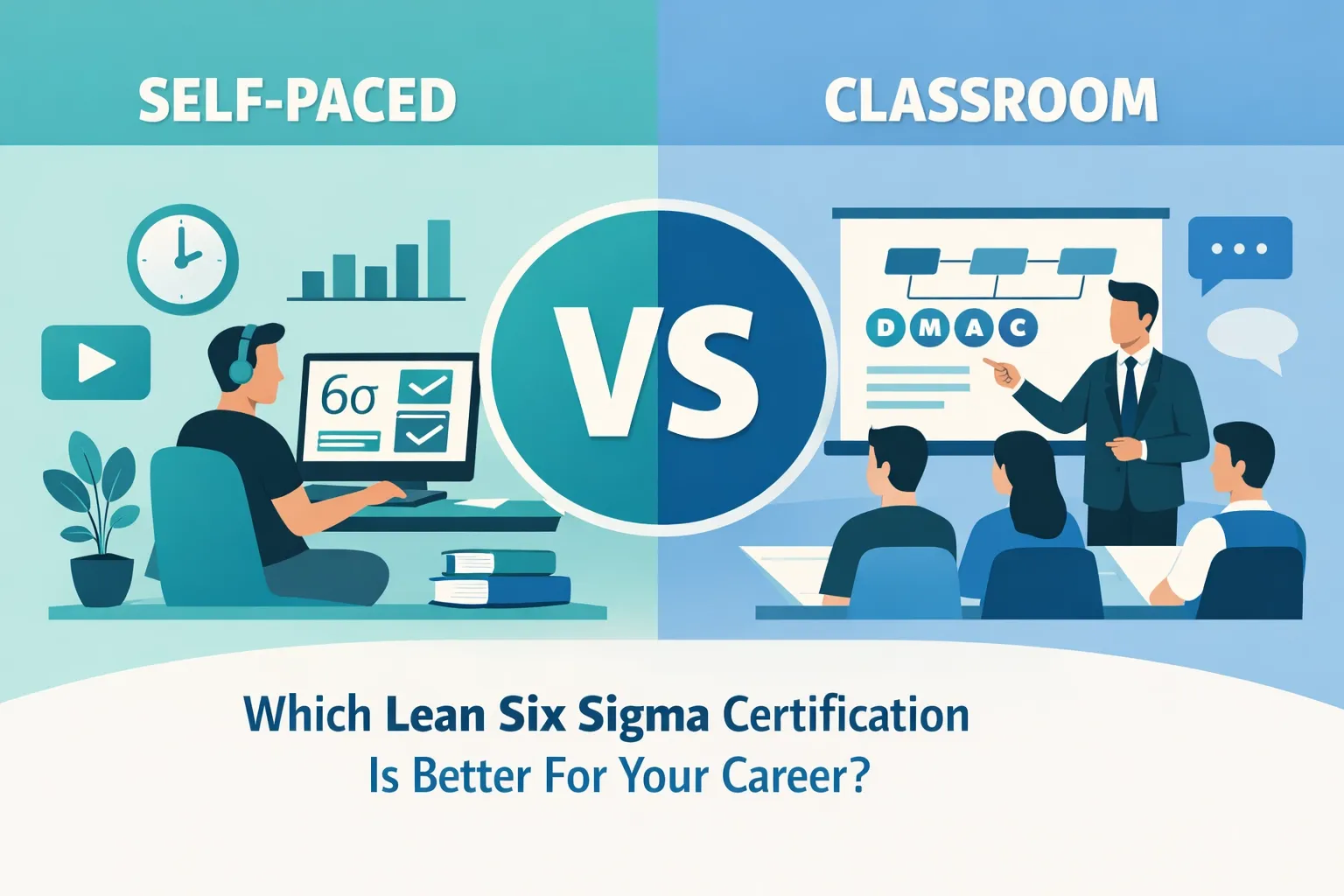
In the realm of operational excellence, the pursuit of a Lean Six Sigma certification has become a definitive marker of professional competency. As organizations across the globe: from manufacturing giants to financial institutions: strive to eliminate waste and reduce process variation, the demand for skilled practitioners has never been higher. However, prospective candidates often find themselves at a crossroads: should they commit to the traditional rigor of classroom training, or embrace the burgeoning flexibility of self-paced online learning?
The fundamental purpose of this analysis is to dissect the nuances of both delivery methods, evaluating them against the critical pillars of cost, time, and practical application. To fully appreciate which path yields the highest return on investment (ROI) for your career, one must look beyond the certificate itself and examine the long-term impact on skill retention and workplace implementation.
The Traditional Classroom Model: Structure and Its Constraints
Historically, lean six sigma training was delivered almost exclusively in a physical classroom or via live "virtual" sessions. This model typically involves an intensive five-day "boot camp" for a Green Belt or a ten-to-fifteen-day commitment for a Black Belt.
While the classroom environment offers immediate access to an instructor, it presents significant logistical and financial hurdles. The direct costs of classroom training often range from $3,000 to $6,000, excluding travel, accommodation, and the opportunity cost of being away from one's professional responsibilities for an entire week. Furthermore, the "firehose" method of instruction: where complex statistical concepts are compressed into a few days: can lead to cognitive overload. Research suggests that without immediate application, learners may forget up to 70% of the material within 24 hours of completion.
The Self-Paced Revolution: Flexibility as a Competitive Advantage
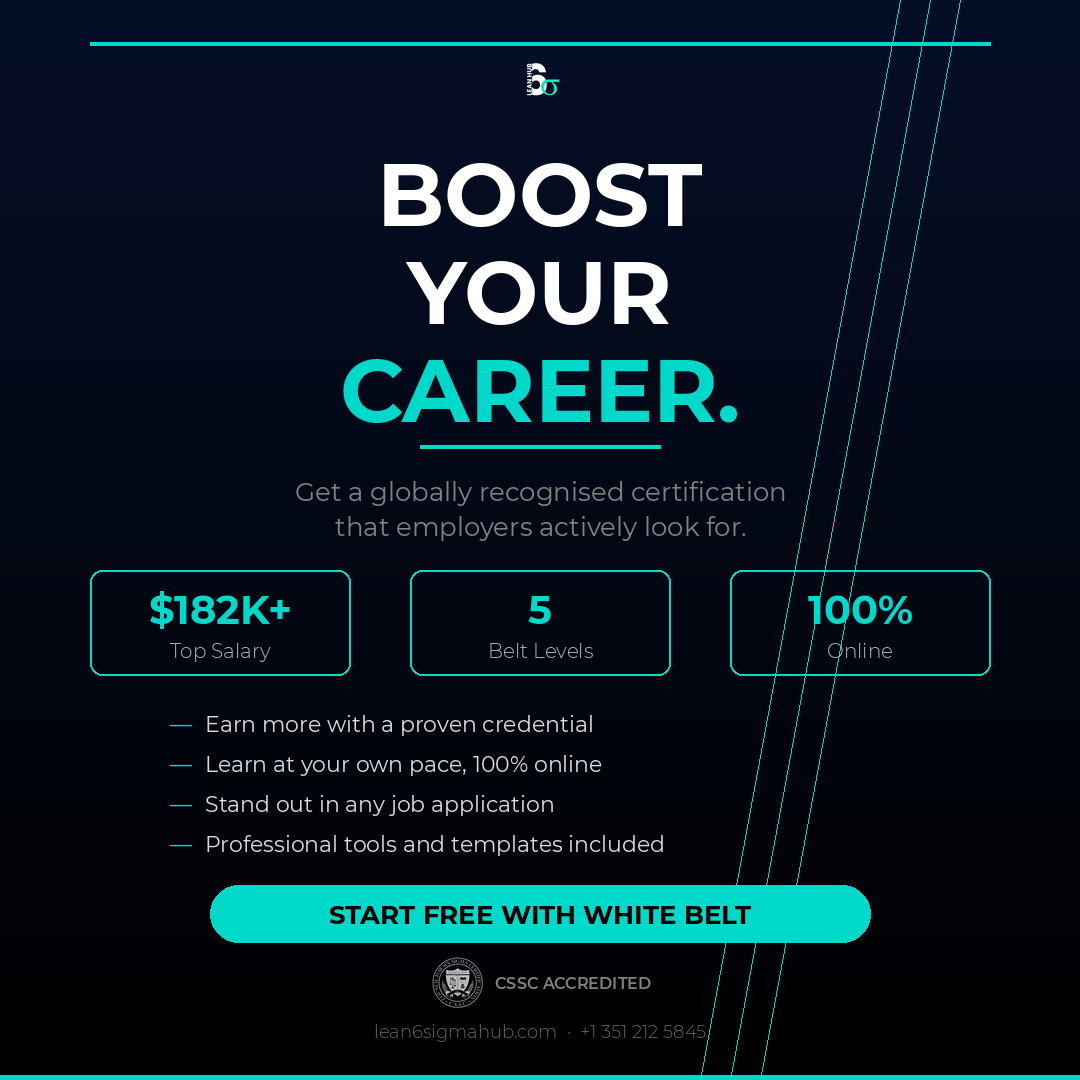
In contrast, the self-paced online model, pioneered by platforms like Lean 6 Sigma Hub, aligns with the modern professional’s need for integration rather than interruption. This approach allows candidates to digest complex modules: such as Hypothesis Testing or Control Charts: at their own speed, ensuring mastery before moving forward.
The primary advantages of self-paced learning include:
- Temporal Flexibility: Professionals can engage with course material during low-productivity windows, ensuring that their primary job functions remain undisturbed.
- Cost Efficiency: By removing the overhead of physical facilities and travel, online programs can offer the same CSSC-accredited curriculum at a fraction of the cost, often saving candidates thousands of dollars.
- Modular Mastery: Learners can revisit difficult topics, such as understanding process cycle efficiency, as many times as necessary to ensure full comprehension.
Analytical Comparison: Cost, Time, and Career Impact
To provide a data-heavy comparison, let us examine the typical journey for a Green Belt certification.
| Feature | Classroom Training | Self-Paced Online (Lean 6 Sigma Hub) |
|---|---|---|
| Duration | 5 Consecutive Days | 30–40 Hours (Flexible) |
| Direct Cost | $3,500 – $5,500 | Significantly Lower |
| Resource Access | Limited to class duration | 12–24 Months Access |
| Project Coaching | During class hours only | 1-on-1 Email/Live Mentorship |
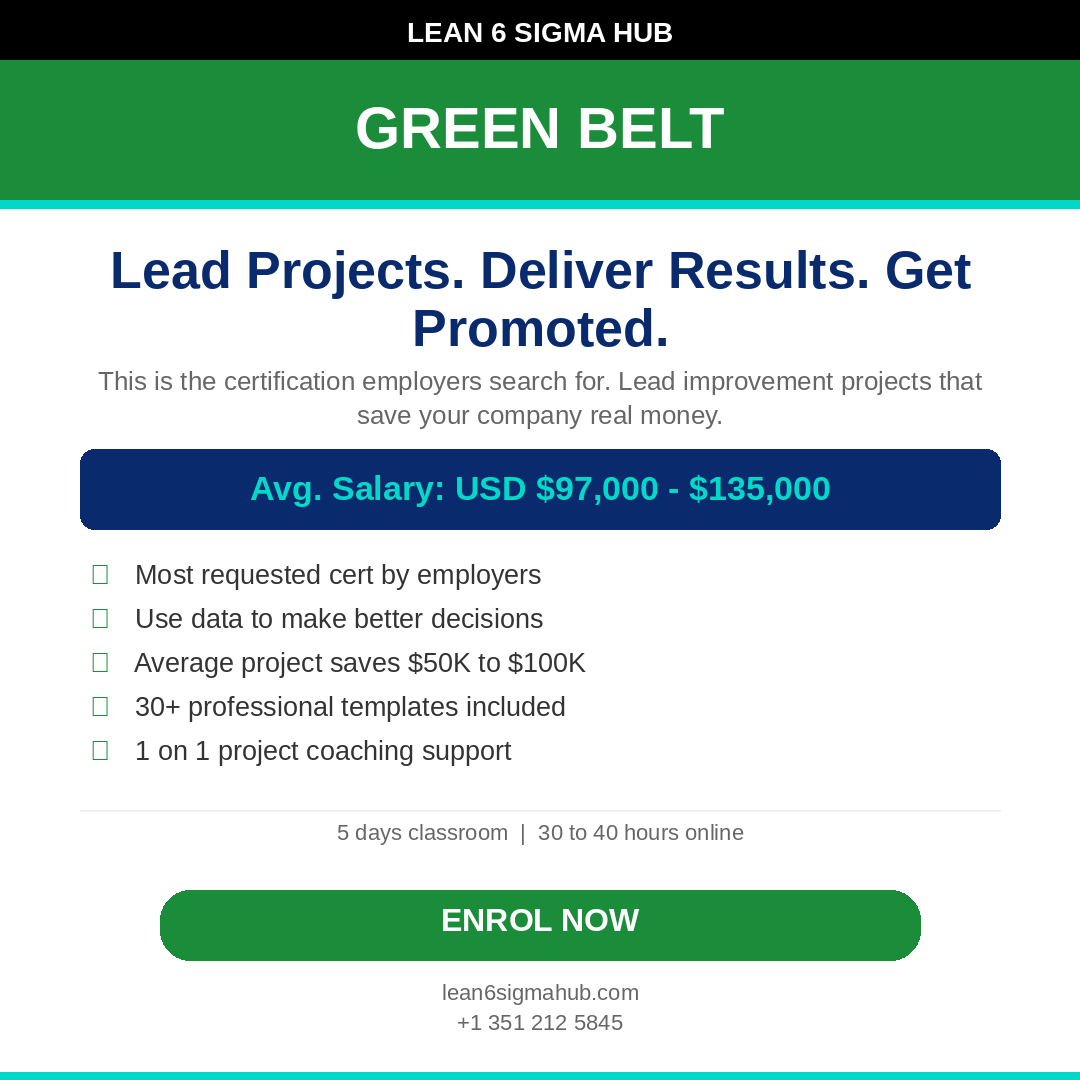
| Salary Potential | $97,000 – $135,000 | $97,000 – $135,000 |
To fully appreciate these metrics, consider a hypothetical case study. A mid-level manager in a logistics firm chooses the self-paced route. By studying in 30-minute blocks, they maintain their role in cold chain logistics while simultaneously applying DMAIC principles to their active projects. This real-time application often results in immediate process savings: frequently ranging from $50,000 to $100,000 per project, well before the final exam is even taken.

Practical Application: The Bridge to Mastery
One of the most persistent criticisms of online learning is the perceived lack of "hands-on" experience. However, the modern self-paced curriculum at Lean 6 Sigma Hub addresses this by providing an extensive library of over 30+ professional templates and tools.
The ability to download a SIPOC template or a FMEA worksheet and immediately use it in a departmental meeting is far more valuable than a theoretical discussion in a hotel conference room. In fact, training your team to maintain new processes is significantly easier when you have continuous access to the instructional materials used during your own certification journey.
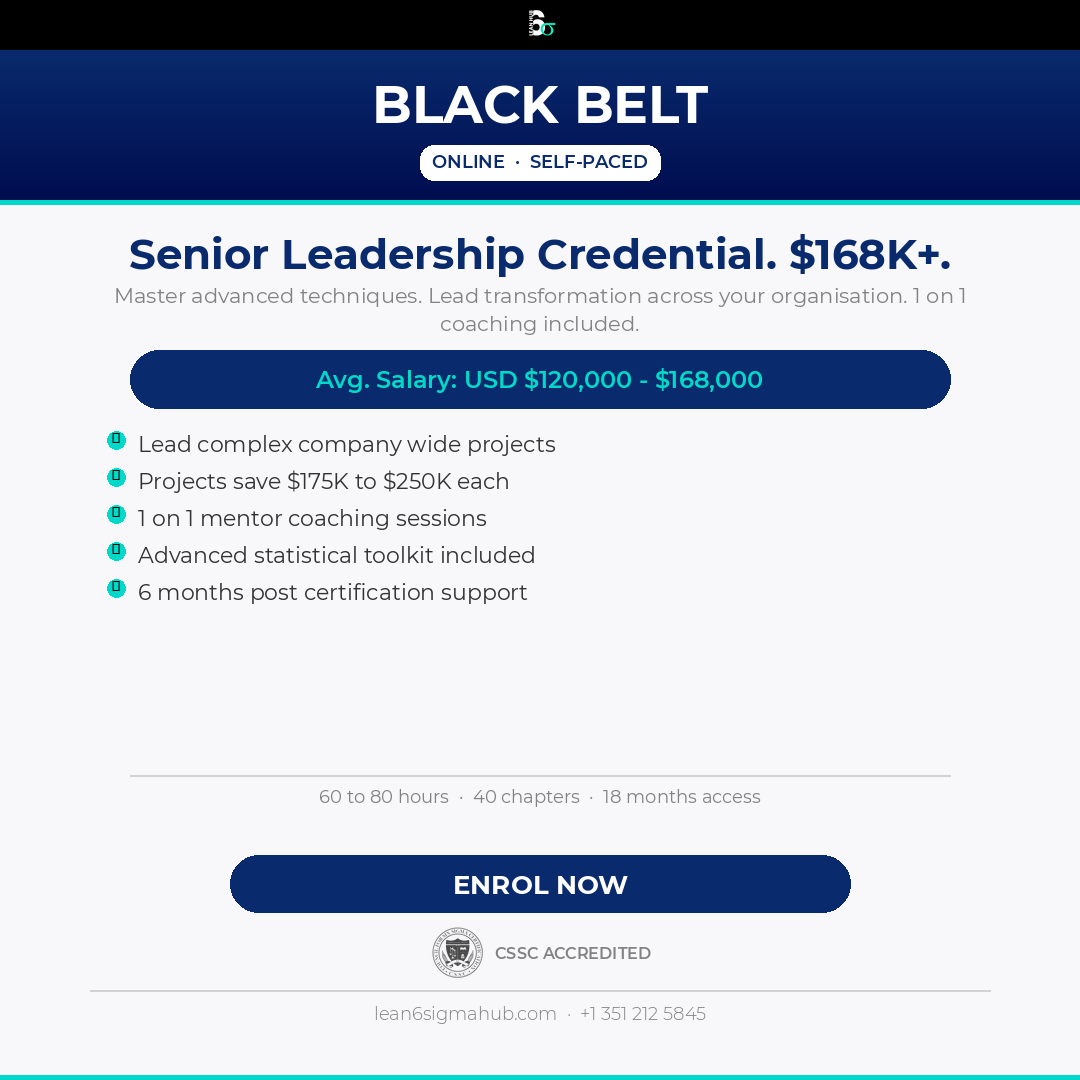
Furthermore, for those pursuing a Black Belt certification, the complexity of leading company-wide projects requires advanced statistical tools and sustained support. A self-paced program that offers six months of post-certification support and 1-on-1 coaching ensures that the practitioner is not left isolated when facing high-stakes organizational challenges.
Career Trajectory and Market Recognition
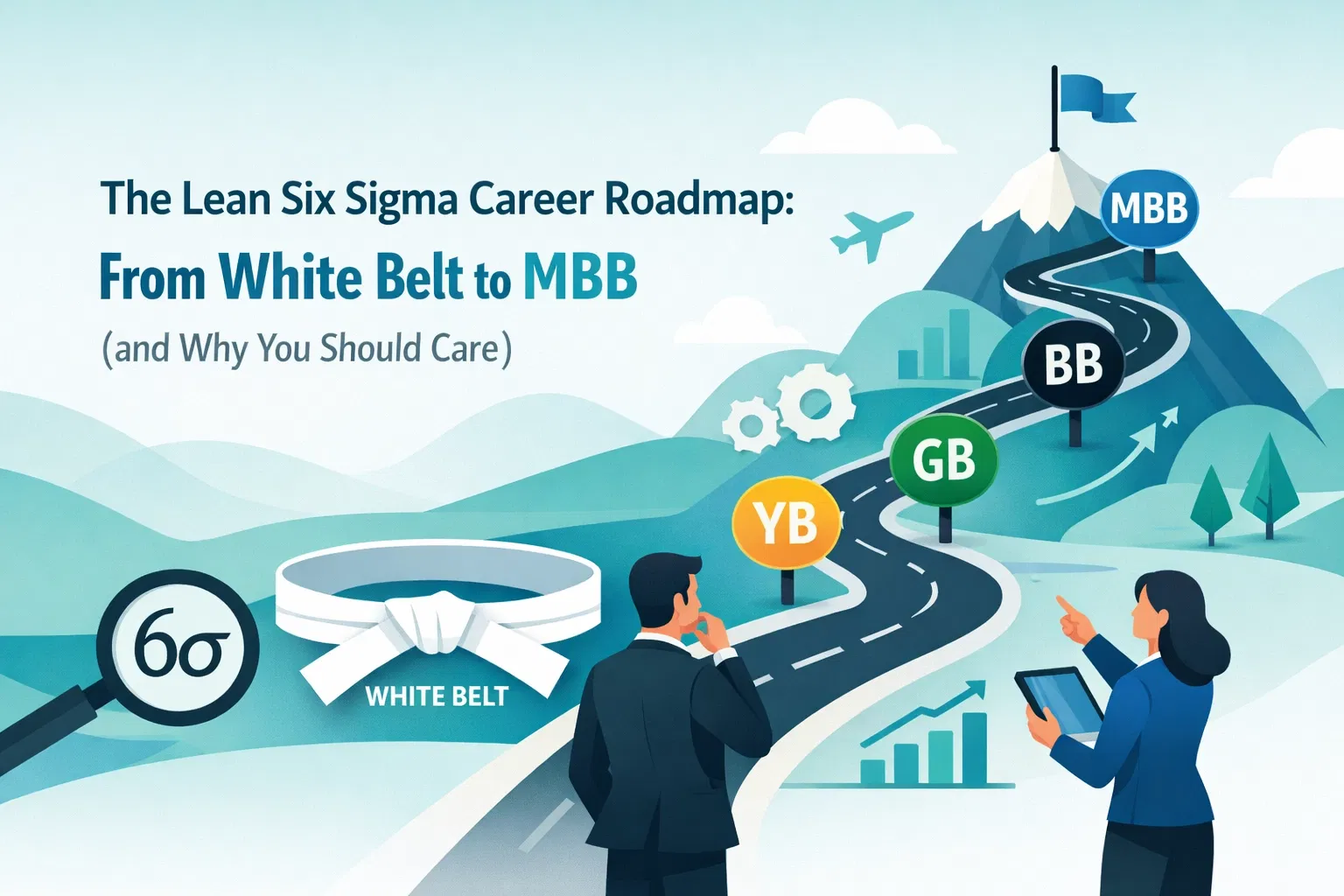
A common concern among professionals is whether employers value self-paced certifications as highly as those obtained in a classroom. The reality of the current job market is that accreditation and proven results carry the most weight. Whether you are an aspiring White Belt or a seasoned Master Black Belt, what matters to an executive is your ability to identify bottlenecks and drive measurable financial improvements.
Top-tier salaries in this field are substantial. A Master Black Belt can command a salary range of $150,000 to $200,000+, with responsibilities that include shaping company strategy and training subsequent generations of Black Belts. For these high-level roles, the self-paced model often includes executive coaching, providing a more personalized and sophisticated level of mentorship than a standardized classroom setting could offer.
Strategic Decision Making: Which Is Right For You?
Choosing between these two formats requires a candid assessment of your learning style and professional environment.
- Choose Classroom Training if: You require a rigid schedule to remain focused, have an employer-funded budget that covers travel and high tuition, and prefer face-to-face peer networking.
- Choose Self-Paced Training if: You value the ability to learn while working, prefer a "pay-as-you-go" or lower-cost entry point, and want a repository of tools (like dashboard design guides) that you can reference throughout your career.
At Lean 6 Sigma Hub, our USP is centered on the belief that lean six sigma training should be accessible, practical, and tailored to the individual. Our courses, ranging from the foundational White Belt to the elite Master Black Belt, are designed by industry experts who understand that true learning happens when the theory meets the reality of the workplace.
Conclusion: The Path Forward
In the final analysis, the "better" certification is the one that you can successfully complete and immediately implement. The shift toward digital, self-paced learning is not merely a trend; it is a response to the increasing speed of business and the need for continuous professional development. By choosing a flexible, accredited online program, you are not just earning a credential: you are gaining a lifelong toolkit for solving complex problems and driving organizational excellence.
Whether you are looking to resolve supplier lead time issues or optimize banking compliance, the principles of Lean Six Sigma remain the gold standard for process improvement.
Begin your journey toward professional excellence today by enrolling in our CSSC-accredited Lean Six Sigma training and secure your position as a data-driven leader in your industry.