In the realm of modern organizational excellence, the adoption of Lean Six Sigma (LSS) has long been heralded as the definitive path to operational efficiency. For decades, practitioners have meticulously applied the DMAIC (Define, Measure, Analyze, Improve, Control) roadmap to dismantle inefficiencies and eradicate process variation. However, a persistent and troubling trend remains: many Lean Six Sigma initiatives fail to deliver long-term, enterprise-wide transformation. While the tools themselves are mathematically sound and logically rigorous, they often exist in a methodological vacuum.
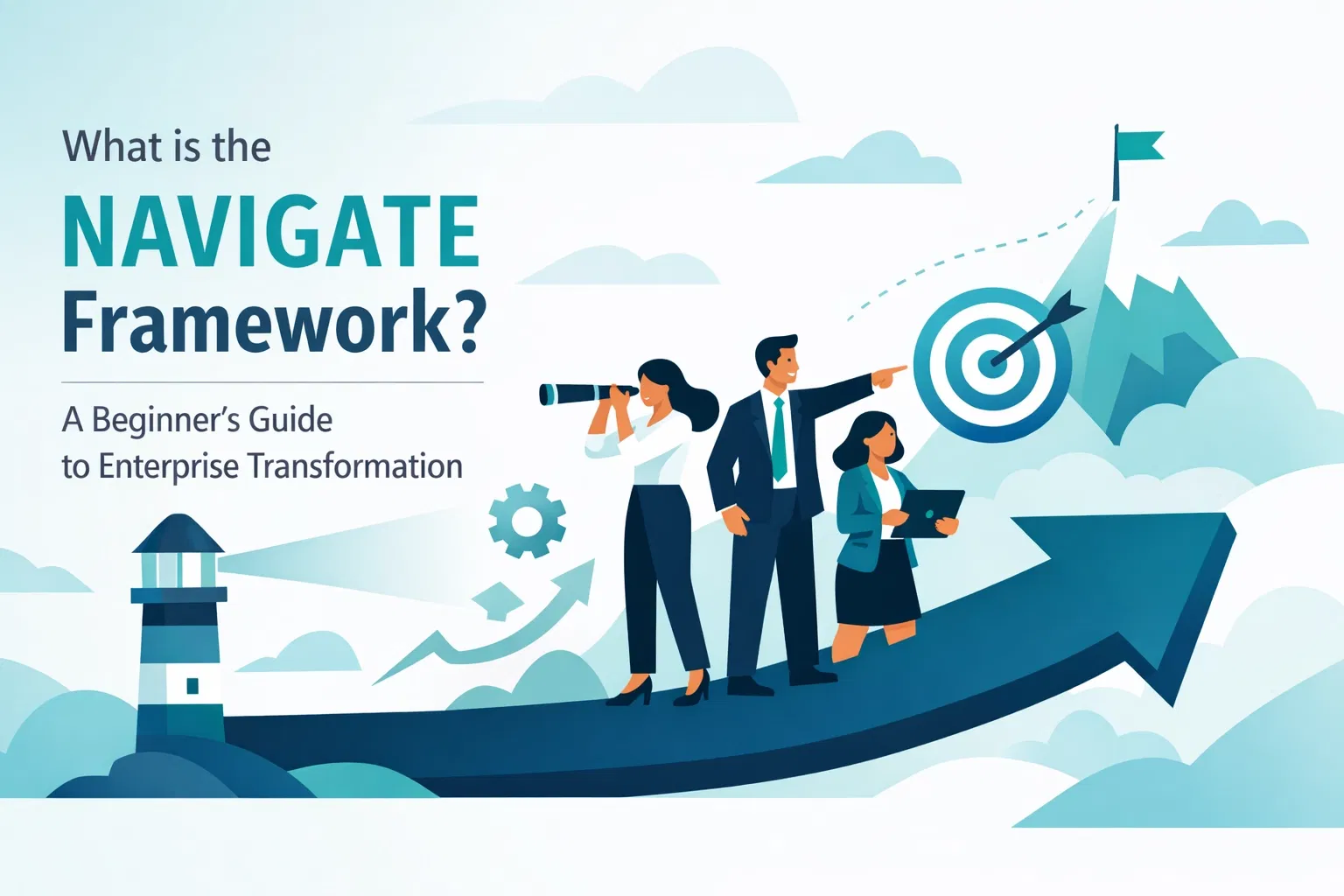
The fundamental purpose of this analysis is to explore why technical proficiency in Lean Six Sigma is insufficient on its own. To truly realize the potential of these methodologies, organizations must move beyond the "tool-kit" approach and embrace a holistic architecture of integration. This is where the NAVIGATE framework becomes essential, acting as the connective tissue that bridges the gap between statistical rigor, behavioral science, and strategic change management.
The Fragmented Transformation Trap
To fully appreciate the necessity of integration, one must first identify the symptoms of a fragmented transformation. Many organizations treat Lean and Six Sigma as distinct, almost rival, entities. Lean is frequently utilized for its ability to enhance speed and eliminate waste, while Six Sigma is reserved for high-stakes quality control and variance reduction. When these methodologies are deployed in silos, the results are predictably suboptimal.
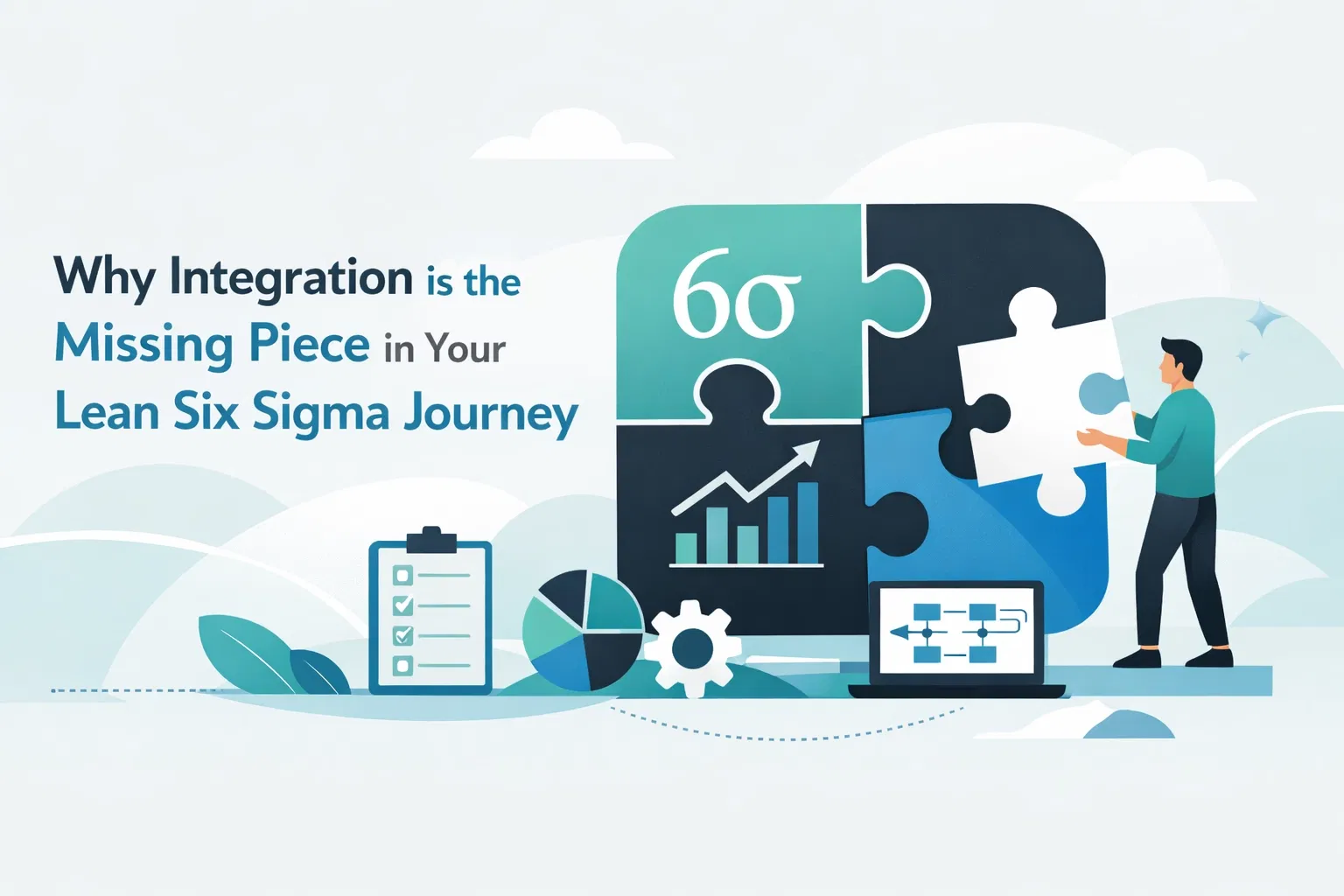
A "Lean-only" approach may increase velocity but inadvertently sacrifice quality by stripping away necessary checks. Conversely, a "Six Sigma-only" project might achieve Six Sigma levels of precision but result in a process so cumbersome and over-engineered that it stifles agility. The missing piece is the deliberate integration of these two dimensions. As research indicates, the synergy between Lean’s efficiency and Six Sigma’s precision creates a comprehensive improvement framework that addresses both the "how fast" and the "how well" of business operations.

Beyond Tools: The Role of Behavioral Science
One of the most significant reasons Lean Six Sigma projects fail to "stick" is the neglect of the human element. In the traditional DMAIC framework, the "Control" phase is often treated as a technical hand-off: documenting the new process and creating an escalation plan. However, without a deep understanding of behavioral science, these new processes are frequently met with subconscious resistance.
Integration means bringing Behavioral Science and Change Management into the project lifecycle at the earliest possible stage. It is not enough to change a process; one must change the behavior of the people who execute that process. When a practitioner understands the psychological drivers behind resistance, they can design interventions that align the new process with the natural incentives of the workforce. To explore this further, practitioners should consult our comprehensive guide to sustainable organizational change.
Utilizing tools like the Stakeholder Impact Assessment Calculator allows leaders to quantify the human risk associated with a project. By integrating these insights into the "Define" phase, the transformation becomes less about imposing a new standard and more about architecting a environment where the new standard is the path of least resistance.
NAVIGATE: The Architecture for Enterprise Success
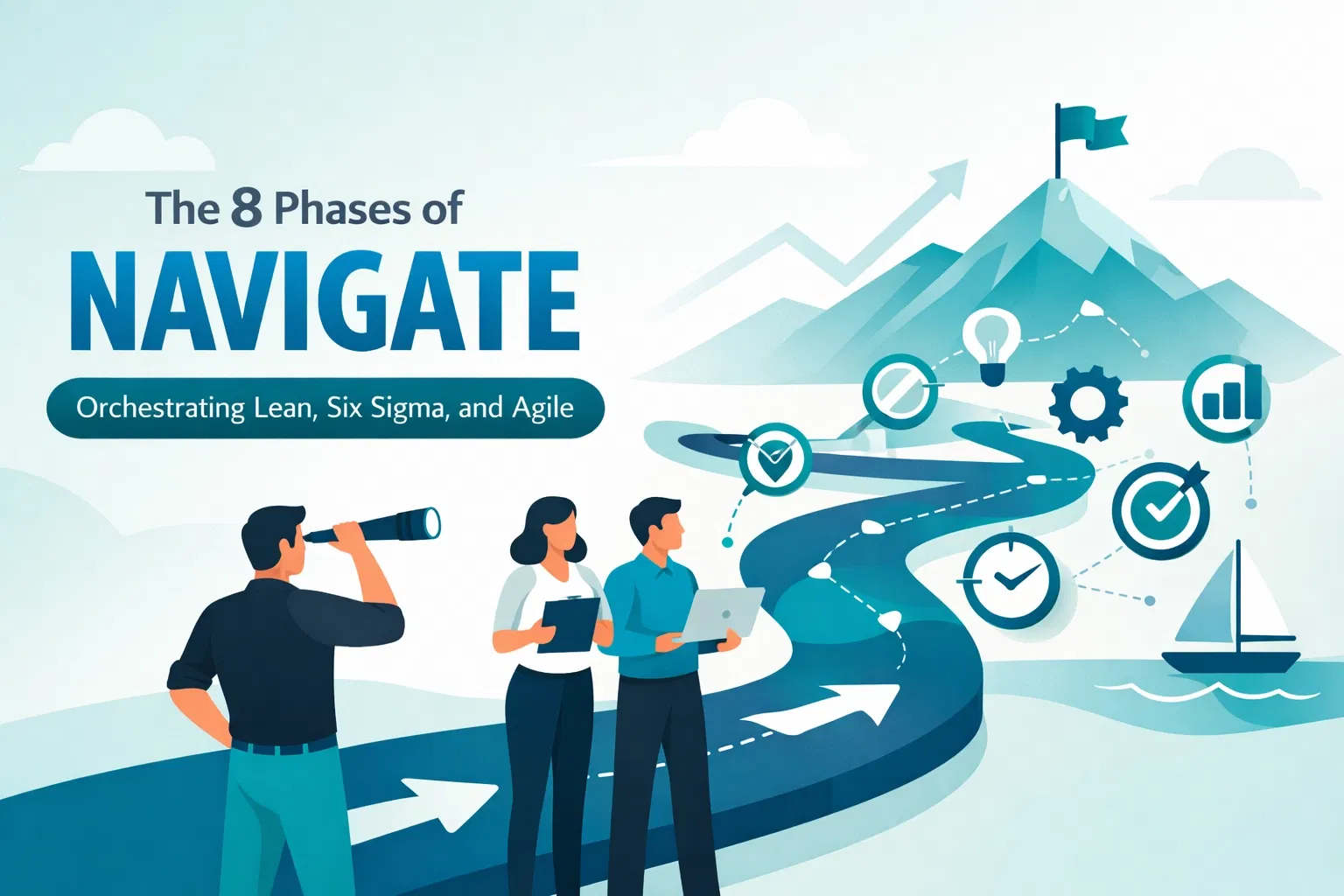
If DMAIC is the engine of a project, NAVIGATE is the navigation system for the entire enterprise. NAVIGATE is an 8-phase framework designed to orchestrate Lean, Six Sigma, and Agile into a unified transformation strategy. It moves the focus from "collecting belts" to "architecting results."
The NAVIGATE phases are specifically designed to ensure that technical improvements are supported by organizational readiness:
- Need the Shift: Aligning the project with the strategic goals of the organization.
- Assess the Gap: Identifying not just process gaps, but cultural and behavioral gaps.
- Validate the Path: Ensuring the chosen methodology (Lean, Six Sigma, or Agile) is appropriate for the problem at hand.
- Integrate Solutions: Combining technical tools with change management protocols.
- Govern the Change: Establishing the leadership structures necessary to support the new state.
- Accelerate Adoption: Using behavioral triggers to drive faster uptake of new processes.
- Transition to Scale: Scaling solutions from pilot to full implementation without losing momentum.
- Evolve Continuously: Establishing a feedback loop that allows the process to adapt to changing market conditions.
By following this architecture, practitioners ensure that their baseline metrics are not just temporary markers of success, but the foundation for a permanent shift in performance.
https://cdn.marblism.com/v_Ja_FqQFRB.png
A Data-Driven Case for Integration
Consider a hypothetical case study involving a global logistics firm. The organization initially launched a traditional Six Sigma initiative to reduce errors in their sorting facility. By focusing solely on technical tools like FMEA scoring and RPN calculations, they successfully reduced their defect rate from 4.2% to 1.1% over a six-month period.
However, within a year, the defect rate had climbed back to 3.8%. The post-mortem analysis revealed that while the new process was technically superior, the frontline workers found it cumbersome and had slowly reverted to their old, "faster" habits. There was no effective escalation procedure that resonated with the team's daily reality.
In contrast, a secondary initiative utilized the NAVIGATE framework. They integrated Behavioral Science by incentivizing the specific behaviors required for the new process and used Voice of the Customer (VOC) data to explain "the why" to the staff. They also implemented rigorous process documentation that served as a living reference rather than a static manual. The result was a sustained defect rate of 0.8% over three years, with a total project ROI exceeding 400%.

Why Practitioners Need the Integrated Architecture
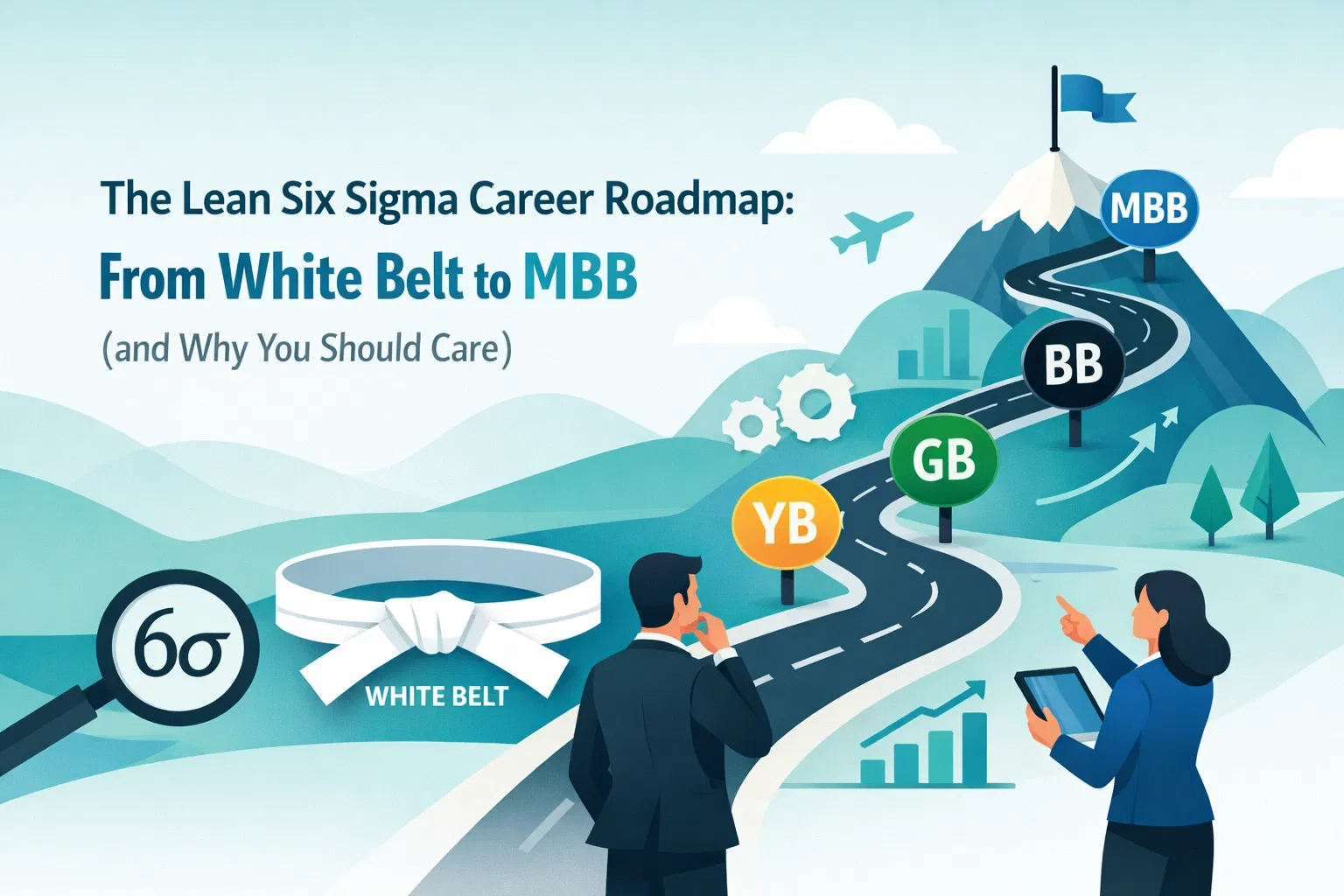
For the Black Belt or Master Black Belt, the transition from being a "fixer" to being an "architect" is the hallmark of true professional growth. Mastery of the Lean Six Sigma Black Belt curriculum provides the technical foundation, but the integration of NAVIGATE provides the strategic influence.
Practitioners who fail to integrate often find themselves frustrated by "project fatigue" in their organizations. They see their hard-won gains evaporate as soon as they move to the next project. By utilizing the NAVIGATE architecture, you provide the "connective tissue" that ensures:
- Sustainability: Changes are embedded into the culture, not just the SOP.
- Scalability: Solutions developed in one department can be effectively translated to others.
- Strategic Alignment: Every project contributes directly to the organization’s bottom line, which can be measured using our Project Charter ROI Calculator.
Conclusion: The Path to Masterful Transformation
The era of siloed methodologies is coming to an end. Lean Six Sigma tools are undeniably powerful, but their true potential is only unlocked when they are part of a broader, integrated architecture. By bridging the gap between data-driven rigor and human-centric behavioral science, the NAVIGATE framework allows practitioners to lead transformations that are not only successful in the short term but resilient in the long term.
If you are ready to move beyond basic tool application and become a true architect of enterprise transformation, it is time to elevate your expertise. Our certification programs are designed to provide you with the integrated skills necessary to lead at the highest levels of industry.
Take the next step in your professional journey and enroll in our Lean Six Sigma Master Black Belt Training today to master the NAVIGATE framework and drive unprecedented organizational value.