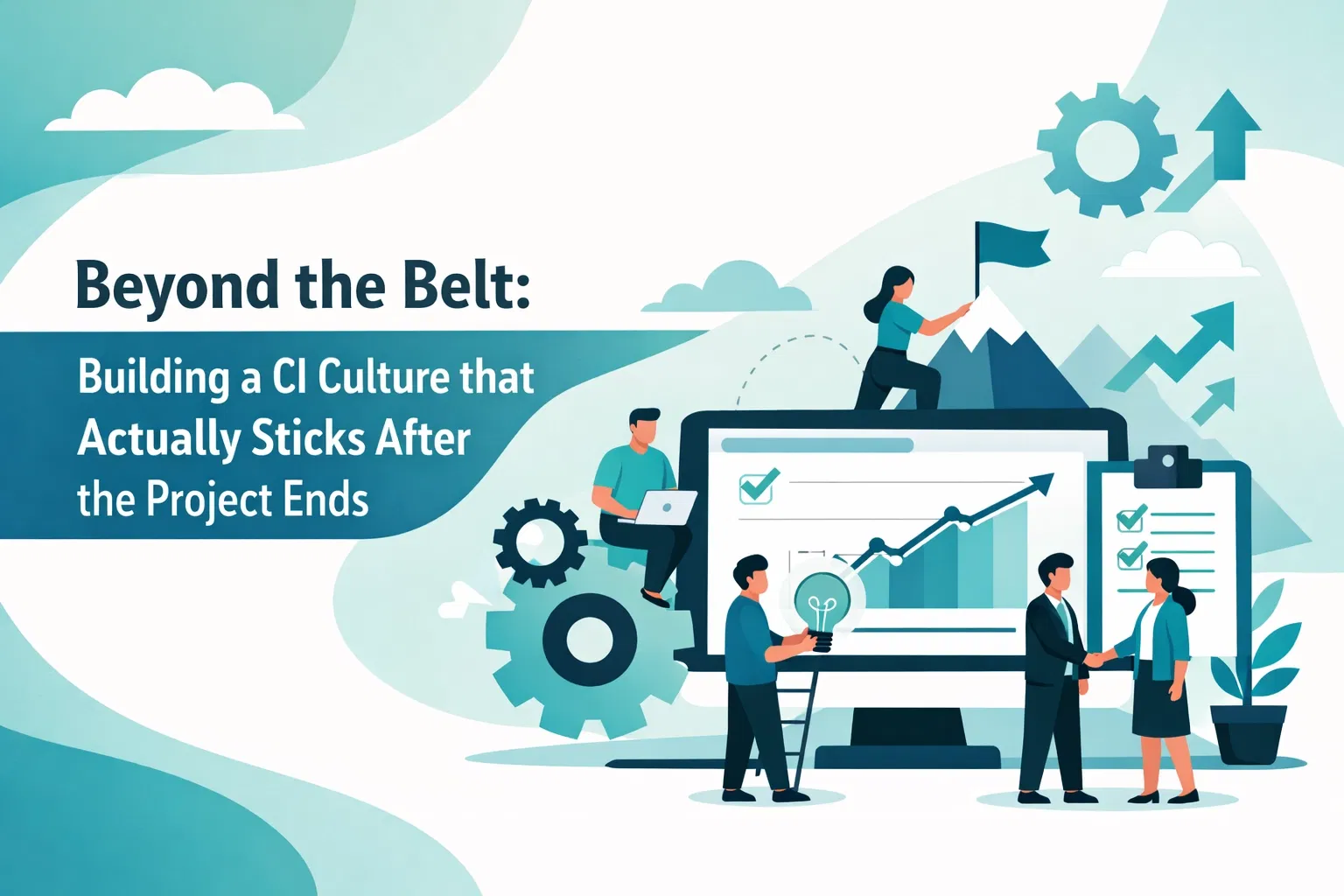
![[HERO] Beyond the Belt: Building a CI Culture that Actually Sticks After the Project Ends](https://cdn.mar4blism.com/WL-GuHQYMR_.webp)
In the realm of process excellence, the completion of a DMAIC (Define, Measure, Analyze, Improve, Control) project is often met with a sense of triumph. Teams celebrate reduced cycle times, minimized defect rates, and significant cost savings. However, the fundamental purpose of any improvement initiative is not merely to achieve a temporary "spike" in performance, but to establish a new, sustainable baseline. To fully appreciate the complexity of operational excellence, one must recognize that the technical solution is only half the battle; the more formidable challenge lies in the cultural integration that must occur after the project officially concludes.
Without a robust Continuous Improvement (CI) culture, organizations often experience the "rubber band effect," where processes slowly revert to their chaotic, pre-improvement state once the Black Belt or Green Belt moves on to the next fire. Building a culture that "sticks" requires a strategic shift from viewing lean six sigma training as a series of isolated events to treating it as a living organizational mindset.
The Control Phase: The Bridge to Permanent Change
The final phase of the DMAIC methodology, the Control phase, is frequently the most undervalued. Yet, it serves as the critical bridge between a successful pilot and a permanent operational standard. The objective here is to ensure that the gains are monitored and that any deviations are corrected before they lead to systemic failure.
To institutionalize these changes, leaders must prioritize effective process documentation. Documentation provides the "source of truth" for the frontline staff. Furthermore, creating effective escalation procedures ensures that when a process drifts outside of its statistical control limits, there is a clear, non-punitive protocol for intervention.

From "Who Blundered" to "What Failed": Fostering a Blameless Culture
A sustainable CI culture cannot survive in an environment of fear. When a process fails, the instinctive reaction in traditional management is often to seek a scapegoat. In contrast, a high-maturity Lean Six Sigma organization shifts the focus from individual culpability to systemic vulnerability. This is known as a blameless learning culture.
The implementation of blameless postmortems allows teams to dissect failures with clinical objectivity. Instead of asking "Who caused this?", the inquiry becomes "What in our process allowed this failure to occur, and how can we prevent it?" By removing the threat of punishment, employees are more likely to engage in the experimentation required for innovation. They become active participants in identifying waste rather than passive observers.
The Role of Leadership in Cultural Modeling
The success of any lean six sigma certification program is directly proportional to the level of executive buy-in. To transition beyond a "belt-centric" approach, leadership must do more than simply sign off on budgets; they must model the behaviors they wish to see.
- Vulnerability: Leaders should admit when their own hypotheses are proven wrong by data.
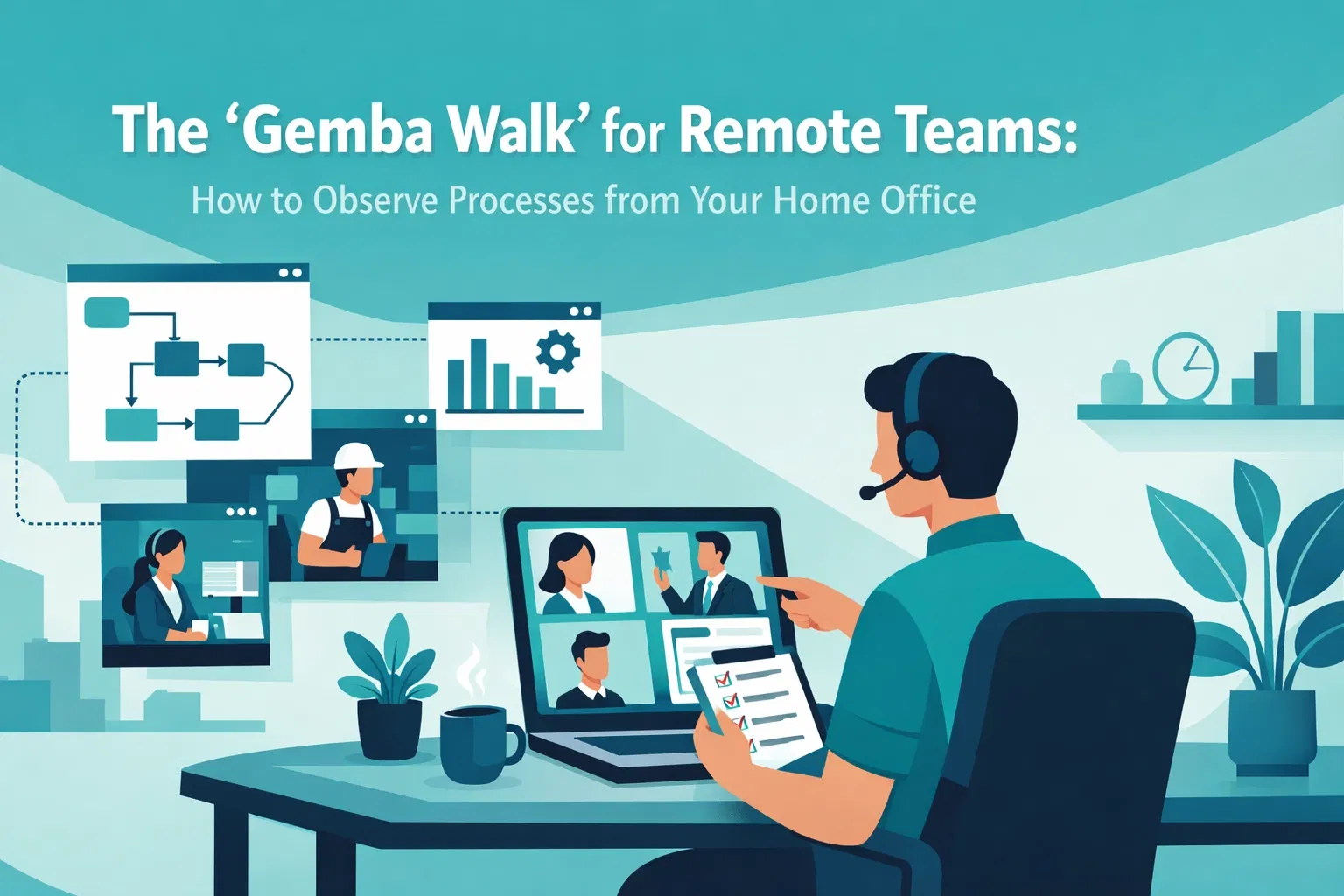
- Gemba Walks: Executives must regularly visit the "Gemba" (the place where work happens) to understand the realities of the shop floor or the service center.
- Strategic Alignment: Every CI project should link back to the organization’s high-level goals. Using a Project Selection Scoring Calculator can help leaders ensure that the workforce is spending energy on the most impactful problems.
Empowering the Workforce through Lean Six Sigma Training
For a CI culture to permeate an entire organization, the knowledge cannot be siloed within a small group of experts. While Black Belts drive large-scale transformations, the daily incremental improvements: the "Kaizen": must come from the employees who live the process every day.
Comprehensive lean six sigma training provides a common language for the organization. When a frontline worker understands how to calculate a Risk Priority Number (RPN), they are no longer just a "cog in the machine"; they are a quality assurance agent.
By investing in certification across various levels: from White and Yellow Belts to Green and Black Belts: companies build a tiered support structure. This ensures that process changes are not just dictated from the top down, but are supported and refined from the bottom up.
Measuring What Matters: Behavioral KPIs
If you measure only financial ROI, you are seeing only a fraction of the picture. To determine if a CI culture is truly "sticking," organizations must track behavioral metrics. These might include:
- Participation Rate: What percentage of the workforce has submitted a process improvement suggestion in the last quarter?
- Time to Resolution: How quickly are "quick-win" Kaizen events completed?
- Audit Compliance: Are process audits being conducted consistently, and what is the rate of adherence to standard work?
Before any improvement is made, it is vital to establish baseline metrics. Without a clear "before" state, the "after" state lacks context, and the cultural narrative of "we are getting better" loses its evidentiary weight.
Institutionalizing Continuous Improvement
To prevent CI from becoming a "flavor of the month," it must be integrated into the structural fabric of the company. This involves:
- Regular Retrospectives: Scheduling recurring meetings to review what is working and what isn't within the CI pipeline itself.
- Shared Dashboards: Making performance data visible to everyone. When teams can see their own metrics in real-time, it fosters a sense of ownership and healthy competition.
- Stakeholder Impact Assessments: Utilizing a Stakeholder Impact Assessment Calculator ensures that changes in one department don't create negative externalities in another, maintaining organizational harmony.
The Evolution of the "Belt"
While the physical or digital certificate is a mark of individual achievement, the ultimate goal of lean six sigma certification is to produce leaders who can navigate the complexities of human psychology as well as they navigate Minitab. A Master Black Belt’s primary job is often less about statistics and more about coaching and enterprise deployment.
The most successful organizations treat their certified professionals as internal consultants and change agents. They are the ones who translate the Voice of the Customer (VOC) into actionable metrics that the entire workforce can rally behind.
Conclusion: The Path Forward
Building a culture of continuous improvement is an infinite game. There is no final "done" state; there is only a commitment to being better today than we were yesterday. When improvements stick, it is because the people involved believe in the process, feel safe to report failures, and are equipped with the tools to solve problems at the source.
If your organization is ready to move beyond the limitations of one-off projects and into a sustainable future of operational excellence, the first step is education. Equipping your leadership and staff with the right mindset and methodologies is the only way to ensure that your "Control" phase lasts a lifetime.

Transform your career and your organization by mastering the art of process excellence. Enrol in our CSSC-accredited Lean Six Sigma training today and lead the shift toward a permanent culture of improvement.