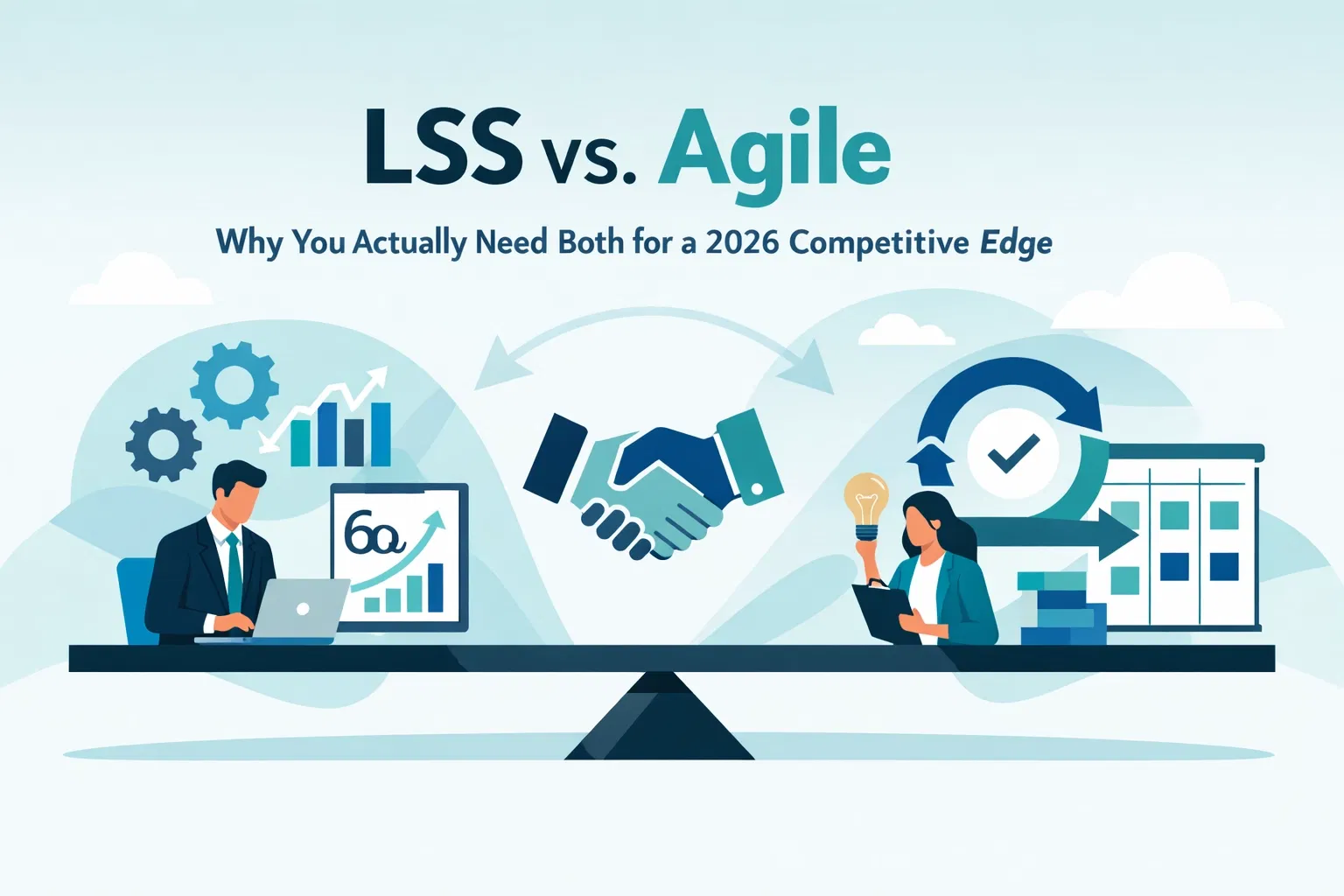
In the realm of enterprise transformation, the primary challenge facing modern organizations is not a lack of methodologies, but rather the fragmentation of them. For decades, Lean, Six Sigma, and Agile have existed in silos, often competing for resources and executive attention. While Six Sigma provides statistical rigor, Lean focuses on flow, and Agile prioritizes iterative delivery, the absence of a unified orchestration layer frequently leads to "transformation fatigue" and localized optimizations that fail to move the needle at an enterprise level.
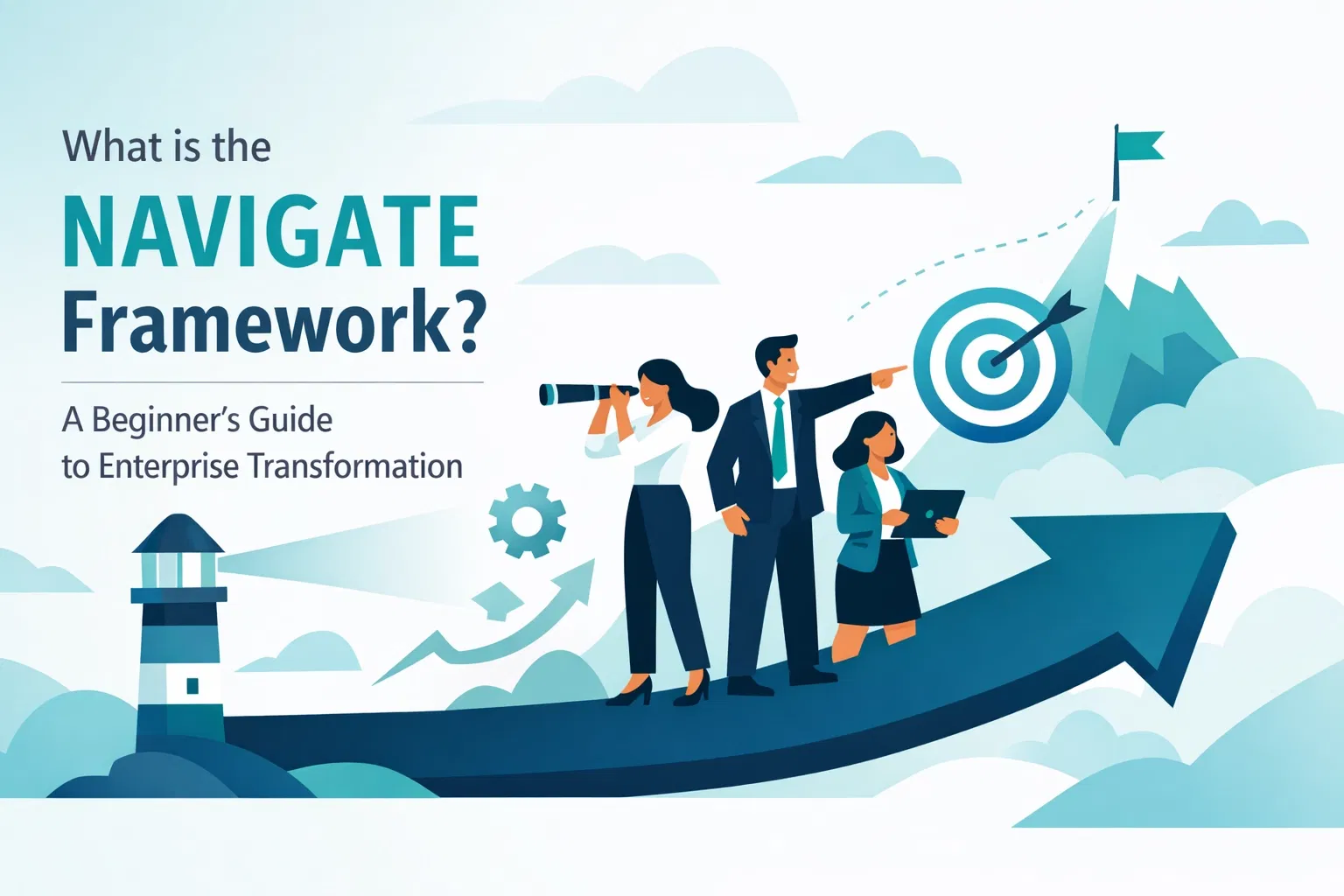
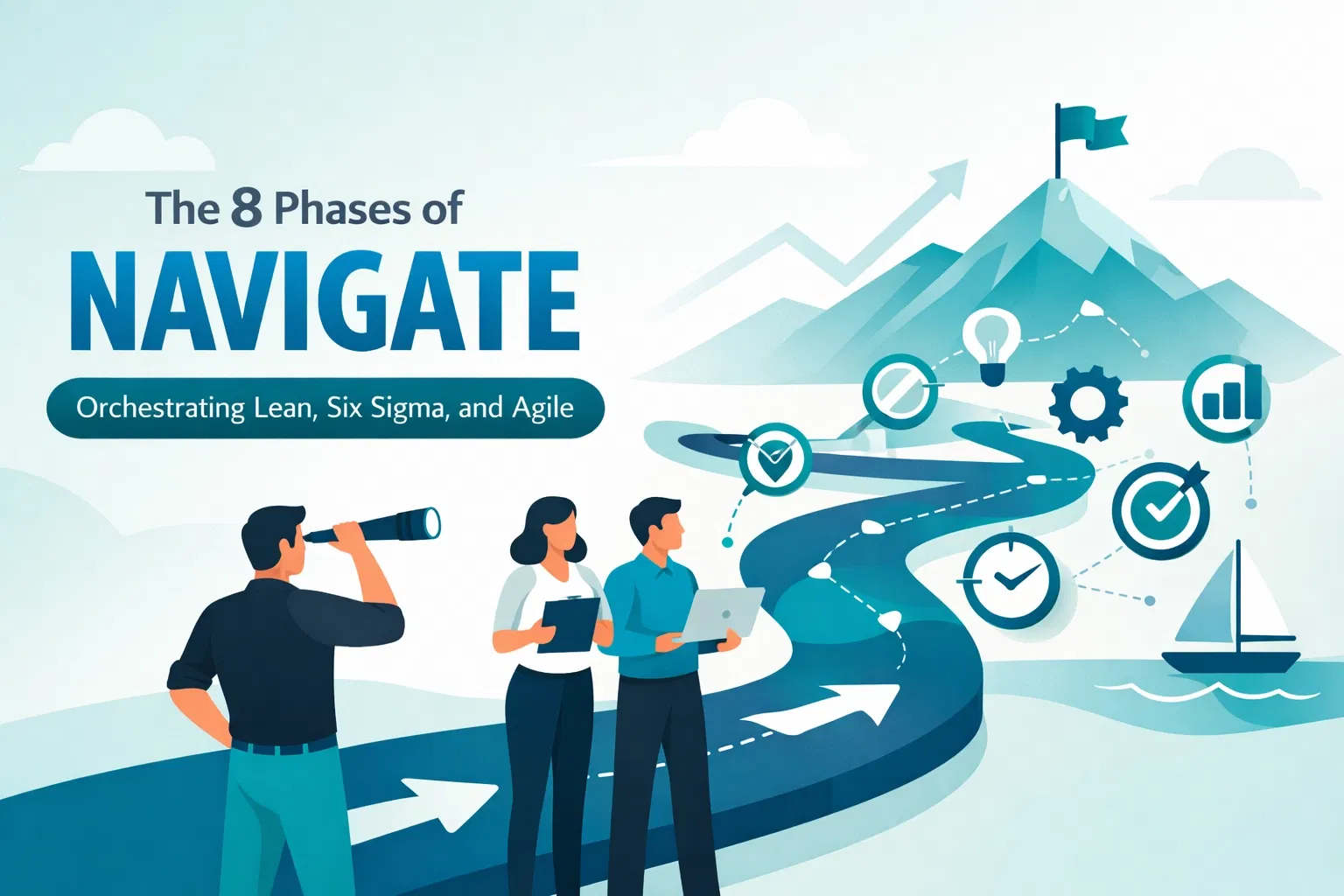
The fundamental purpose of the NAVIGATE™ Framework is to provide this missing architecture. By integrating the structured improvement of DMAIC with the adaptive speed of Agile, NAVIGATE offers a non-linear, 8-phase roadmap designed to guide organizations through complex shifts. To fully appreciate the depth of this framework, one must understand how each phase builds upon the last to create a cohesive, resilient operational model.
Phase 1: Need The Shift
Enterprise-level change must never be initiated for the sake of novelty. In this initial phase, organizations must recognize and validate the internal or external signals demanding transformation. Using the Need Signal Grid™, leadership teams assess strategic readiness and ensure the "Why" is anchored in operational necessity.
Without a clear "Need the Shift" consensus, transformations often stall at the middle-management layer. Key activities in this phase include:
- Analyzing market volatility and competitive pressure.
- Identifying "burning platforms" within current operational metrics.
- Utilizing tools like the Project Selection Scoring Calculator to determine if the proposed shift aligns with high-level strategic goals.
Phase 2: Assess The Terrain
Once the need is established, the organization must perform a deep diagnostic of its internal landscape. In the NAVIGATE framework, this is achieved through the Dual Lens Diagnostic. This involves examining the organization through two distinct viewpoints: the technical capability (processes, tools, data) and the cultural readiness (mindsets, behaviors, leadership support).
To establish an accurate starting point, practitioners often look at Baseline Metrics, which provide the quantitative data necessary to justify subsequent interventions. This phase prevents the common mistake of applying a "one-size-fits-all" solution to a unique organizational topography.

Phase 3: Visualize The Architecture
Transformation requires a blueprint. Phase 3 focuses on defining the future-state structure through the Role Resonance Matrix. This is where the organization clarifies how roles, responsibilities, and systems must align to support the new way of working.
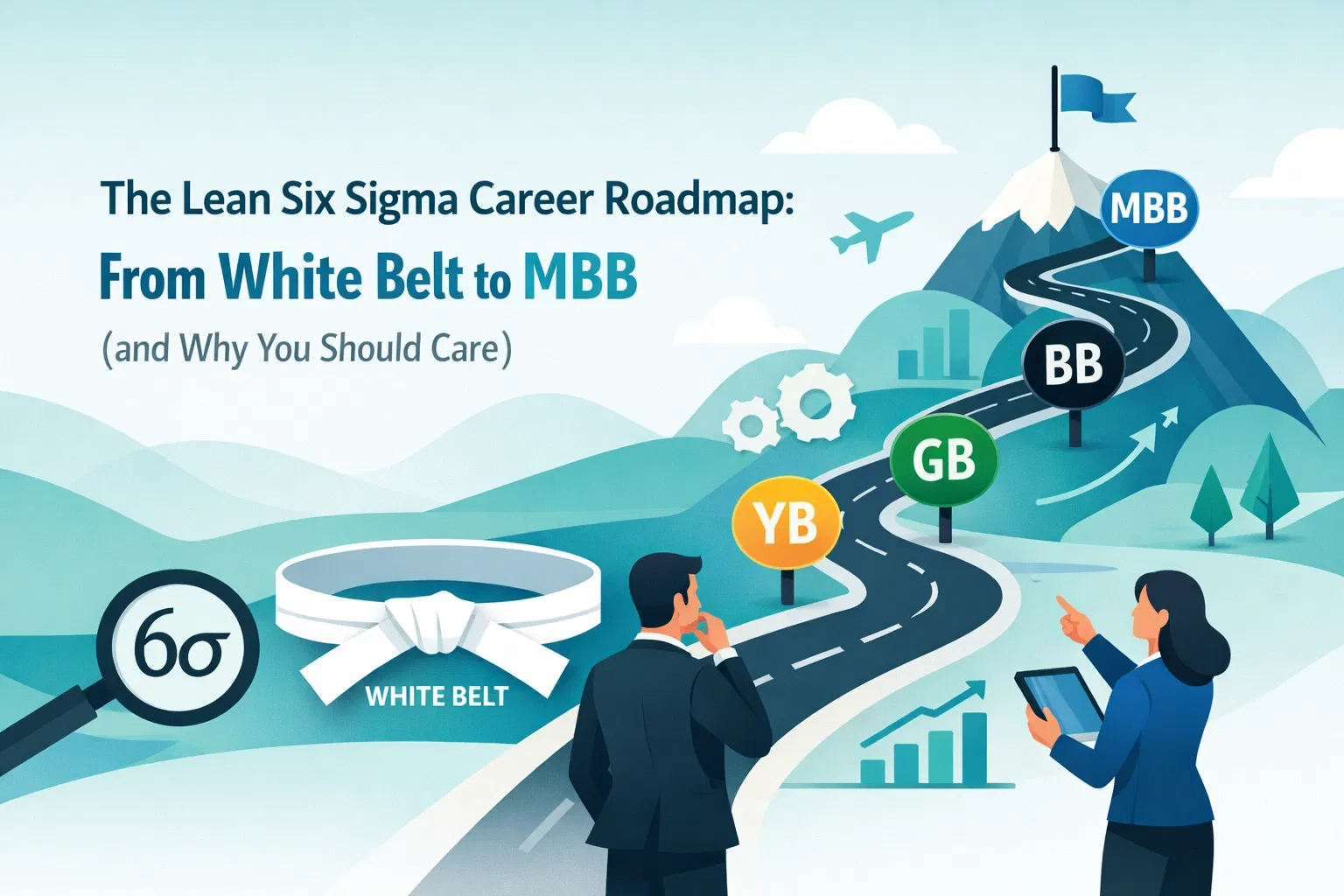
In the context of Lean 6 Sigma Hub, this phase often involves identifying the specific mix of Green Belts, Black Belts, and Agile Scrum Masters required to sustain the architecture. It is about designing an ecosystem where decision-making authority is correctly placed and where the flow of value is unobstructed by outdated hierarchical boundaries.
Phase 4: Identify The Drift
Over time, even the best-designed processes experience "drift": a gradual deviation from intended outcomes due to changing customer needs or internal entropy. The Flow Drift Analysis Canvas™ is the primary tool used in this phase to detect where value is leaking and where customer experience is becoming inconsistent.
By utilizing a SIPOC Complexity Score Calculator, organizations can quantify the "drift" in their high-level processes. This phase provides the data-informed basis for setting improvement priorities, ensuring that resources are directed toward the areas of greatest impact rather than the "loudest" problems.
Phase 5: Generate The Delta
This is the execution engine of the NAVIGATE framework. Unlike traditional models that force a choice between methodologies, Phase 5 utilizes the Dual Path Execution Model™. This model allows organizations to pursue two distinct paths based on the nature of the problem:
- The DMAIC Path: For complex, root-cause unknown problems requiring statistical rigor and Six Sigma tools.
- The Agile Path: For rapid, iterative enhancements where requirements may evolve.
During this phase, tools such as the FMEA Scoring are employed to mitigate risks during the "Improve" or "Build" stages. The objective is to generate the "Delta": the measurable difference between the current state and the optimized future state.
Phase 6: Anchor The Change
A common failure in transformation is the "snap-back" effect, where processes revert to their old state once the project team departs. Phase 6 focuses on institutionalizing improvements. This involves embedding new practices into standard operating procedures (SOPs) and creating Effective Escalation Procedures.
The goal is to move from a "pilot" mindset to a "permanent" mindset. Key steps include:
- Formalizing Process Documentation.
- Implementing visual management systems to monitor performance in real-time.
- Ensuring that ownership of the process is successfully handed back to the operational business owners.
Phase 7: Transfer The Culture
Phase 7 shifts the focus from the process to the people. To create "cultural stickiness," transformation must be embedded into organizational behaviors. This phase is about Building a Culture Where Improvements Stick.
Transferring the culture involves knowledge management: ensuring that the insights gained during the "Generate the Delta" phase are shared across the enterprise. It requires a shift from viewing Lean Six Sigma as a "project" to viewing it as "the way we work." Without this cultural transfer, the organization remains dependent on a few experts rather than developing a self-healing, self-improving DNA.
Phase 8: Evolve Continuously
The final phase recognizes that transformation is not a destination but a journey. The Transformation Renewal Loop™ institutionalizes feedback and learning through structured 90-day cycles. This allows the organization to:
- Revisit assumptions made in Phase 1.
- Harvest insights from recent successes and failures.
- Recalibrate the strategy based on new market data.
By operating in these 90-day bursts, the organization remains agile and responsive, making transformation a habitual practice. Regular Process Audits are essential here to verify that the gains are being maintained and to identify the next "Need the Shift" signal.
The Power of Integration
The NAVIGATE™ Framework does not replace Lean, Six Sigma, or Agile; it orchestrates them. Its non-linear nature means that while the phases provide a logical progression, organizations can enter at different points based on their maturity. A business unit might be "Identifying the Drift" (Phase 4) while another is already "Anchoring the Change" (Phase 6).
By adopting this architectural approach, leaders move away from fragmented toolkits and toward a comprehensive transformation system that delivers sustainable, bottom-line results. Whether you are looking to scale a single pilot or overhaul an entire global enterprise, the 8 phases of NAVIGATE provide the clarity and structure needed to succeed in an increasingly complex business environment.
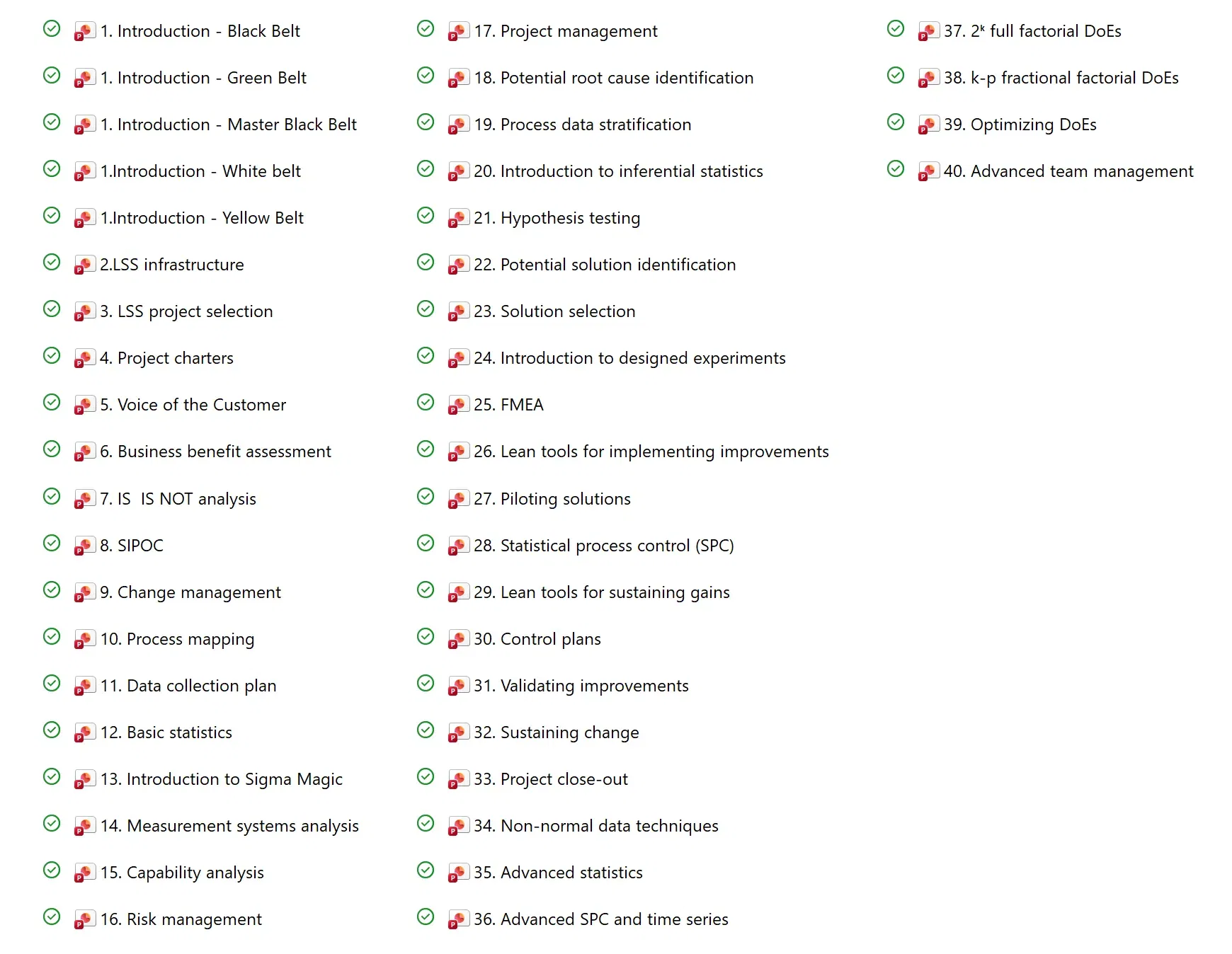
If you are ready to lead your organization through a high-impact transformation, we invite you to explore our advanced certification programs. Empower your career and your company by mastering the tools of the future.