In the realm of modern operational excellence, the pursuit of efficiency is no longer a luxury but a fundamental necessity for survival. As we progress through 2026, the global marketplace has become increasingly intolerant of waste, variability, and stagnation. Organizations that once viewed process improvement as a discretionary expense are now recognizing it as their most potent financial lever.
The fundamental purpose of this shift is grounded in a singular, compelling metric: Return on Investment (ROI). Current data suggests that organizations implementing disciplined Lean Six Sigma (LSS) methodologies are achieving a 4.5x to 6x ROI on their initial training investment. Furthermore, the average financial impact of a single successfully executed project has stabilized at approximately $230,000. To fully appreciate these figures, one must look beyond the surface level of "efficiency" and dissect the technical mechanics of how Lean Six Sigma generates such profound economic value.
The Economic Architecture of Lean Six Sigma
The primary driver of high ROI in Lean Six Sigma is its ability to identify and eliminate the "hidden factory": the portion of an organization's capacity that is dedicated to correcting mistakes, re-processing orders, and managing waste. Research indicates that the Cost of Poor Quality (COPQ) typically consumes 15–20% of sales revenue in unoptimized organizations. By systematically reducing this drain, Lean Six Sigma converts lost capital back into bottom-line profit.
This financial transformation is typically categorized into two distinct streams: tangible and intangible benefits.
Tangible Benefits: The Hard Savings
Tangible benefits, often referred to as "hard savings," are direct, measurable financial improvements that appear on a company’s balance sheet. These are the metrics that CFOs and executive leadership prioritize when evaluating the success of an initiative.
- Direct Material and Labor Savings: By utilizing tools such as Value Stream Mapping, organizations can identify non-value-added steps in a process. Removing these steps leads to an immediate reduction in labor hours and material consumption.
- Reduction in Inventory Carrying Costs: Excess inventory is capital tied up in a non-liquid state. Lean Six Sigma projects often focus on optimizing supply chains and production schedules to minimize WIP (Work in Progress), thereby freeing up significant cash flow.
- Decreased Warranty Claims and Returns: In the manufacturing and service sectors, defects lead to costly returns and repairs. Reducing the Sigma level of a process directly correlates with a lower defect rate, slashing the expenses associated with post-sale support.
- Optimized Energy and Utility Consumption: Especially relevant in 2026, Green Lean Six Sigma initiatives focus on reducing the carbon footprint and energy waste, providing a dual benefit of sustainability and cost reduction.

Intangible Benefits: The Strategic Value
While hard savings are easier to quantify, intangible benefits: or "soft savings": often provide the long-term competitive advantage that sustains an organization.
- Enhanced Customer Experience: By aligning processes with the Voice of the Customer (VOC), organizations ensure that their outputs meet exact customer requirements, leading to higher retention and brand loyalty.
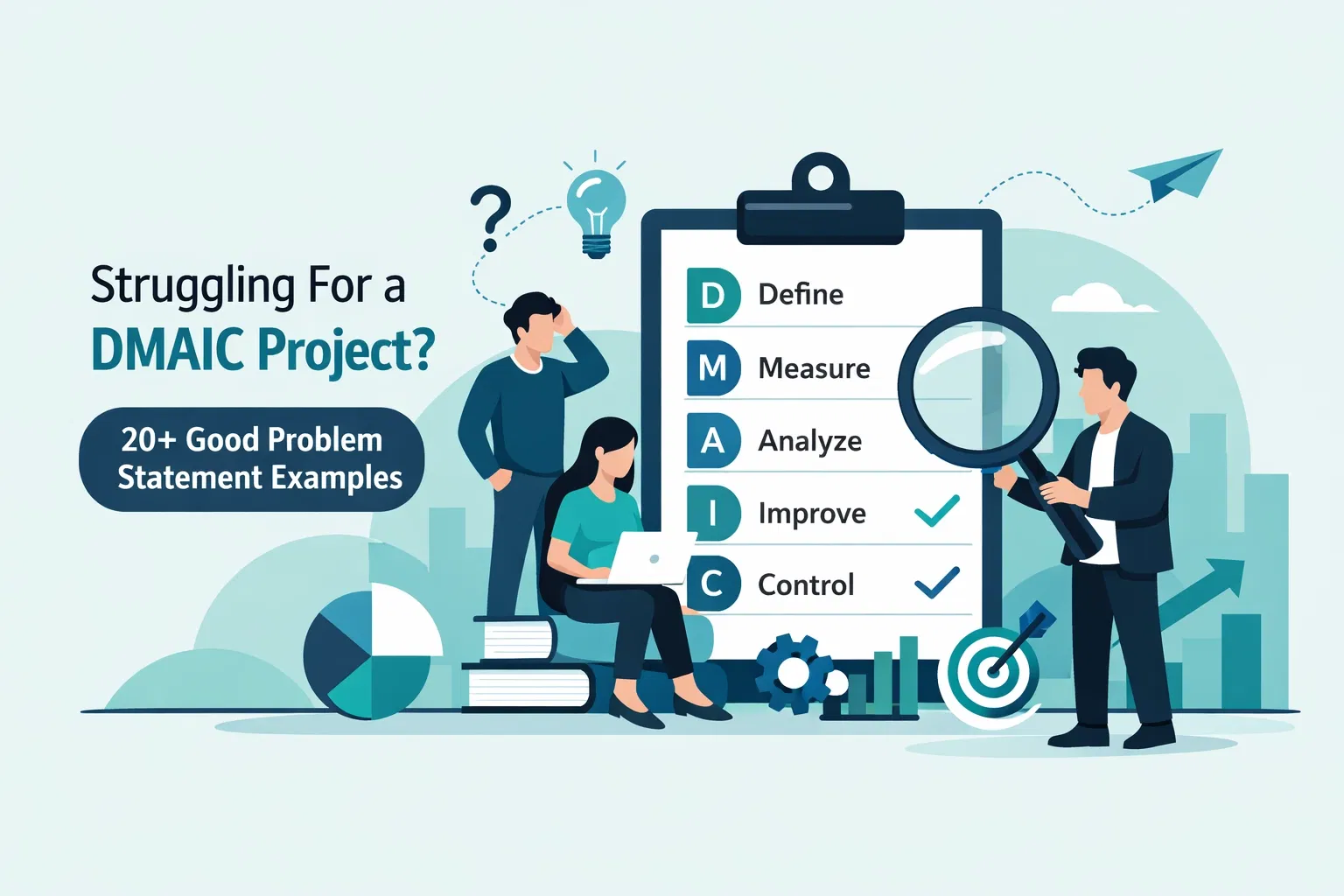
- Organizational Agility: A workforce trained in DMAIC (Define, Measure, Analyze, Improve, Control) is more capable of adapting to market shifts. This cultural transformation fosters a proactive rather than a reactive environment.
- Employee Morale and Retention: Employees who are empowered with the tools to fix broken processes experience less frustration and higher job satisfaction, reducing the substantial costs associated with staff turnover.
The Scalable ROI of Professional Certification
The tiered structure of Lean Six Sigma certification is designed to provide escalating value to an organization. Each "Belt" level represents a different scale of financial impact and strategic responsibility.
The Foundation: Yellow Belts
Yellow Belts typically focus on localized waste and "quick win" savings. While their individual projects may be smaller in scope, the cumulative effect of a fleet of Yellow Belts can be substantial. They act as the "eyes and ears" on the front lines, identifying inefficiencies before they escalate. Organizations often begin their journey with Lean Six Sigma Yellow Belt online training to build a baseline of process awareness.
The Workhorses: Green Belts
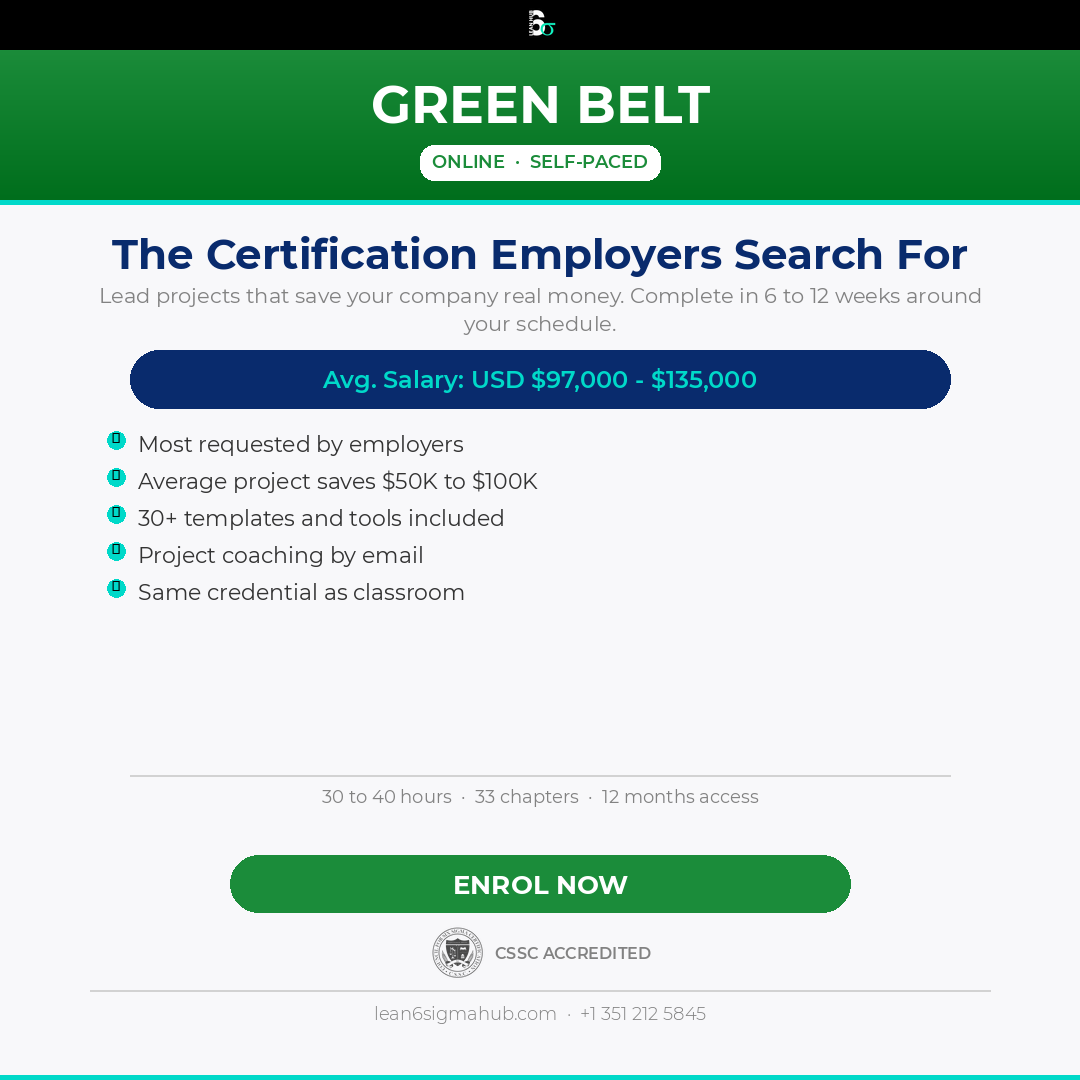
Green Belt practitioners are the primary drivers of cross-functional improvement. A typical Green Belt project targets $50,000 to $100,000 in annual savings. By applying statistical analysis to departmental issues, they stabilize processes and ensure that improvements are sustained over time.
The Strategic Leaders: Black Belts
Black Belts address systemic variation and enterprise-level challenges. These individuals are often dedicated full-time to process improvement, leading complex projects that yield $175,000 to $250,000 in savings. The advanced statistical rigor taught in Lean Six Sigma Black Belt online training allows these professionals to tackle the root causes of variation that simpler methods might overlook.
The Visionaries: Master Black Belts
At the pinnacle of the hierarchy, Master Black Belts shape the entire organizational strategy. They are responsible for training, mentoring, and ensuring that the deployment aligns with the overarching business goals. The earning potential for these roles reflects their value, with many surpassing the $200,000+ salary mark due to their ability to oversee multi-million dollar savings portfolios. For those leading an enterprise-wide deployment, Master Black Belt certification is the gold standard.
Governance: Ensuring the 3:1 Minimum Threshold
To maintain a consistent 6x ROI, high-performing organizations implement strict governance protocols for project selection. It is common practice to establish a minimum ROI threshold of 3:1 for project approval. This ensures that resources: both human and financial: are directed toward initiatives with the highest potential for impact.
Tools such as the Project Selection Scoring Calculator and the Project Charter ROI Calculator are essential in this phase. By quantifying the expected return before a project even begins, leadership can make data-driven decisions about which "fire" to put out first.

The 2026 Context: AI and the Future of ROI
As we look at the landscape in March 2026, the integration of Artificial Intelligence has further amplified the ROI of Lean Six Sigma. AI is not a replacement for LSS; rather, it is a powerful accelerant. AI-driven data analysis can process vast amounts of process data in seconds, identifying patterns that would take a human practitioner weeks to uncover.
However, the human element remains irreplaceable. While AI can identify a correlation, the Lean Six Sigma practitioner provides the context, the "Why," and the change management expertise required to implement a solution. The debate of AI vs. Human Analysis highlights that the most successful organizations are those that use AI to enhance their LSS toolkit, not replace it.
Conclusion: The Path to Quantitative Excellence
The data is unequivocal: Lean Six Sigma is not merely a quality initiative; it is a financial strategy. By recovering the 15–20% of revenue lost to poor quality and achieving an average $230,000 return per project, organizations can secure their financial future even in volatile markets.
Whether you are an individual looking to increase your market value or an executive seeking to revitalize your organization’s bottom line, the methodology provides a proven, rigorous framework for success. The transition from mediocrity to excellence begins with the decision to measure, analyze, and improve.
Take the first step toward achieving a 6x return on your career or organization by enrolling in our accredited professional certification programs today.