
If you walk through any corporate office or log into a enterprise video conferencing platform at 9:00 AM on a Monday, you will witness one of the greatest paradoxes of modern business: highly intelligent, motivated professionals spending 30 to 40 hours a week trapped in rooms: virtual or physical: accomplishing remarkably little.
We obsess over reducing waste on the factory floor, optimizing supply chain velocity, and shaving milliseconds off software load times. Yet, when it comes to knowledge work and calendar management, leadership often accepts chronic inefficiency as the cost of doing business. In the realm of operational excellence, this is a glaring blind spot.
Every redundant sync, every status update meeting that could have been an email, and every brainstorming session without an agenda represents pure muda (waste) quietly eroding your organization's bottom line. To eliminate this invisible drag on productivity, we must apply rigorous Lean Six Sigma principles to our meeting culture and office processes.
Understanding Meeting Muda: The Toyota Production System Meets the Boardroom
In manufacturing, Taiichi Ohno identified seven core categories of waste within the Toyota Production System. While originally designed to eliminate physical inefficiencies in car production, these exact same wastes manifest with alarming frequency in our daily calendars.
When applied to office processes, cycle time measures how long it takes to move a decision or project from inception to execution, while queue time measures how long that same item sits idle, waiting for the next meeting or approval checkpoint. When queue times dwarf actual cycle times, your organization is suffering from severe operational bloat.
Let’s examine how the classic TIMWOOD framework maps directly to your calendar:
- Transportation: Moving information or people around needlessly: such as switching between three different collaboration tools mid-meeting or hunting for buried files across shared drives.
- Inventory: Accumulated "decision backlogs" where critical choices are stacked up on a calendar agenda because meetings are treated as the sole venue for problem-solving.
- Motion: Unnecessary cognitive switching, where attendees jump between unrelated topics without structured framing.
- Waiting: Precious minutes lost waiting for late attendees, scrambling for data, or waiting for senior leaders to chime in.
- Overproduction: Hosting recurring meetings with excessive headcounts or generating massive slide decks that nobody reads or acts upon.
- Overprocessing: Polishing presentation decks to perfection or holding extensive post-decision debates after consensus has already been reached.
- Defects: Ambiguous outcomes, missing action items, and unassigned responsibilities that necessitate follow-up clarification meetings next week.
Recognizing these symptoms is the first step toward reclaiming operational bandwidth. But diagnosing the disease requires more than casual observation: it demands structured problem definition.
Defining the Pain: Good Problem Statement Examples for Office Processes
Before you can fix a broken meeting culture, you must articulate the exact problem you are trying to solve. In professional process improvement, a weak problem statement relies on vague generalizations like "our meetings take too long." A robust, data-driven problem statement provides precise context, magnitude, and impact.
Consider these good problem statement examples tailored for office environments:
- Example 1: "Due to lack of pre-reading standards and undefined decision owners, weekly project review meetings experience an average queue time delay of 18 minutes per session, resulting in 450 hours of lost productive engineering time across 15 staff members annually."
- Example 2: "Recurring status-update meetings account for 35% of middle management weekly schedules, creating excessive overproduction and extending project delivery cycle times by an average of 4 business days per milestone."
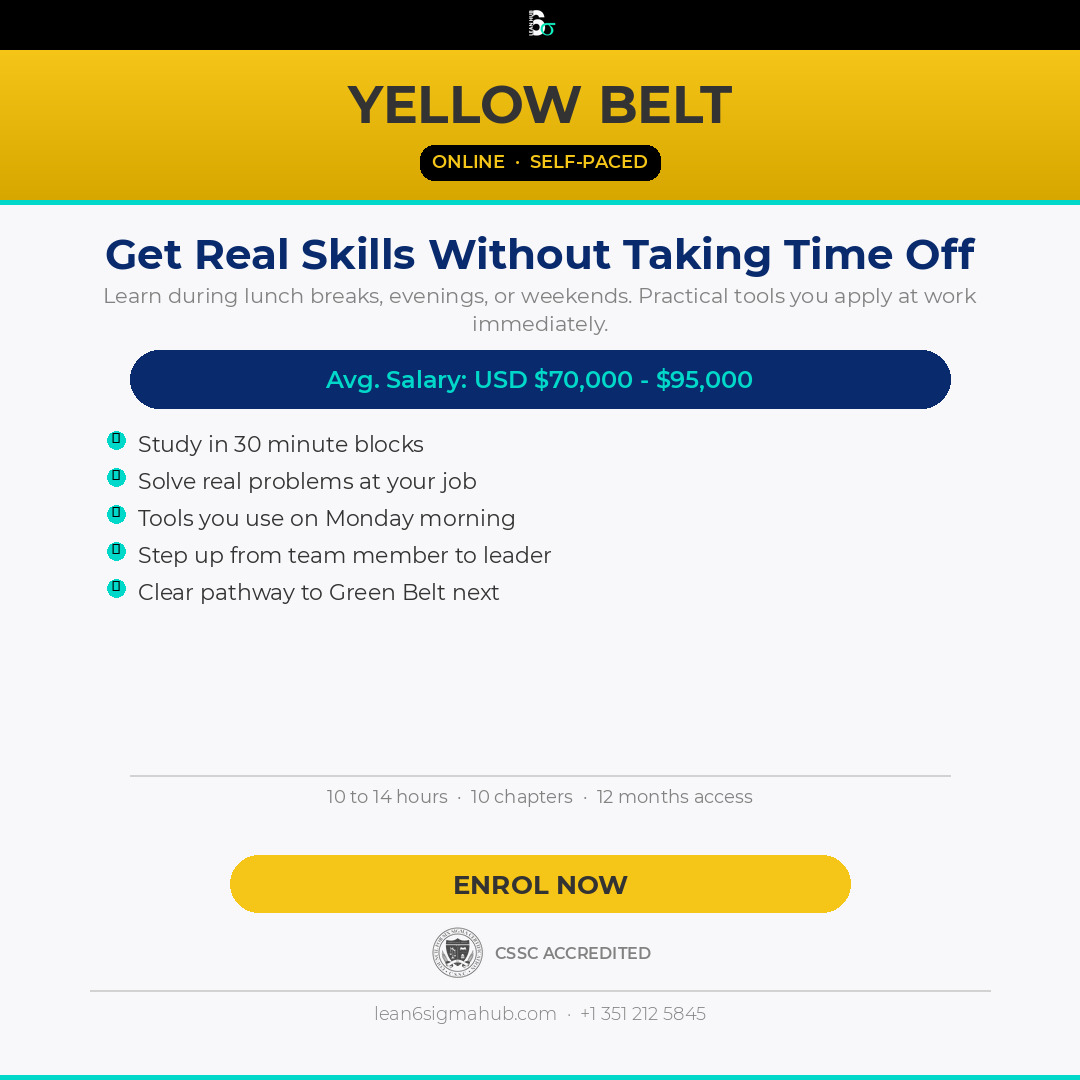
By anchoring your observations in hard metrics, you secure leadership buy-in and transition from emotional complaints to objective operational analysis. For those looking to master root-cause identification and data gathering, exploring a Lean Six Sigma Yellow Belt online training program provides the exact tools needed to map out these office bottlenecks.
How to Run a Kaizen Event on Your Calendar
A Kaizen event: or rapid improvement workshop: is traditionally used to reconfigure factory layouts or streamline assembly lines. However, you can deploy the exact same methodology to overhaul your team's calendar and administrative workflows in a single week.
Here is a step-by-step protocol for executing a Calendar Kaizen:
Step 1: Audit and Categorize (The Gemba Walk of the Calendar)
Have every team member export their calendar for the past 30 days. Color-code each meeting into three buckets:
- Value-Add (V): Direct decision-making, creative problem-solving, or critical alignment that unblocks active projects.
- Necessary Non-Value-Add (NNVA): Compliance reporting, statutory reviews, or essential syncs that must be streamlined.
- Pure Waste (Muda): Status updates where one person talks while eleven people passively listen.
Step 2: Measure Cycle and Queue Times
Calculate the ratio of active working hours to meeting hours. Identify where work items stall because they are trapped waiting for the next recurring committee review.
Step 3: Redesign the Meeting Architecture
Apply lean flow principles to your schedule:
- Time-box rigorously: Cut default 60-minute meetings to 25 or 50 minutes to force concise communication.
- Enforce pre-read discipline: Mandate that all background documents be reviewed 24 hours in advance, transforming the meeting from a broadcast session into a debate-and-decision forum.
- Adopt asynchronous updates: Replace status-check meetings with structured written stand-ups on project management boards.
Step 4: Implement Control Standards
Lock in your gains by establishing a strict meeting charter. Every recurring meeting must feature an explicit purpose, a designated decision-maker, and a mandatory "definition of done."
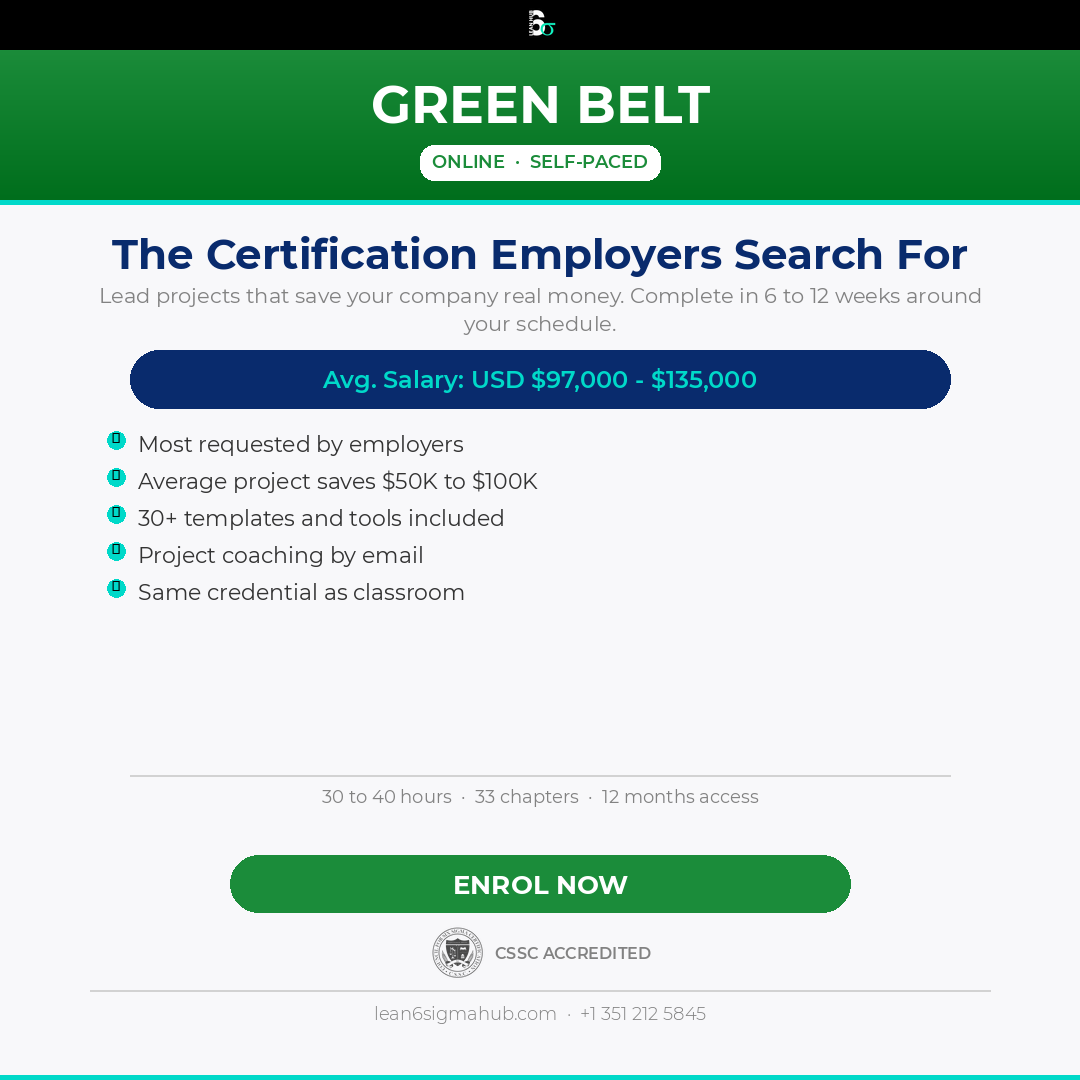
To build intermediate skills in data-driven project management and process control, practitioners often advance through a structured Lean Six Sigma Green Belt online training curriculum.
Scaling Operational Excellence Across the Enterprise
Eliminating calendar muda is rarely a standalone fix; it is often the gateway to broader organizational transformation. When teams learn to spot waste in meeting agendas, they naturally begin questioning inefficiencies in software handoffs, approval workflows, and customer onboarding pipelines.
Mastering these methodologies at scale requires structured career development and recognized credentials. Organizations and professionals worldwide rely on comprehensive pathways like those offered by Lean 6 Sigma Hub, ranging from foundational awareness to enterprise leadership.
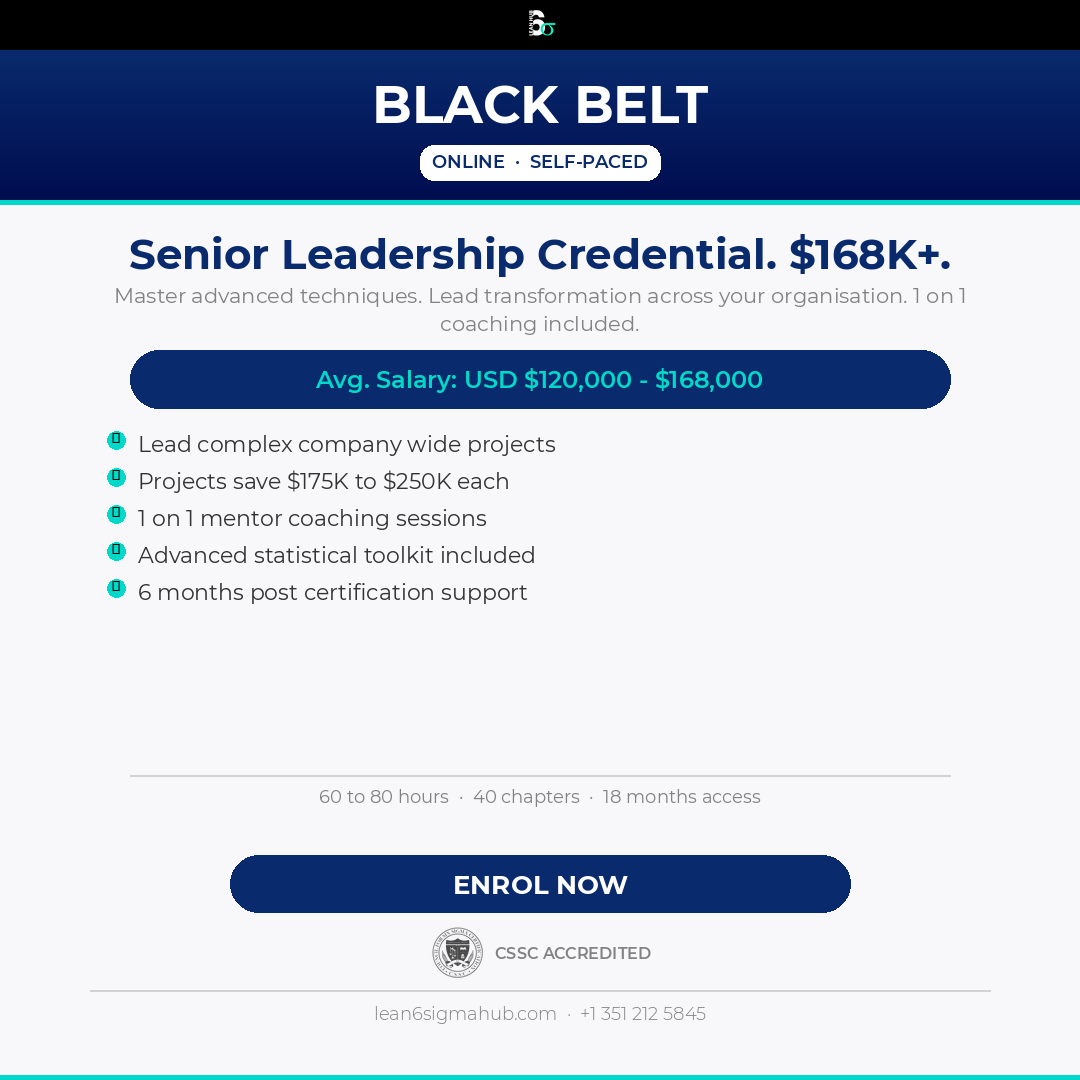
Whether you are looking to lead enterprise-wide transformations with a Lean Six Sigma Black Belt online training certification or kick off your continuous improvement journey with foundational principles, structured training ensures your improvements stick.
Take Control of Your Time and Productivity
Your calendar is a physical manifestation of your operational priorities. Letting muda run rampant in your meetings drains team morale, bloats operational costs, and stretches cycle times beyond recognition. By treating office processes with the same analytical rigor applied to manufacturing floors, you can eliminate bottlenecks, empower your team, and restore genuine value to every working hour.
Ready to eliminate waste and elevate your professional career? Explore our CSSC-accredited, self-paced certification courses today at Lean 6 Sigma Hub and start mastering the principles of true operational excellence.