The landscape of global business has undergone a seismic shift as we navigate the mid-2020s. With the rapid maturation of Artificial Intelligence (AI), the integration of sophisticated automation, and an unprecedented focus on sustainability, many professionals are pausing to evaluate the tools in their intellectual arsenal. A recurring question emerges in executive boardrooms and among career-driven individuals alike: In an era dominated by machine learning and autonomous systems, does a methodology conceived in the 1980s still hold weight?
The definitive answer is yes. In 2026, Six Sigma has not only maintained its relevance but has become the essential framework that prevents digital transformation from descending into digital chaos. To fully appreciate why Six Sigma training is more critical today than ever before, one must look beyond the statistical formulas and understand its role as the foundational logic for the modern high-tech enterprise.
The Foundation of Digital Transformation
A common misconception in the current industrial climate is that AI and automation have rendered process improvement methodologies obsolete. On the contrary, the fundamental purpose of Six Sigma: to reduce variation and eliminate defects: is the prerequisite for any successful AI implementation.
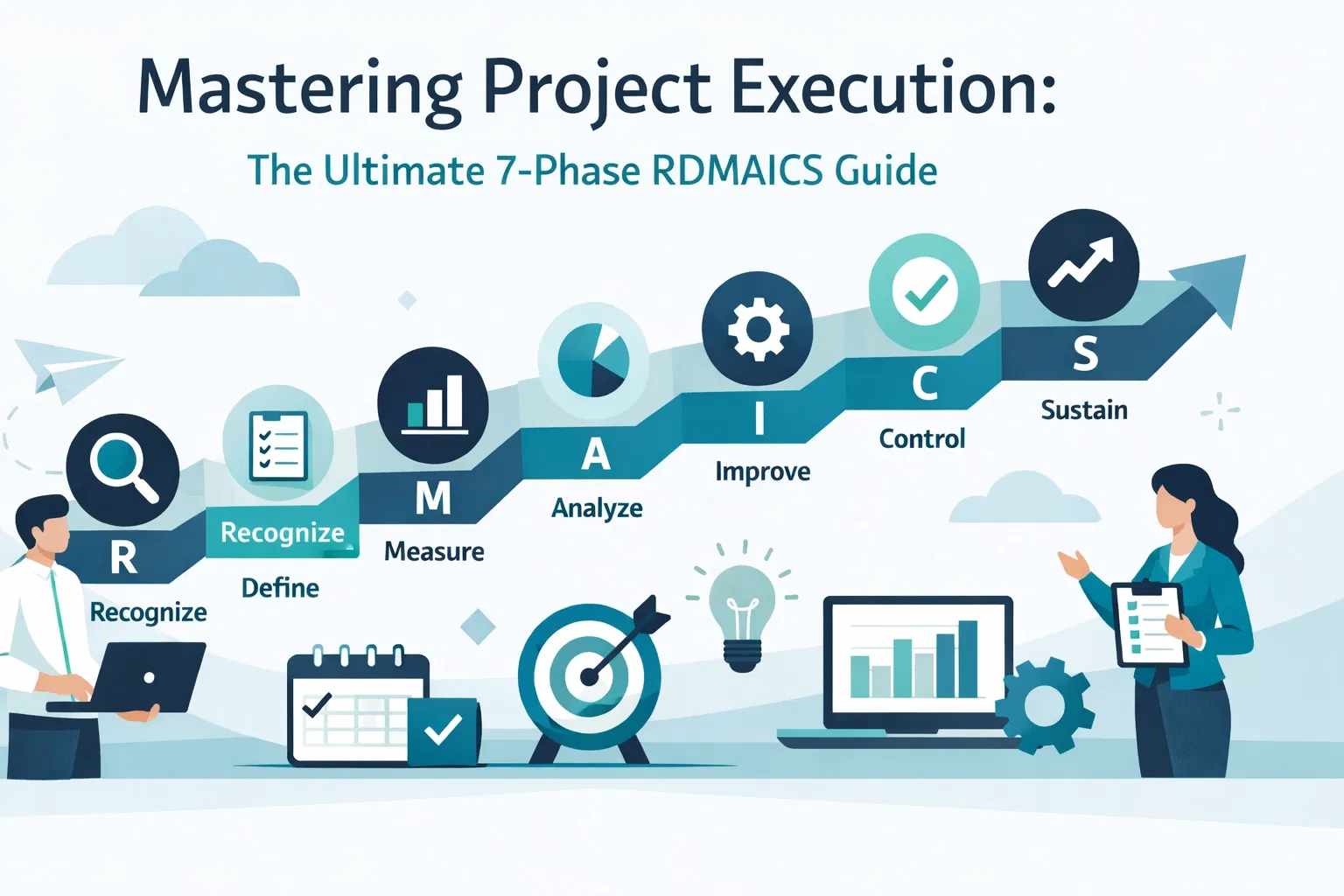
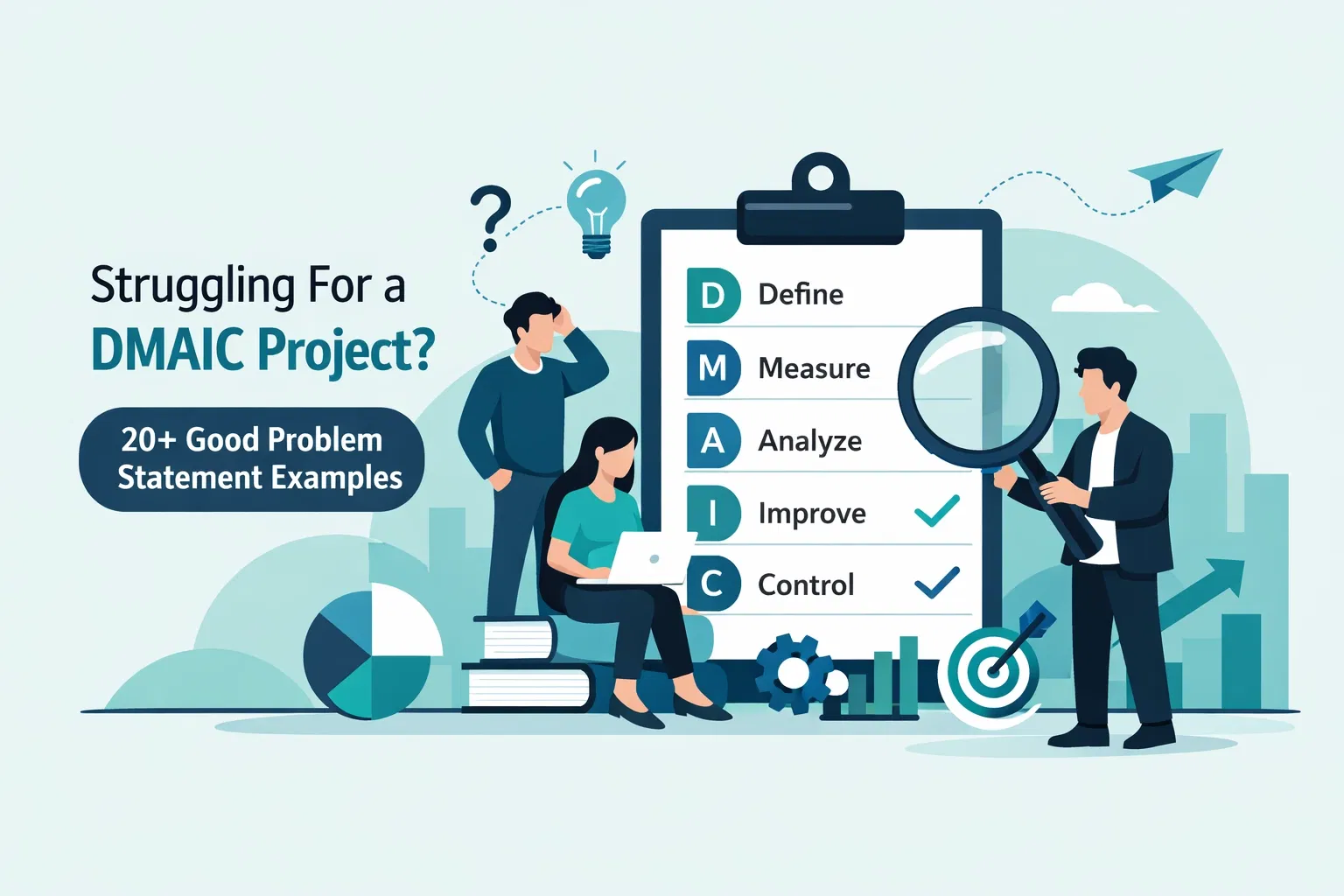
In the realm of process engineering, there is a well-known adage: "Automating a bad process only makes a bad process happen faster." As organizations lean heavily into algorithmic decision-making, the quality of the underlying process determines the success of the technology. Research indicates that 82% of Fortune 100 companies continue to utilize Six Sigma precisely because it provides the clean, structured data environments that AI requires to function. Without the rigorous data hygiene and process stability provided by the DMAIC (Define, Measure, Analyze, Improve, Control) framework, sophisticated technologies often fail to deliver the expected Return on Investment (ROI).

Visual Concept: Minimalistic flat art depicting a digital circuit board merging with a traditional flowchart, using a teal and blue color palette.
Six Sigma and AI: A Synergistic Evolution
By 2026, the application of Six Sigma has evolved into what many experts call "Digital Six Sigma." The methodology is no longer about manually calculating standard deviations on a whiteboard; it is about leveraging massive datasets to achieve unprecedented levels of precision.
The integration of AI has specifically revolutionized the "Analyze" and "Improve" phases. Traditional hypothesis testing, while statistically sound, often struggled with the sheer volume of variables present in modern global supply chains. Today, professionals utilize AI vs. Human Analysis to perform predictive quality control. Instead of identifying why a defect occurred in the past, Six Sigma practitioners now use machine learning models to predict when a defect is likely to occur, allowing for proactive adjustments.
Furthermore, tools like the Critical to Quality (CTQ) Tree Calculator and the SIPOC Complexity Score Calculator have been digitized to integrate directly with real-time operational dashboards. This allows for a level of process transparency that was previously unattainable, reinforcing the methodology's status as the "brain" of the smart factory.
Cross-Industry Proliferation: Beyond Manufacturing
While Six Sigma’s origins are firmly rooted in manufacturing, its application in 2026 has expanded aggressively into service-oriented sectors. The methodology is currently reshaping careers in:
- Healthcare: Reducing diagnostic errors and optimizing patient flow using Dashboard Design for Process Control.
- Finance: Eliminating "waste" in transaction processing and enhancing cybersecurity protocols through rigorous root cause analysis.
- Information Technology: Managing software development lifecycles and reducing the "technical debt" that plagues large-scale cloud migrations.
- Sustainability: Applying Lean principles to reduce carbon footprints and energy consumption: a trend often referred to as "Green Lean Six Sigma."
In these high-stakes environments, the ability to demonstrate a systematic approach to problem-solving is a significant competitive advantage. Employers in 2026 actively recruit certified professionals not just for their technical knowledge, but for their ability to lead complex, data-driven projects in a volatile market.

Visual Concept: Minimalistic icons representing healthcare, finance, and technology connected by a central sigma symbol, in black, white, and teal.
The Economic Imperative: ROI and Career Advancement
From a professional development perspective, the financial incentives for Six Sigma certification remain robust. In a competitive job market, certification serves as a powerful signal of an individual’s leadership potential and analytical rigor. Professionals holding a Lean Six Sigma Black Belt often command salaries exceeding $180,000, reflecting the high value organizations place on those who can deliver measurable financial results.
To understand the tangible impact, consider a hypothetical case study in the logistics sector. By utilizing a Project Charter ROI Calculator, a Green Belt lead identified a 12% inefficiency in last-mile delivery routes. Through the application of Lean Six Sigma principles and an Implementation Timeline, the organization realized a $2.4 million annual saving. It is these concrete, bottom-line improvements that ensure Six Sigma remains the "gold standard" of professional certifications.
Navigating the Certification Path in 2026
For those seeking to future-proof their careers, the path to mastery is more accessible than ever through structured, online learning environments. The journey typically begins with foundational knowledge and progresses through increasing levels of complexity:
- White Belt: An introductory level focusing on the basic terminology and the importance of process improvement. (Explore the White Belt Online Training).
- Yellow Belt: Covers the core concepts and the DMAIC framework, suitable for team members supporting larger projects. (Explore the Yellow Belt Online Training).
- Green Belt: Focuses on advanced statistical tools and leading localized improvement projects.
- Black Belt: Designed for leaders who manage large-scale, cross-functional projects and mentor lower-level belts.
- Master Black Belt: The pinnacle of certification, focusing on organizational strategy and the deployment of Six Sigma across the entire enterprise. (Explore the Master Black Belt Online Training).
Using modern study aids, such as Six Sigma Flash Cards, allows professionals to balance these rigorous academic requirements with the demands of a modern career.
Conclusion: A Methodology Built for the Future
As we look toward the remainder of 2026 and beyond, the relevance of Six Sigma is not in question; rather, it is its integration with emerging technologies that defines the new frontier of process excellence. Whether you are an executive looking to stabilize your organization’s digital infrastructure or an individual professional aiming to increase your marketability, the disciplined, data-driven approach of Six Sigma provides a clarity that "intuition" simply cannot match.
The methodology offers a common language for improvement, a standardized toolkit for analysis, and a proven track record of delivering results in any economic climate. In a high-tech era, the most valuable asset is not the technology itself, but the person who knows how to optimize the processes that the technology serves.
Take the first step toward mastering the future of process excellence by enrolling in a CSSC-accredited certification program today at Lean 6 Sigma Hub.