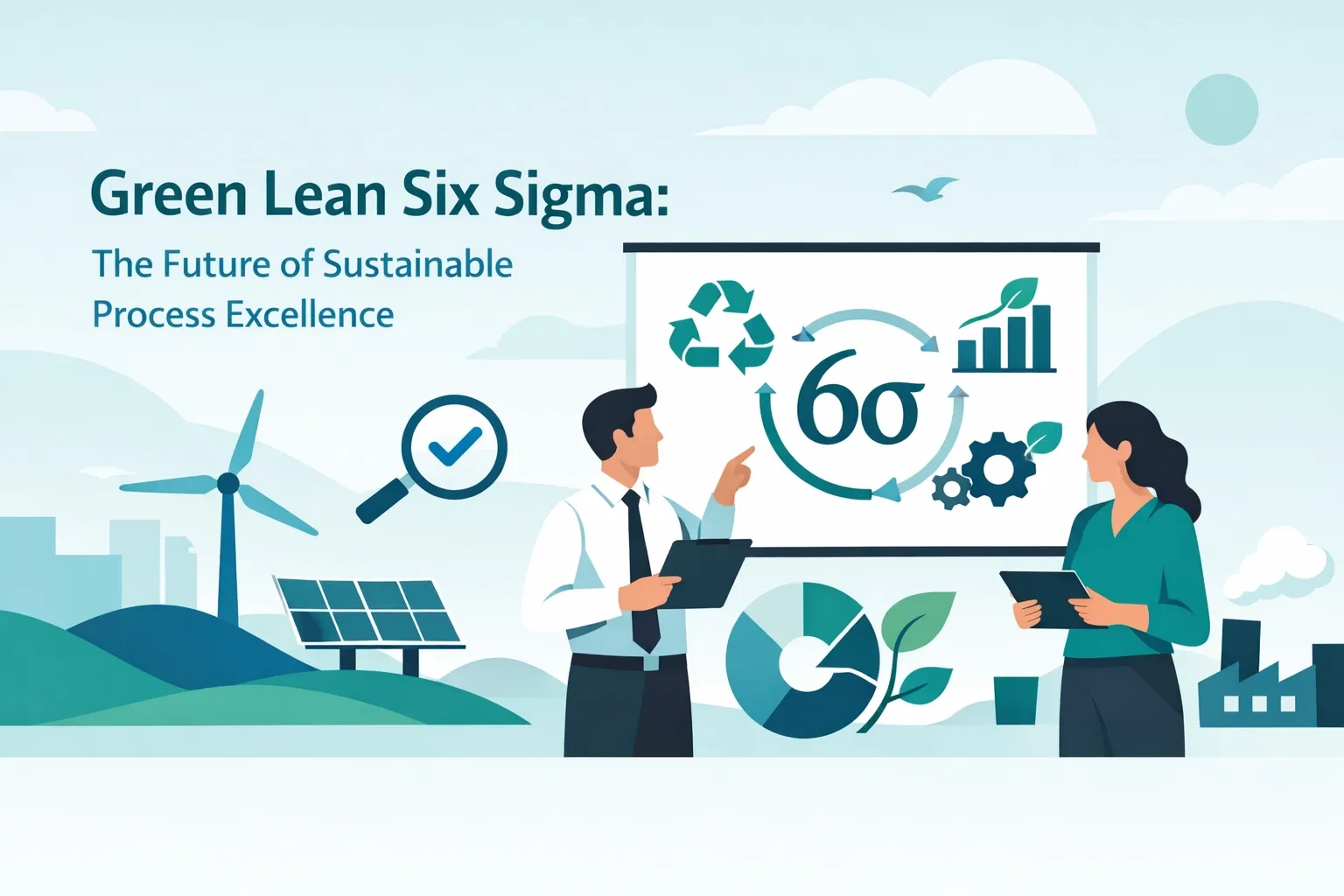
In the current industrial landscape, the paradigm of operational excellence is undergoing a profound transformation. Traditionally, the primary objectives of Lean Six Sigma (LSS) have been the elimination of waste and the reduction of process variation to drive profitability and customer satisfaction. However, as we navigate the year 2026, a new imperative has emerged: sustainability. This has given rise to Green Lean Six Sigma (GLSS), a methodology that integrates environmental management with the proven DMAIC (Define, Measure, Analyze, Improve, Control) framework.
The transition from Industry 4.0, which focused heavily on automation and data exchange, to Industry 5.0 has placed the human element and environmental stewardship at the core of production. For modern organizations, achieving Environmental, Social, and Governance (ESG) goals is no longer a peripheral activity; it is a fundamental requirement for long-term viability.
The Conceptual Framework of Green Lean Six Sigma
The fundamental purpose of Green Lean Six Sigma is to harmonize economic performance with environmental responsibility. While Lean focuses on speed and efficiency, and Six Sigma focuses on quality and precision, GLSS adds a third dimension: ecological impact. By applying the rigorous statistical tools of Six Sigma and the waste-reduction principles of Lean to environmental challenges, organizations can systematically reduce their carbon footprints while simultaneously improving their bottom line.
To fully appreciate the scope of GLSS, one must understand how it expands the traditional definition of waste. In the realm of classic Lean, we identify eight types of waste (DOWNTIME). In a GLSS context, these are supplemented by environmental wastes, such as:
- Excessive Energy Consumption: Non-value-added power usage during idle machine time.
- Water Inefficiency: Unnecessary consumption or contamination of water resources.
- Gaseous Emissions: Carbon dioxide, methane, and other greenhouse gases produced during manufacturing or logistics.
- Material Scrappage: Raw materials that are discarded due to process defects, leading to higher landfill volumes.
Integrating Sustainability into the DMAIC Methodology
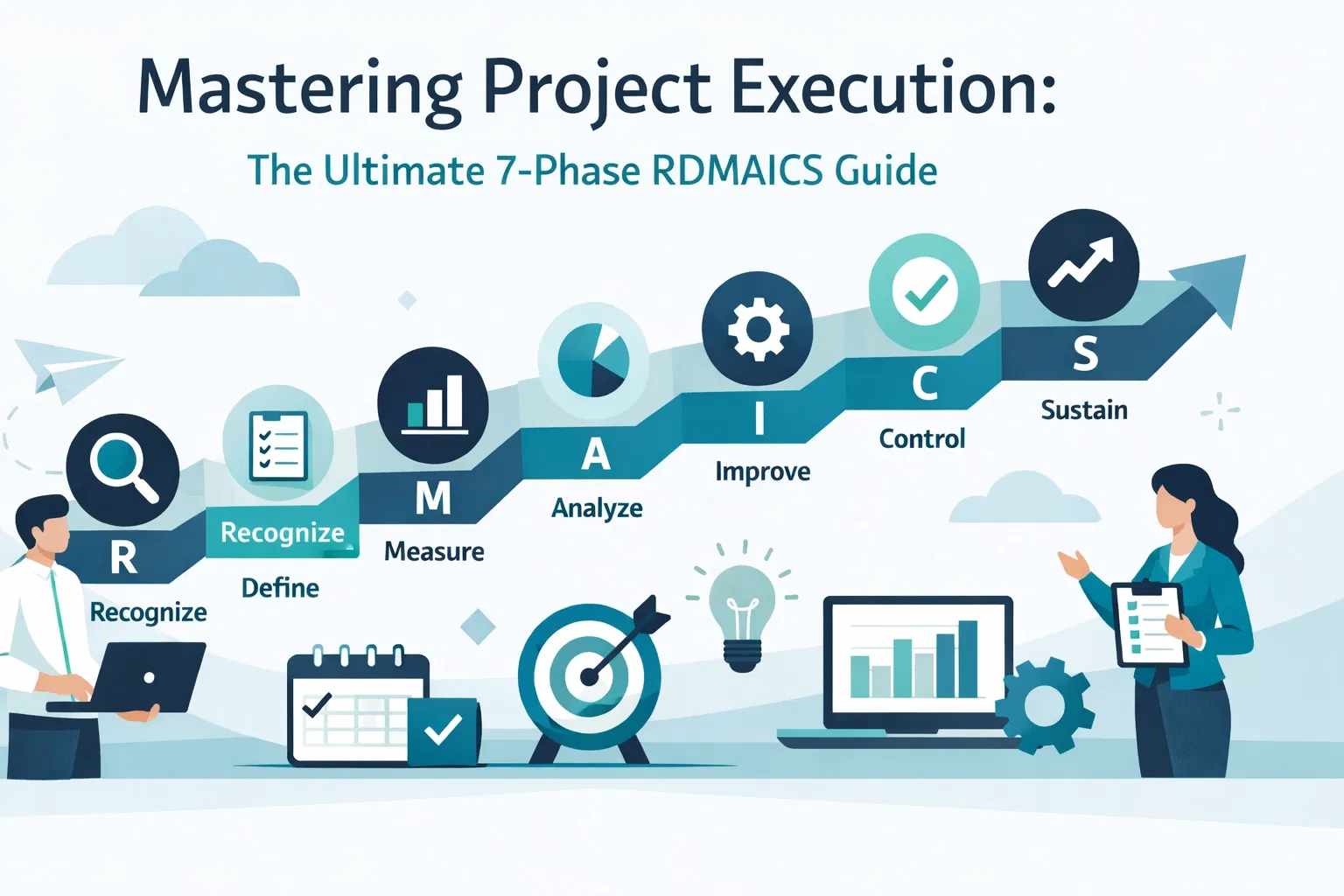
The strength of GLSS lies in its ability to utilize the structured DMAIC approach to solve complex environmental problems. This ensures that sustainability initiatives are data-driven and results-oriented rather than merely performative.
1. Define: Aligning with ESG Goals
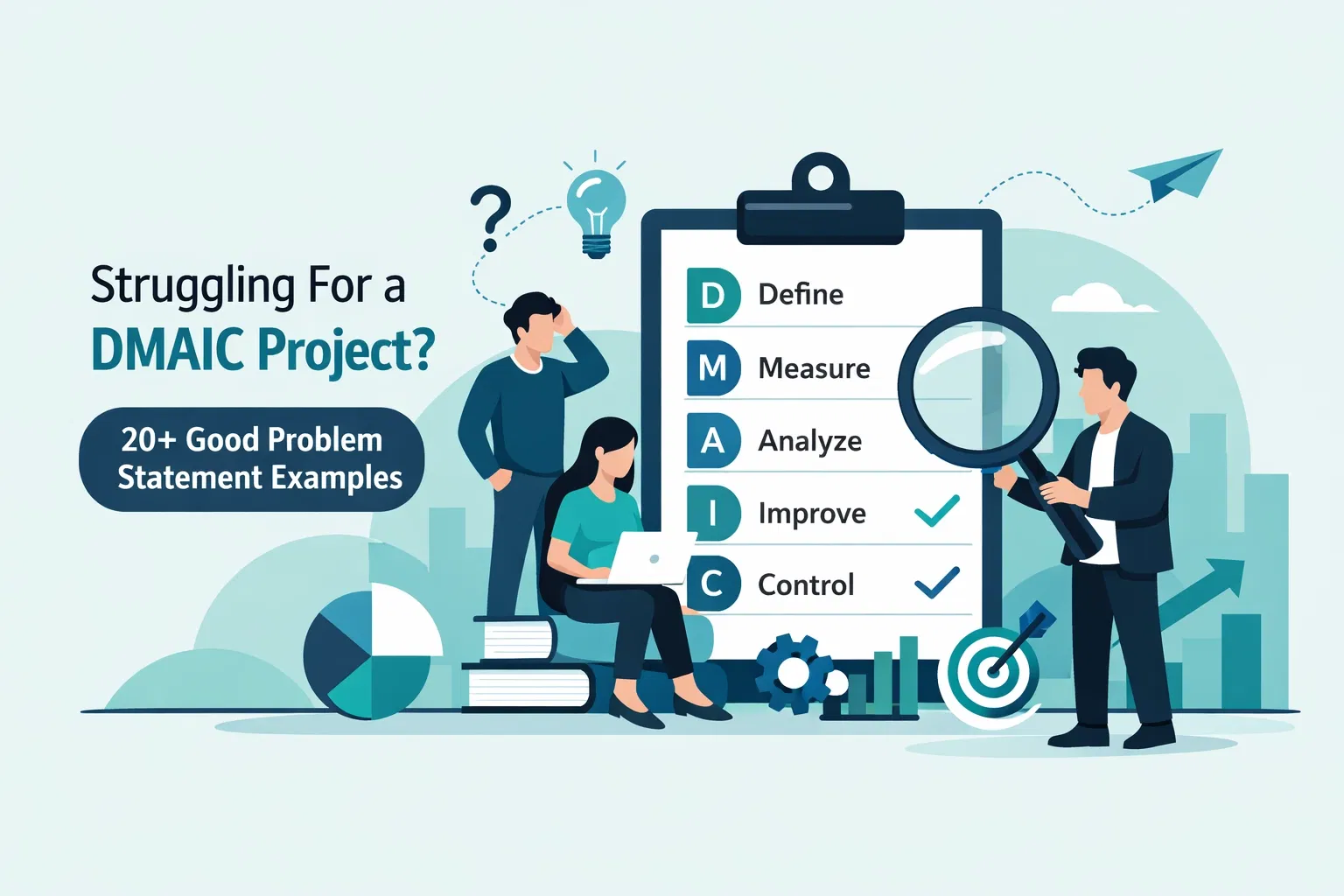
In the Define phase, the scope of a green project is established. Organizations must align their operational goals with their broader ESG commitments. Utilizing a Project Charter Template is critical here to define the environmental "Critical to Quality" (CTQ) characteristics. A project might aim to reduce electricity usage by 15% or decrease hazardous waste by 10 tons per quarter.
Strategic project selection is paramount. Using a Project Selection Scoring Calculator allows leadership to prioritize projects that offer the highest return on both financial and environmental investment.
2. Measure: Quantifying the Environmental Impact
The Measure phase involves establishing a baseline for current environmental performance. This requires sophisticated data collection on metrics such as kilowatt-hours per unit produced or liters of effluent generated. Organizations often employ a SIPOC complexity score calculator to understand the environmental inputs and outputs at every stage of the high-level process.

3. Analyze: Identifying Ecological Root Causes
During the Analyze phase, practitioners use statistical tools to determine the relationship between process variables and environmental waste. For instance, a Black Belt might use regression analysis to find that a specific temperature fluctuation in a furnace is the root cause of both product defects and excessive gas consumption. This phase moves beyond surface-level observations to identify the "vital few" factors that contribute most to the organization's carbon footprint.
4. Improve: Implementing Sustainable Solutions
The Improve phase focuses on developing and piloting solutions. In the context of Industry 5.0, this often involves the collaborative efforts of humans and AI. Practitioners might redesign a workflow to minimize material movement or implement "circular economy" principles where the output of one process becomes the input for another. Before full-scale implementation, a Stakeholder Impact Assessment Calculator should be used to ensure that green changes do not negatively affect employee safety or product delivery schedules.
5. Control: Sustaining the Green Gains
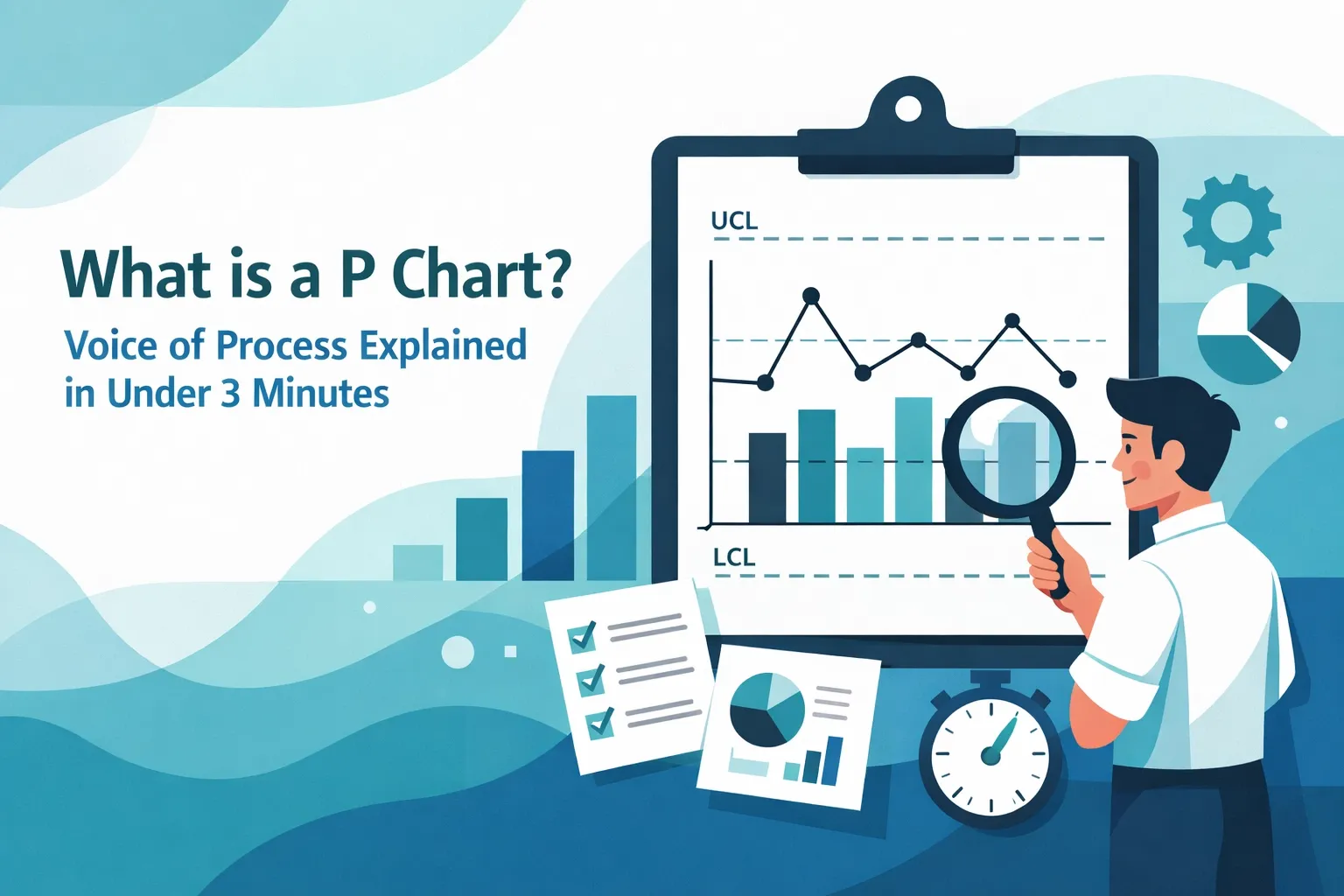
The Control phase ensures that the improvements are permanent. This involves updating Standard Operating Procedures (SOPs) and implementing monitoring systems. Dashboard design for process control becomes vital here, as it allows managers to track real-time energy usage and emission levels alongside traditional production metrics.
Industry 5.0: The Human-Centric Shift
Industry 5.0 represents a shift back toward the human worker, emphasizing a symbiotic relationship between man and machine. In a GLSS framework, this means empowering employees at all levels to identify environmental wastes. A Yellow Belt working on the shop floor is often the first to notice a leaking compressed air line or an inefficient lighting schedule.
By fostering a culture of "Green Continuous Improvement," companies can leverage the collective intelligence of their workforce to meet ambitious sustainability targets. This approach not only improves the environment but also enhances employee engagement, as modern workers increasingly seek to work for organizations that demonstrate a genuine commitment to the planet.
The Economic Reality: ROI of GLSS
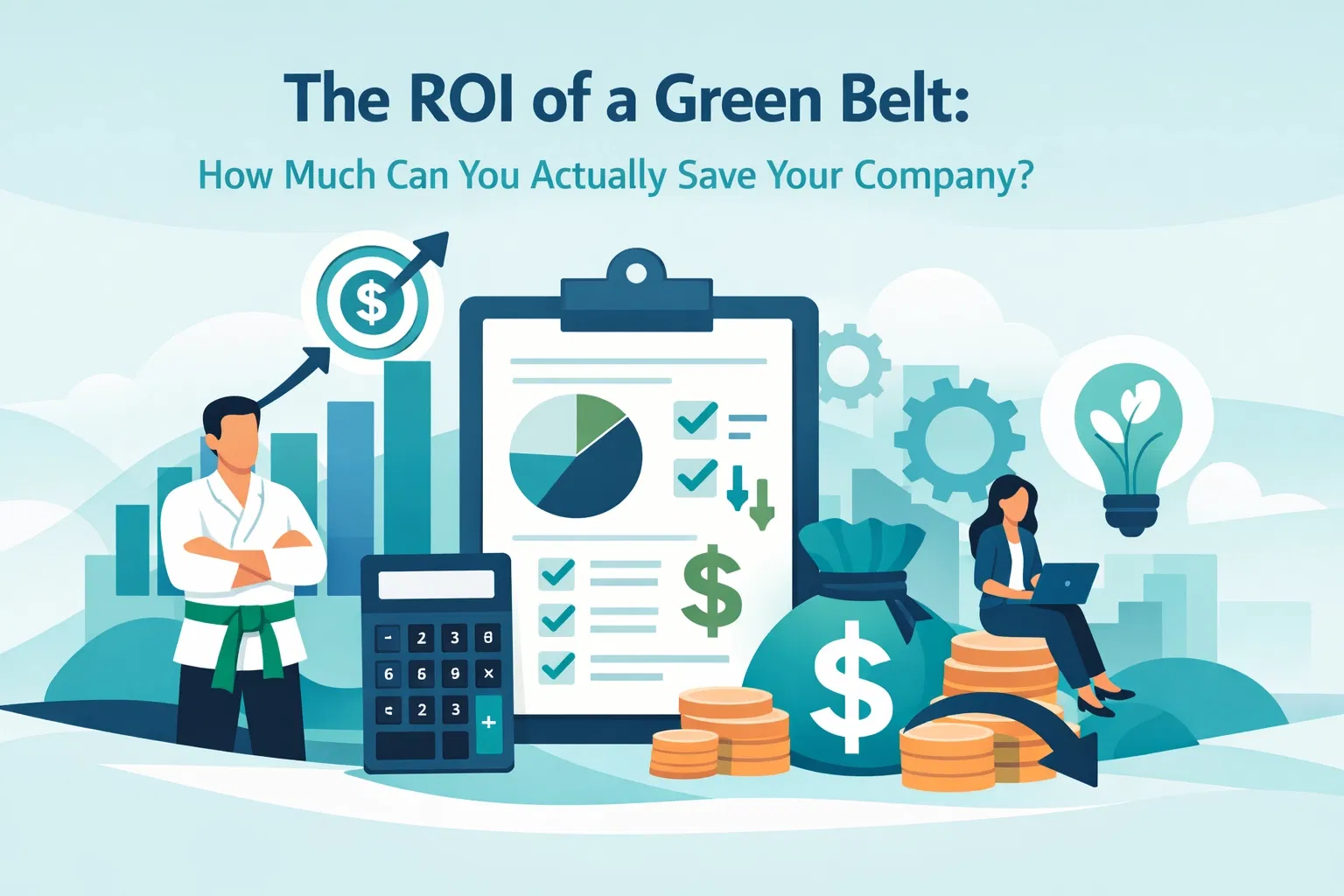
A common misconception is that sustainability initiatives are a cost center. On the contrary, GLSS projects typically yield significant financial returns. By reducing resource consumption, companies directly lower their utility bills and raw material costs. Furthermore, many jurisdictions now impose carbon taxes or offer credits for sustainable practices, making GLSS a strategic financial tool.
Using a Project Charter ROI Calculator, organizations can forecast the financial benefits of environmental improvements. For example, a typical GLSS project in a manufacturing setting might achieve:
- Energy Savings: $40,000 – $100,000 annually.
- Waste Disposal Reduction: $15,000 – $30,000 annually.
- Process Efficiency Gains: $50,000+ through reduced cycle times.
Implementing GLSS in Non-Manufacturing Sectors
While GLSS has its roots in manufacturing, its application in service and healthcare sectors is growing rapidly. In a healthcare setting, GLSS can be used to reduce medical waste or optimize the energy consumption of large diagnostic equipment. In the IT sector, it might involve optimizing server cooling systems or reducing the energy requirements of large-scale data processing.
Regardless of the industry, the methodology remains the same: identify the waste, measure its impact, find the root cause, and implement a sustainable control mechanism.

The Path Forward: Professional Certification
As organizations globally commit to net-zero targets, the demand for professionals who understand both process excellence and environmental sustainability is skyrocketing. Lean 6 Sigma Hub provides the comprehensive training necessary to lead these initiatives. Whether you are beginning your journey with a White Belt to understand the fundamentals or seeking to lead organizational change as a Master Black Belt, our CSSC-accredited programs are designed for the modern professional.
Green Lean Six Sigma is not merely a trend; it is the evolution of the methodology for a world that demands both high performance and high responsibility. By integrating these practices today, you position yourself and your organization at the forefront of the sustainable industrial revolution.
Enroll in a Lean Six Sigma Certification course today to master the tools of the future and drive sustainable excellence in your organization.