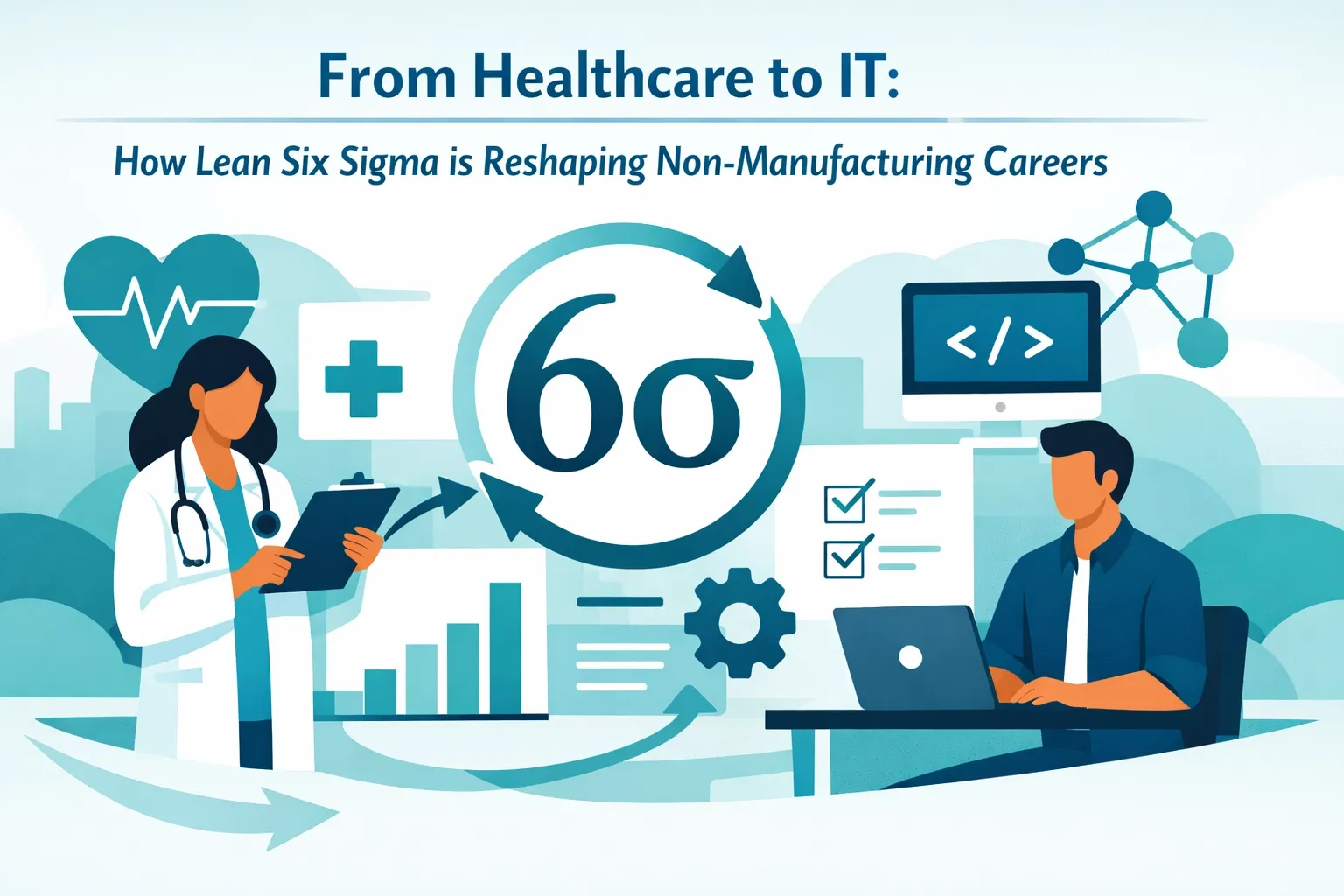
For decades, the mention of Lean Six Sigma (LSS) conjured images of sprawling automotive assembly lines and heavy machinery. Rooted in the Toyota Production System and refined by Motorola and GE, the methodology was long considered the exclusive domain of the manufacturing sector. However, as we navigate the professional landscape of 2026, a fundamental shift has occurred. The principles of waste elimination and variance reduction have transcended the factory floor, becoming the cornerstone of operational excellence in the service, healthcare, and technology industries.
In the realm of modern business, the "product" is often invisible: a patient’s recovery, a lines of code, or a financial transaction. Yet, these intangible outputs are subject to the same inefficiencies and defects as any physical item. To fully appreciate the impact of Lean Six Sigma on non-manufacturing careers, one must recognize that any repeatable process is a candidate for optimization. Today, Lean Six Sigma is not merely a tool for engineers; it is a vital framework for leaders in healthcare, IT, and finance who seek to drive value in an increasingly complex global economy.
The Clinical Precision of Lean Six Sigma in Healthcare
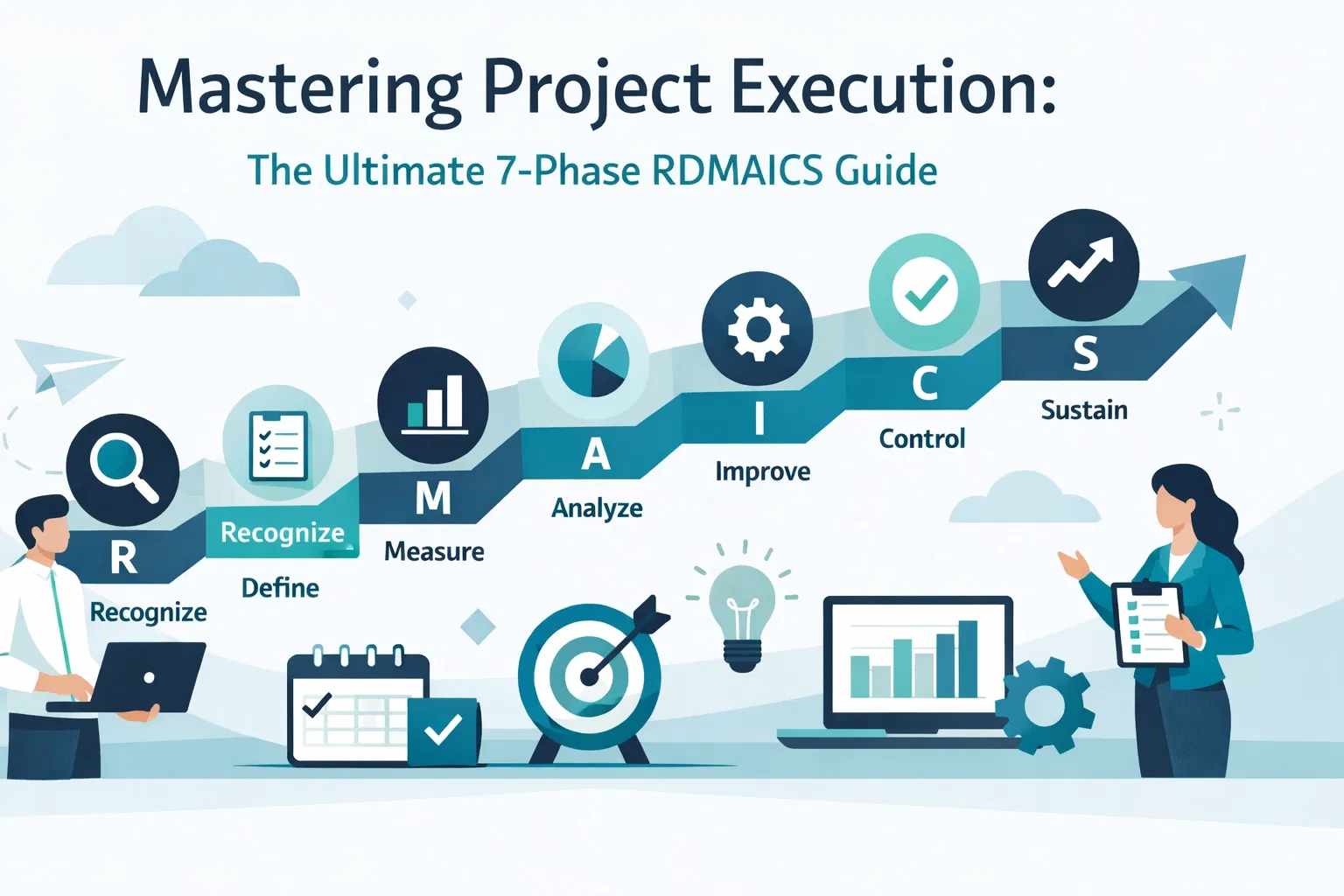
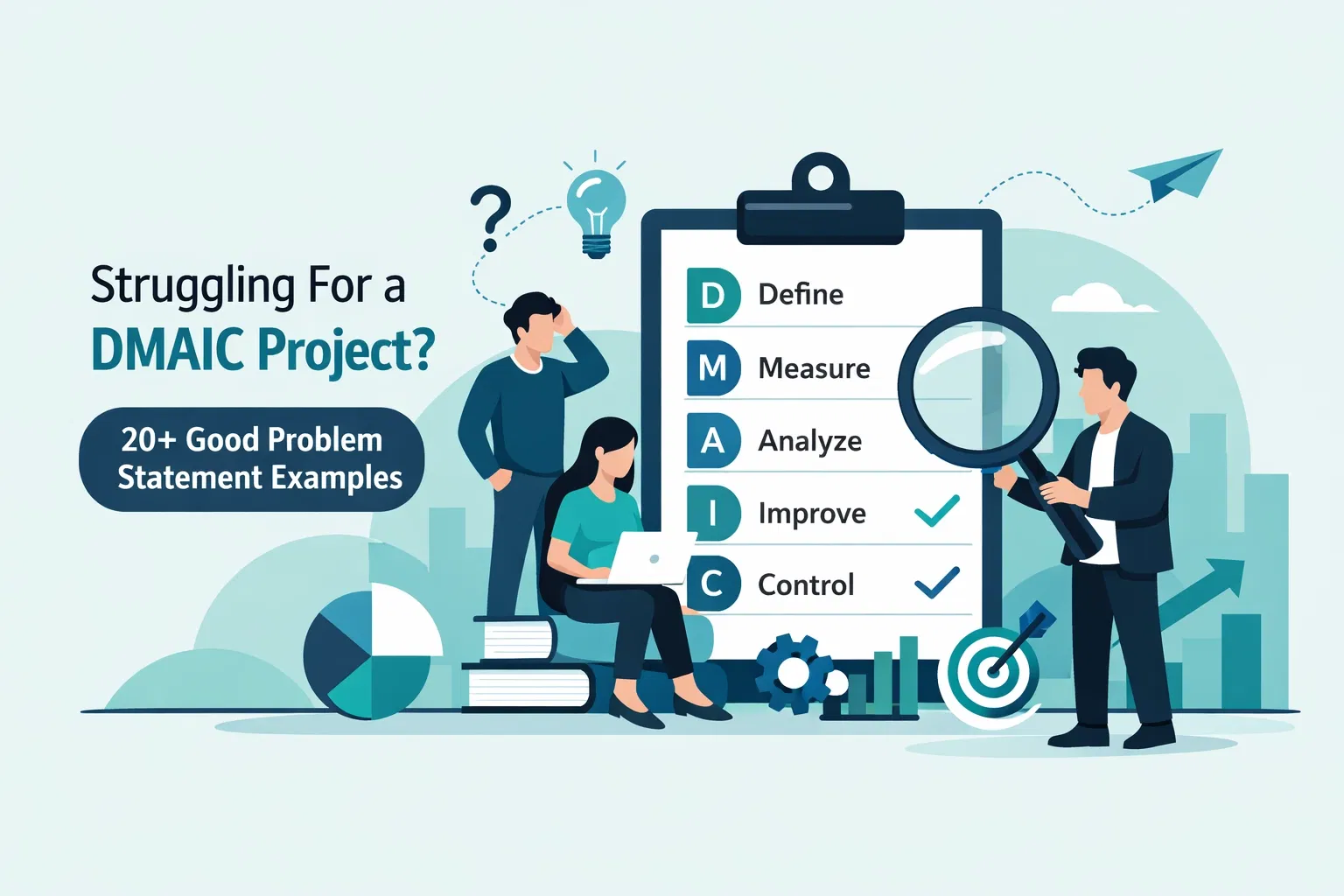
The fundamental purpose of applying Lean Six Sigma in healthcare is the pursuit of "Zero Harm" and the optimization of patient flow. In an industry where process variance can literally be a matter of life and death, the DMAIC (Define, Measure, Analyze, Improve, Control) framework provides a rigorous protocol for clinical and administrative improvement.
One of the most critical applications is the management of patient flow. Hospitals often struggle with "boarding" in the Emergency Department (ED), where patients wait hours for an inpatient bed. By utilizing SIPOC complexity score calculators to map the journey from admission to discharge, healthcare administrators can identify bottlenecks. For instance, a Lean-led project might reveal that the primary delay in patient discharge is not physician availability, but rather the turnaround time for room sanitization or the transport of late-morning medications.
By implementing "Pull" systems and standardizing discharge protocols, healthcare organizations have successfully reduced ED wait times by as much as 40%. Furthermore, Six Sigma’s focus on variance reduction is instrumental in decreasing hospital-acquired infections (HAIs) and medication errors. Professionals who hold a Lean Six Sigma Green Belt in the healthcare sector are now commanding significant roles, transitioning from frontline clinical work to high-level Quality Improvement (QI) directorships.

Visual Suggestion: A minimalistic flat art illustration showing a healthcare professional analyzing a digital flow chart, using teal and blue tones.
Engineering Efficiency in Information Technology
In the Information Technology (IT) sector, the integration of Lean Six Sigma has birthed a new era of "Lean IT." As software development life cycles (SDLC) become faster through Agile and DevOps, LSS provides the necessary statistical rigor to ensure that speed does not come at the expense of quality.
Within software development, "waste" manifests as over-engineering, redundant code, or excessive testing cycles. By applying Lean principles, IT managers can streamline the development pipeline, ensuring that every feature developed aligns directly with the Voice of the Customer (VOC). This ensures that resources are allocated only to high-value requirements, significantly reducing the "Technical Debt" that plagues many legacy systems.
Moreover, in the realm of IT service management (ITSM) and help desk efficiency, Six Sigma metrics such as First Contact Resolution (FCR) and Mean Time to Resolution (MTTR) are analyzed to identify root causes of recurring system failures. Professionals are increasingly utilizing dashboard design for process control to monitor server uptime and response latencies in real-time. As we progress through 2026, the intersection of AI and human analysis is further enhancing the ability of IT Black Belts to predict system outages before they occur, shifting the industry from a reactive to a proactive stance.
Financial Services: Accuracy and Transactional Speed
The financial sector is perhaps the most data-rich environment outside of laboratory science, making it a natural fit for Six Sigma’s statistical prowess. In finance, defects are not broken parts, but data entry errors, late filings, or inaccurate risk assessments.
Consider the process of mortgage or loan approval. Traditionally, this process involved multiple hand-offs, manual verification, and significant "wait time" waste. By employing Lean Six Sigma, financial institutions have redesigned these value streams to eliminate non-value-added steps. Through the use of a Critical to Quality (CTQ) tree, banks can translate vague customer desires for "fast service" into specific, measurable metrics, such as "Loan approval notification within 24 hours of document submission."
The results are often staggering. Institutions that embrace LSS have reported reducing loan processing cycles from weeks to days, while simultaneously improving compliance and reducing the "Cost of Poor Quality" associated with regulatory fines.

Career Growth and Salary Trends in 2026
The demand for Lean Six Sigma expertise in non-manufacturing sectors has led to a dramatic surge in compensation and career opportunities. No longer confined to the role of "Quality Manager," LSS practitioners are now finding themselves in roles such as Chief Transformation Officer, VP of Operational Excellence, and Senior Strategy Consultant.
According to recent 2026 industry data, the financial ROI of obtaining a certification is substantial:
- Yellow Belts: Typically serve as subject matter experts on project teams, seeing an average salary range of $70,000 to $95,000. They provide the foundational support necessary for culture change.
- Green Belts: These individuals lead departmental projects and are highly sought after in healthcare and IT. Average salaries range from $97,000 to $135,000, with the potential to lead projects yielding $50,000–$100,000 in annual savings.
- Black Belts: As full-time change agents, Black Belts in the service sector manage enterprise-wide transformations. Their compensation reflects this responsibility, often ranging from $120,000 to $182,000.
- Master Black Belts: At the executive level, these professionals shape organizational strategy and mentor other belts. Earning potential frequently exceeds $200,000, particularly in high-stakes environments like fintech and specialized healthcare systems.
For those looking to enter this lucrative field, starting with foundational materials such as Six Sigma flash cards or a free White Belt course is the recommended first step toward a significant career pivot.
Strategic Implementation: Beyond the Theory
To successfully transition into a Lean Six Sigma role within a non-manufacturing sector, one must move beyond theoretical knowledge and master the practical tools of the trade. This involves:
- Project Selection: Using a Project Selection Scoring Calculator to ensure that improvement efforts are aligned with the organization's strategic goals.
- Stakeholder Management: Conducting a Stakeholder Impact Assessment to navigate the cultural resistance often found in healthcare and office environments.
- Financial Validation: Utilizing a Project Charter ROI Calculator to demonstrate the hard-dollar impact of "soft" process improvements.
- Rigorous Planning: Developing an Implementation Timeline to manage the expectations of executive leadership.
The versatility of the LSS toolkit allows it to be adapted to any environment. Whether you are optimizing a help desk's ticketing system or reducing the wait times for oncology treatments, the core objective remains the same: the relentless pursuit of excellence through data-driven decision-making.

Visual Suggestion: A professional infographic showing a "pathway" from White Belt to Master Black Belt, with corresponding icons for Healthcare, IT, and Finance.
Conclusion: The New Standard for Professional Excellence
The evolution of Lean Six Sigma from the factory to the boardroom represents a fundamental change in how we define professional competency. In 2026, being "good at your job" is no longer sufficient; professionals must possess the methodology to systematically improve the systems in which they work. Whether you are an IT specialist seeking to eliminate software bugs, a healthcare provider aiming to improve patient outcomes, or a finance professional looking to slash transactional waste, Lean Six Sigma provides the roadmap to your success.
The opportunity to lead, innovate, and command a premium salary has never been more accessible. Organizations are actively seeking those who can bridge the gap between technical expertise and operational efficiency.
Visit Lean 6 Sigma Hub today to explore our CSSC-accredited certification programs and take the definitive step toward reshaping your career in Healthcare, IT, or Finance.