
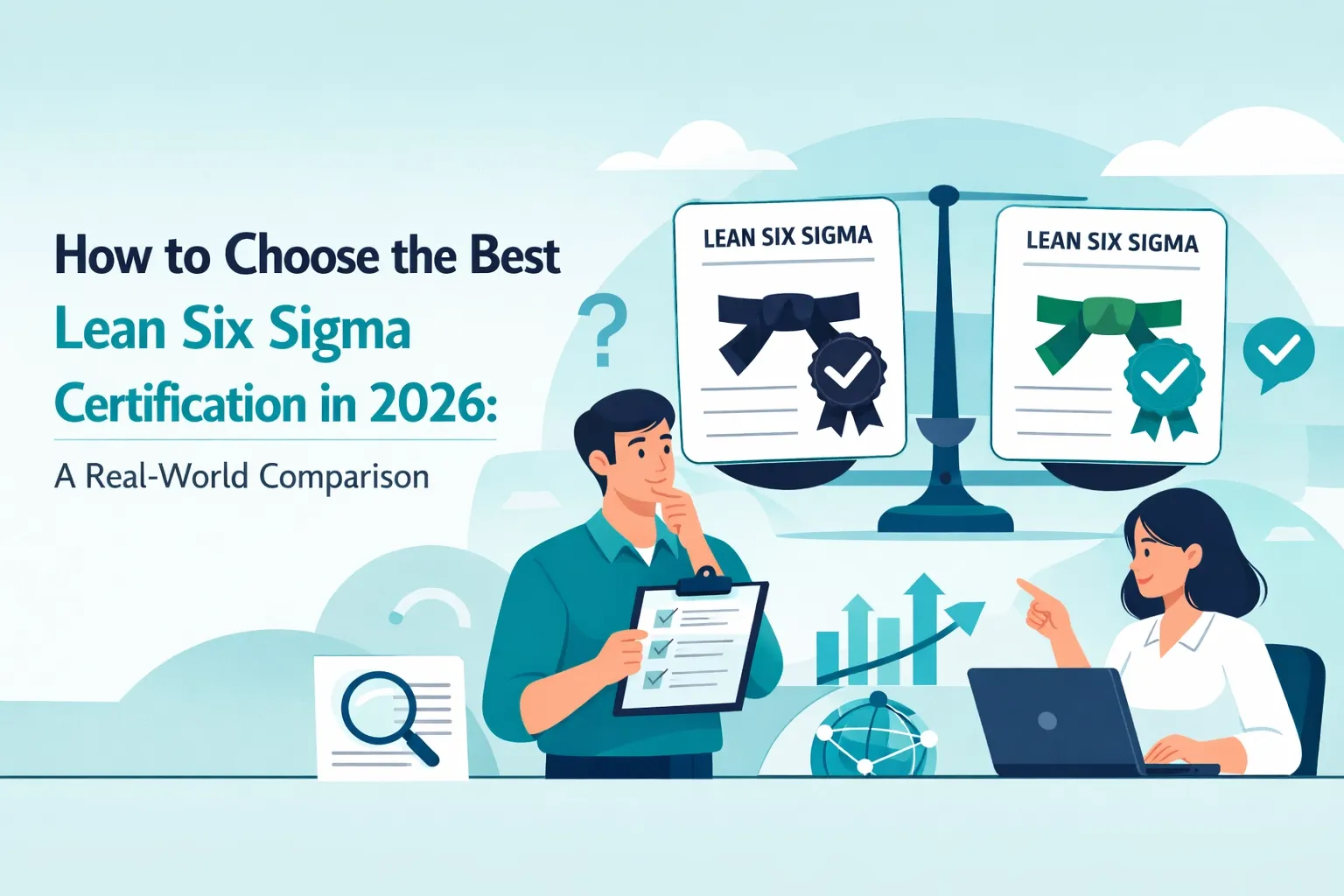
Let’s be honest: choosing a Lean Six Sigma (LSS) certification in 2026 feels a bit like trying to pick a movie on a streaming service, there are way too many options, and if you pick the wrong one, you’ve wasted two hours (or in this case, months of your life and a chunk of your paycheck).
Whether you’re a project manager looking to level up or a recent grad trying to stand out in an AI-driven job market, getting certified is still one of the smartest career moves you can make. But the landscape has changed. In 2026, it’s not just about having a badge on your LinkedIn profile; it’s about whether you actually know how to fix a broken process when the pressure is on.
In this guide, we’re going to break down the "Big Three" of accreditation, compare the old-school classroom vs. the modern self-paced approach, and show you exactly why Lean 6 Sigma Hub is the gold standard for professionals who actually want to get things done.
The State of Play in 2026: Why Certification Still Matters
You might be wondering, "Does Six Sigma training really matter in 2026?" with all the talk about AI and automation. The short answer? Yes, more than ever.
While AI can crunch numbers at lightning speed, it can't lead a team through a complex cultural shift or understand the "human" friction in a manufacturing plant. We’ve actually written a deep dive on AI vs. Human Analysis that explains why the human element of Lean Six Sigma is irreplaceable. Organizations are desperate for people who can combine data-driven logic with real-world problem-solving.
Classroom vs. Self-Paced: Which One Wins?
The first decision you’ll face is how you want to learn. Back in the day, you had to sit in a hotel conference room for a week eating stale muffins to get your Green Belt. Today, you have options.
The Classroom Experience
Classroom training is great for people who need that extra "push" to stay focused. You get real-time interaction and networking opportunities. However, it’s often the most expensive route. You’re paying for the instructor’s travel, the venue, and the muffins.
- Pros: Immediate feedback, structured schedule, networking.
- Cons: Expensive, requires time off work, rigid pace.
The Self-Paced Revolution
This is where the world has moved in 2026. Modern online platforms offer high-definition video, interactive simulations, and 24/7 access. For a busy professional, being able to study at 10 PM on a Tuesday is a game-changer.
- Pros: Affordable, flexible, revisit complex topics (like left-skewed histograms) as many times as you need.
- Cons: Requires self-discipline.
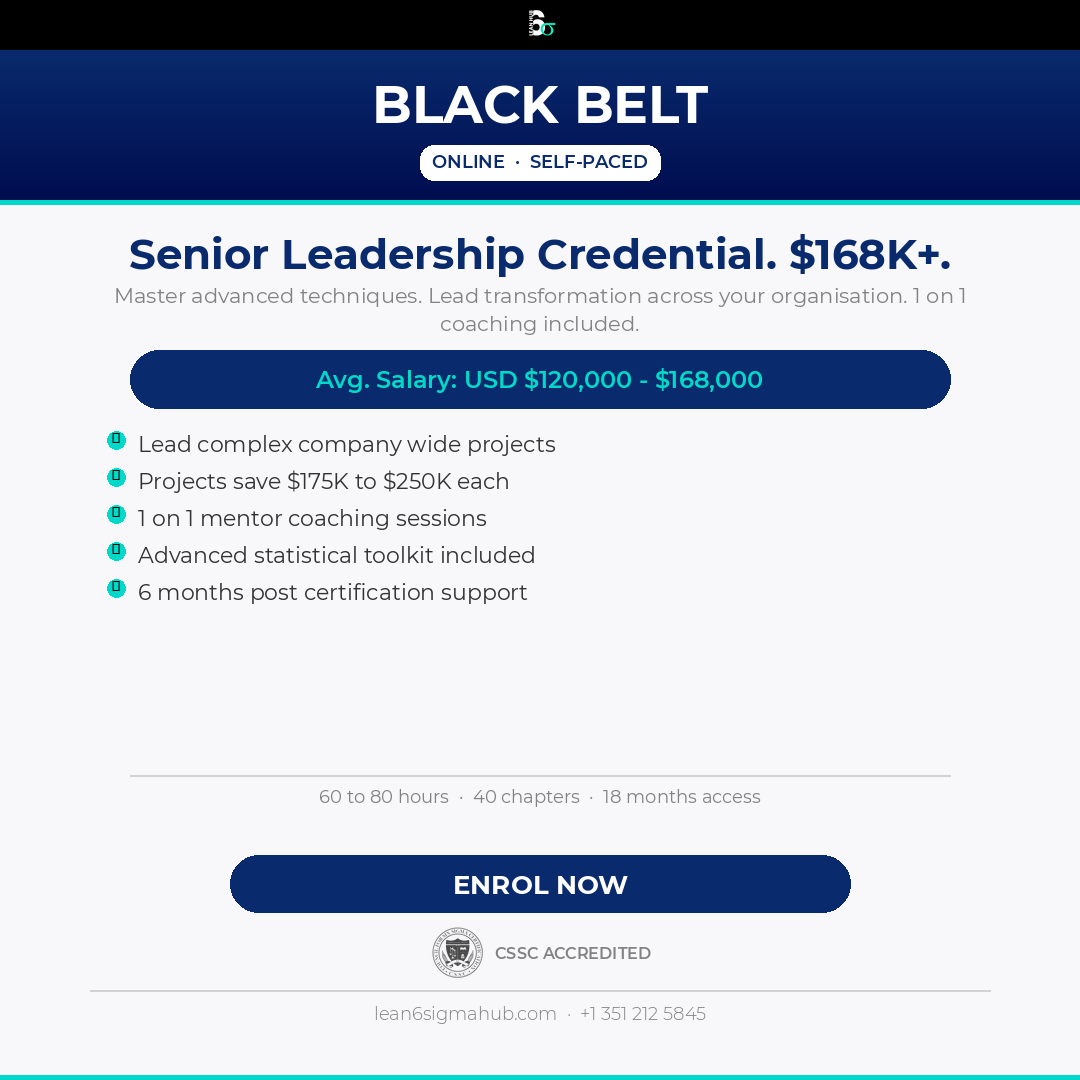
At Lean 6 Sigma Hub, we’ve perfected the self-paced model. We don't just give you a login and wish you luck. Our courses, like the Lean Six Sigma Black Belt Online Training, include 1-on-1 coaching to bridge the gap between "online learning" and "real-world doing."
Decoding the Accreditation Jungle: CSSC, ASQ, and IASSC
If you search for "Six Sigma Certification," you’ll see a bunch of acronyms. Here is the real-world breakdown of what they mean for you in 2026.
- ASQ (American Society for Quality): The "Old Guard." They are highly respected but very traditional. Their exams are grueling, often closed-book, and they have strict project requirements. If you enjoy jumping through academic hoops, this is for you.
- IASSC (International Association for Six Sigma Certification): These guys are all about the exam. They provide a "pure" Six Sigma validation. It’s great for proving you know the theory, but it doesn't always focus on the Lean "speed" side of the house.
- CSSC (The Council for Six Sigma Certification): This is the modern standard we align with at Lean 6 Sigma Hub. Why? Because CSSC focuses on both Six Sigma (quality) and Lean (speed). Their certifications are globally recognized, and more importantly, they offer an open-book exam approach that mirrors the real world. In 2026, nobody expects you to memorize a formula: they expect you to know where to find the formula and how to use it.
Lean 6 Sigma Hub is proud to be a CSSC-accredited provider. This means your certification carries weight across the globe, from Sydney to New York.
Choosing Your Belt: What’s the ROI?
Not all belts are created equal. Let’s look at the 2026 career trajectory and the typical salaries you can expect.
- White Belt: The "curiosity" level. It’s a great way to understand the lingo. We actually offer a Free White Belt Certification to get you started.
- Yellow Belt: Foundational. You’ll understand the DMAIC process and support larger projects.
- Average Salary: ~$65,000 – $80,000.
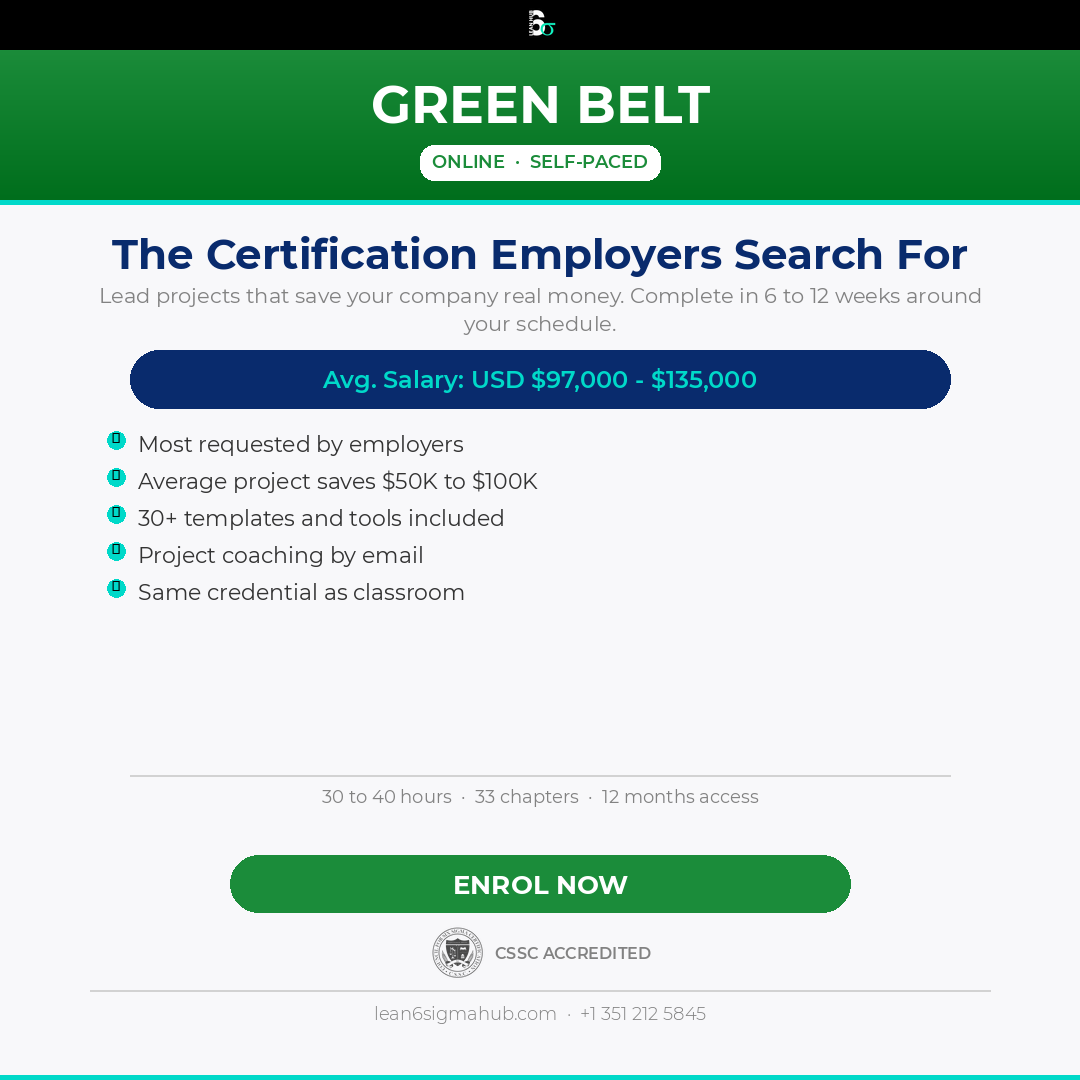
- Green Belt: The "Workhorse." This is where the magic happens. You’ll lead smaller projects and save your company serious cash (typically $50k-$100k per project).
- Average Salary: ~$97,000 – $135,000.
- Black Belt: The "Leader." You manage complex, cross-functional projects and mentor Green Belts.
- Average Salary: ~$120,000 – $168,000.
- Master Black Belt: The "Strategist." You’re shaping the entire company’s direction.
- Average Salary: $200,000+.
The Secret Sauce: Practical Application vs. Theory
Here is a truth most training companies won't tell you: An exam doesn't make you an expert.
In 2026, employers are tired of "Paper Belts": people who pass a test but can't run a Root Cause Analysis to save their lives. When choosing a certification, look for a provider that gives you the tools to actually do the work.
At Lean 6 Sigma Hub, we provide our students with a massive toolkit, including:
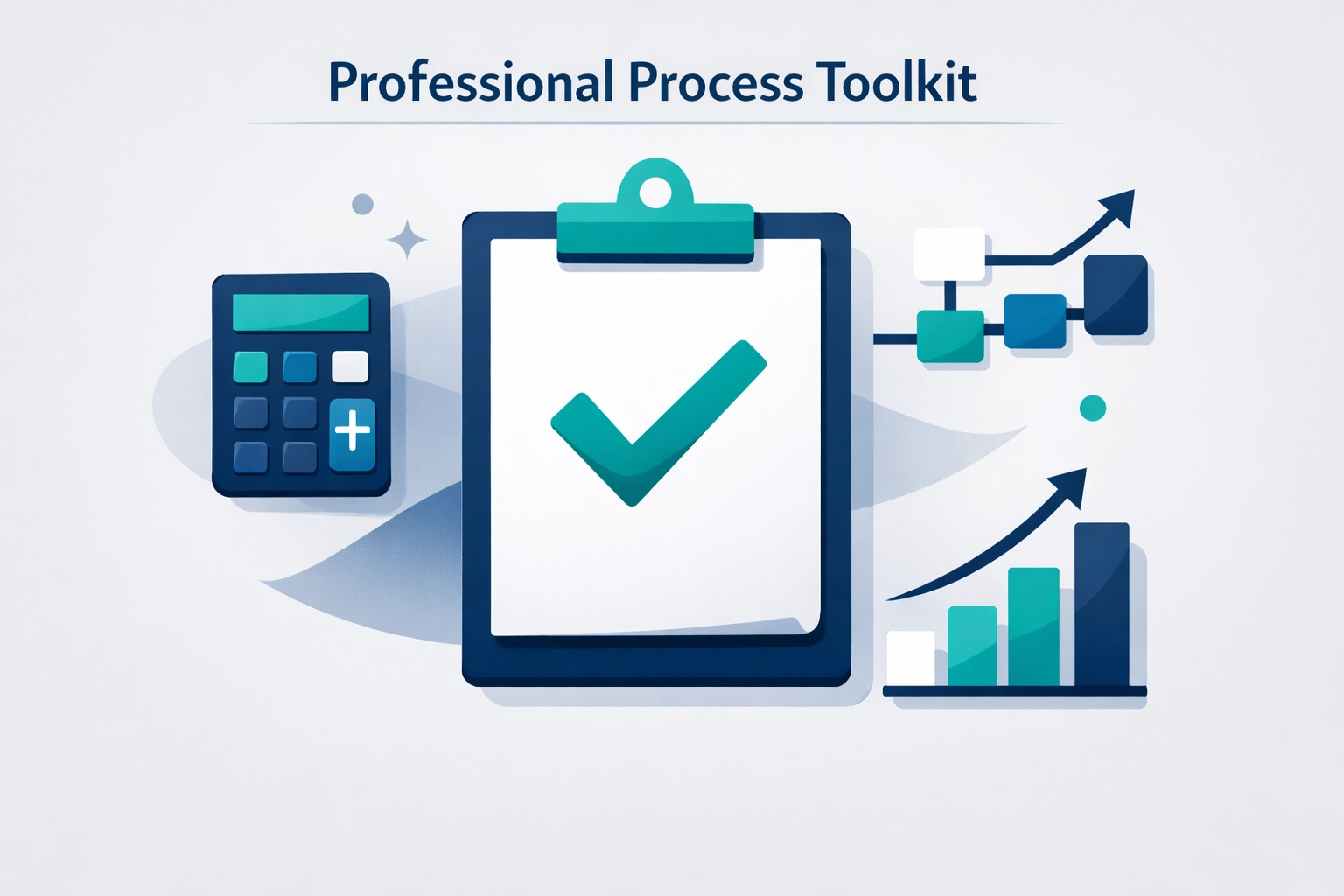
If your training doesn't show you how to use a Project Selection Scoring Calculator to decide which problem to solve first, you’re just learning theory. You need practical skills that you can implement on Monday morning.
Why Lean 6 Sigma Hub is the Top Choice for 2026
We know we’re biased, but we’ve built Lean 6 Sigma Hub to be exactly what we wished we had when we were starting our careers. Here is why professionals choose us:
- The "No-Renewal" Promise: Unlike some providers who make you pay every three years to keep your "status," our CSSC-accredited certifications never expire. Once you’ve earned it, you own it.
- Real-World Materials: We don't use boring, academic slides. Our PowerPoint materials and Flash Cards are designed for practical learning.
- Coaching from the Pros: If you get stuck on a Hypothetical Project, you can reach out to our team. We’ve been in the trenches, and we’re here to help you navigate yours.
- ROI Focus: We help you calculate your value. Use our Project Charter ROI Calculator to show your boss exactly how much money your training is going to save the company.
Final Thoughts: Stop Overthinking and Start Improving
The "perfect" time to get certified doesn't exist. There will always be another project, another meeting, or another reason to wait. But in a competitive world, the best way to secure your future is to become a problem solver.
Whether you want to start small with a Yellow Belt or go all the way to the top with our Master Black Belt program, the most important step is the first one.
Ready to transform your career? Browse our full range of accredited online courses and start your journey toward becoming a Lean Six Sigma expert today.